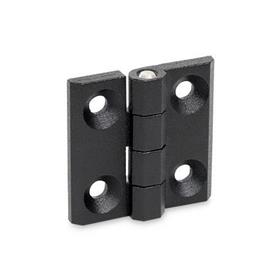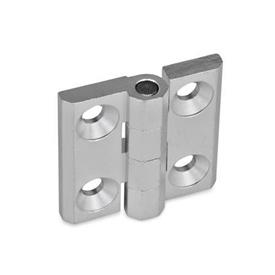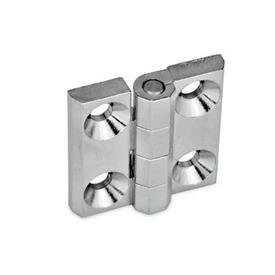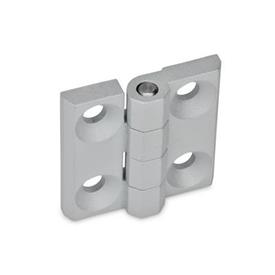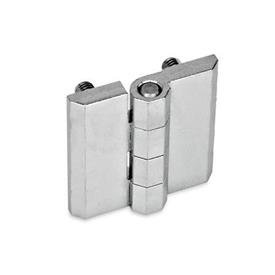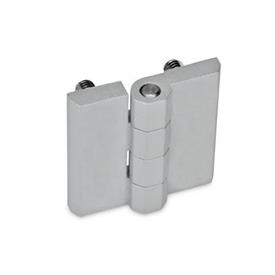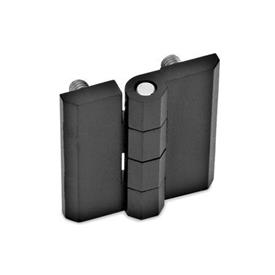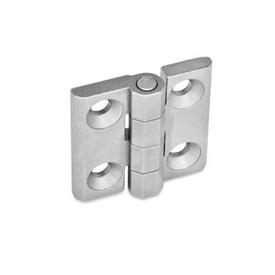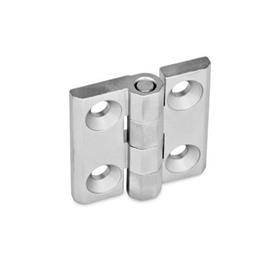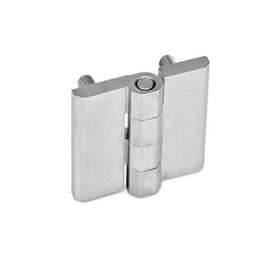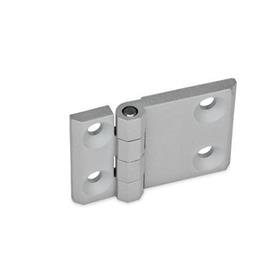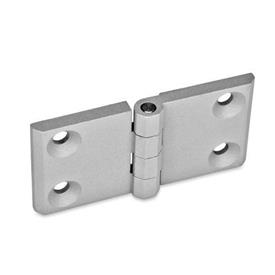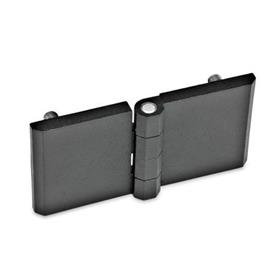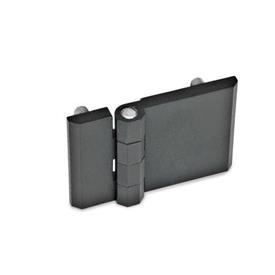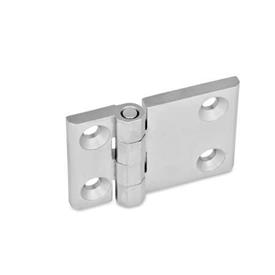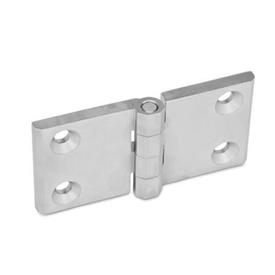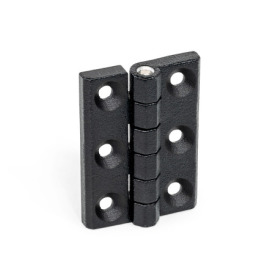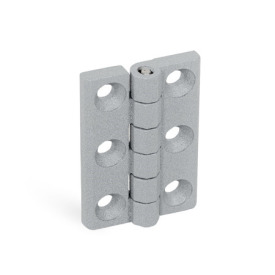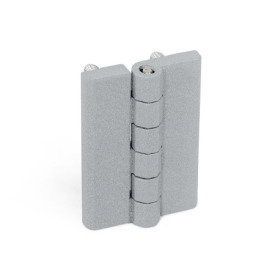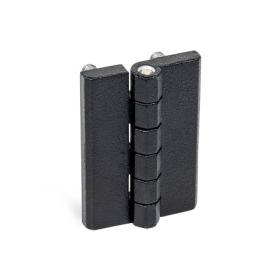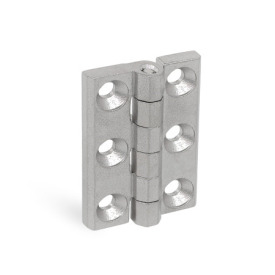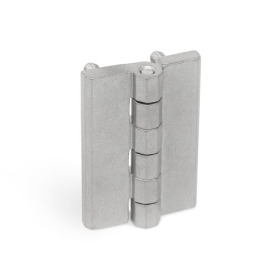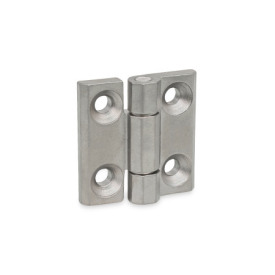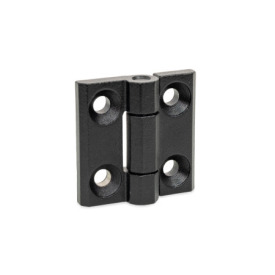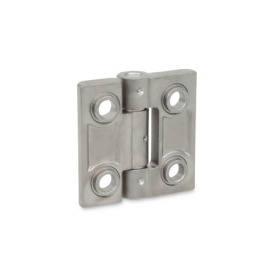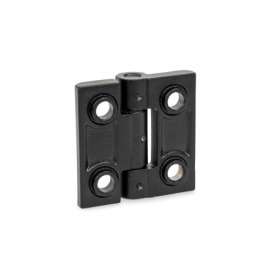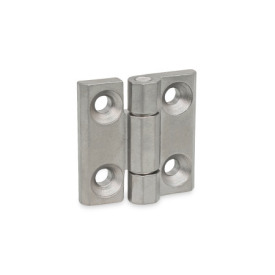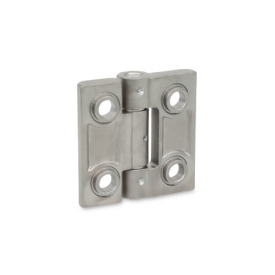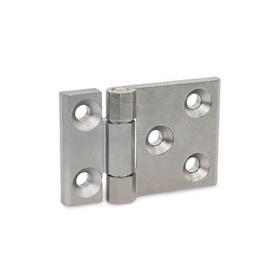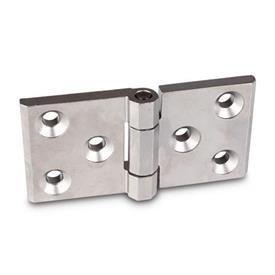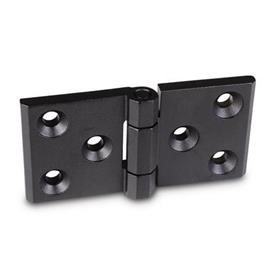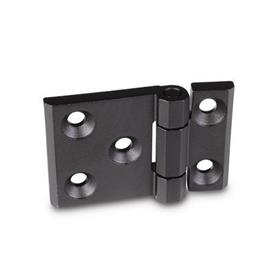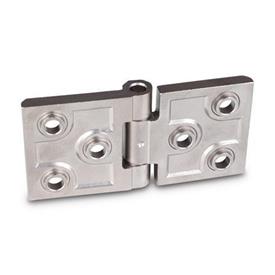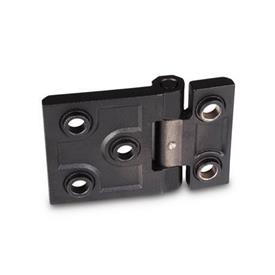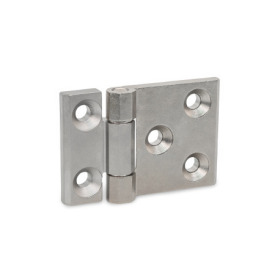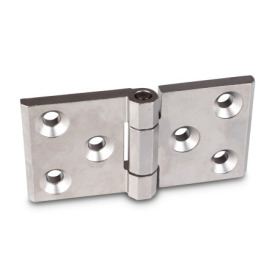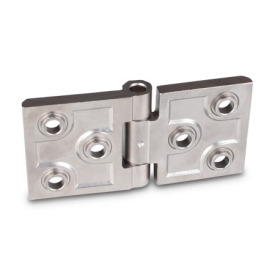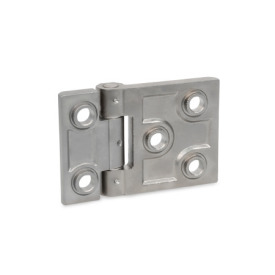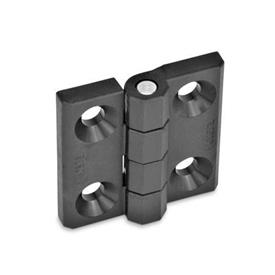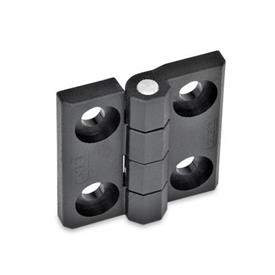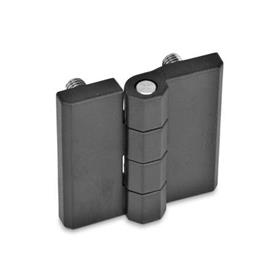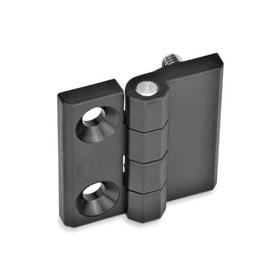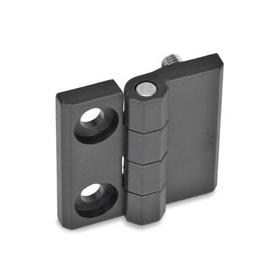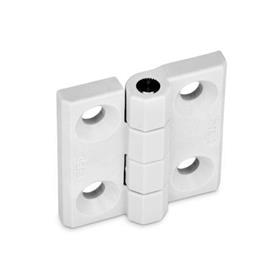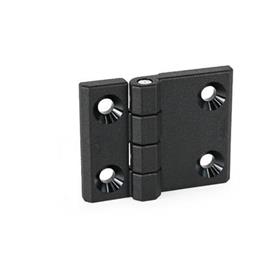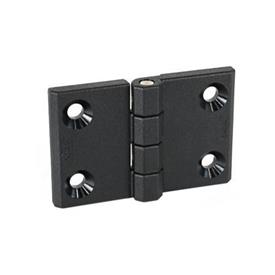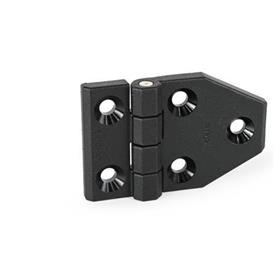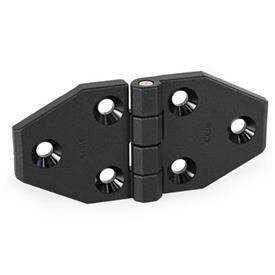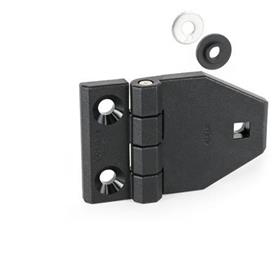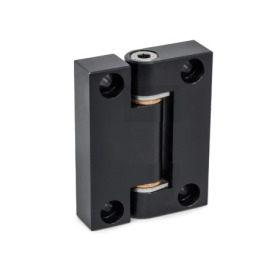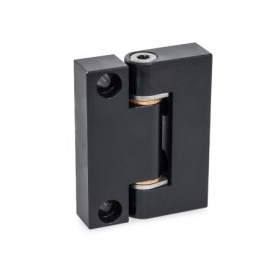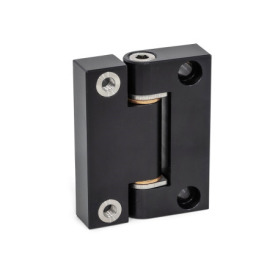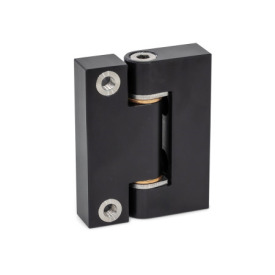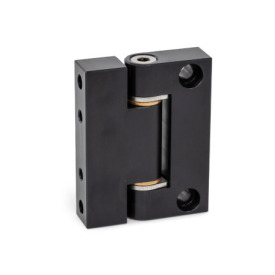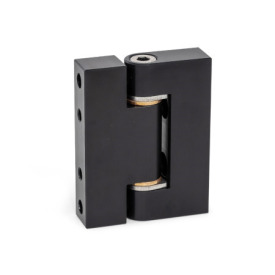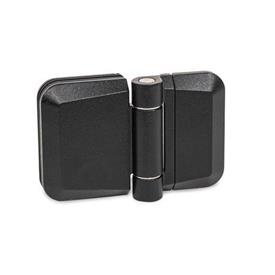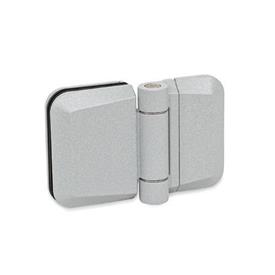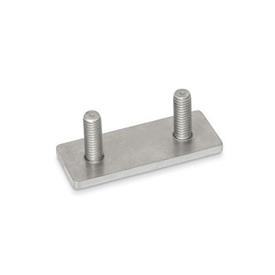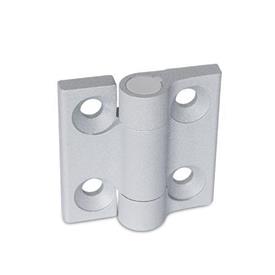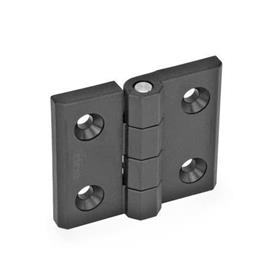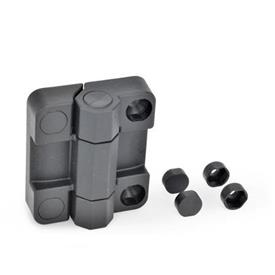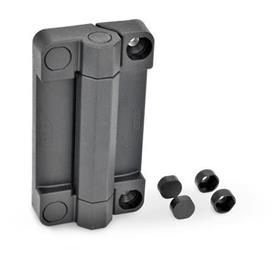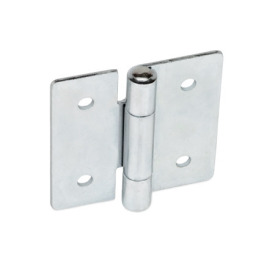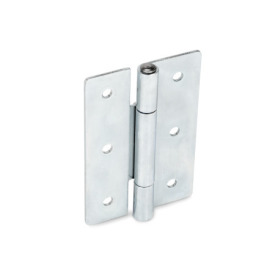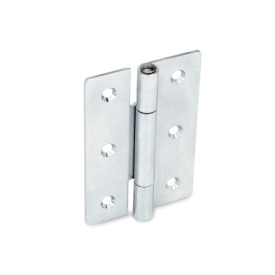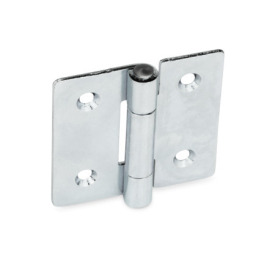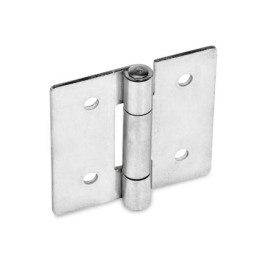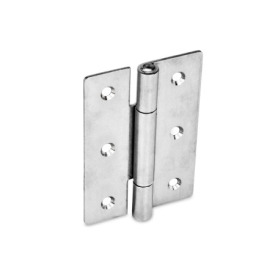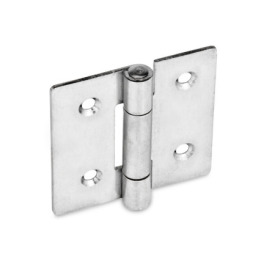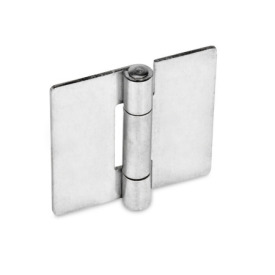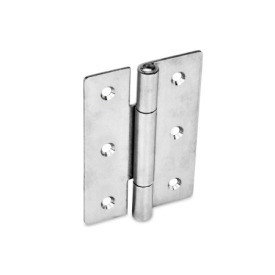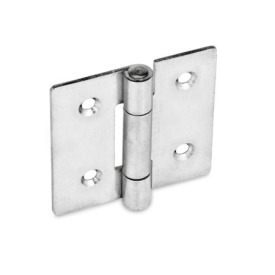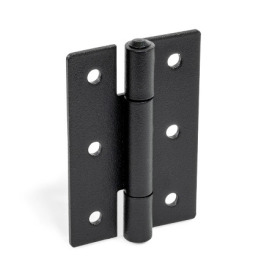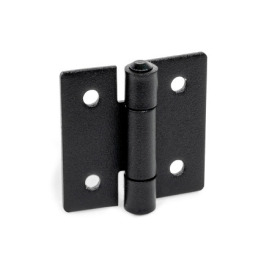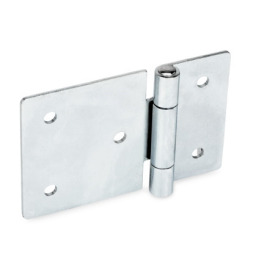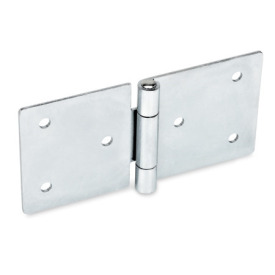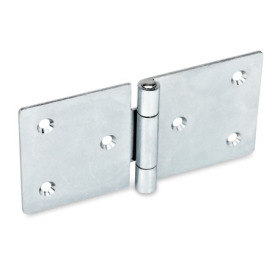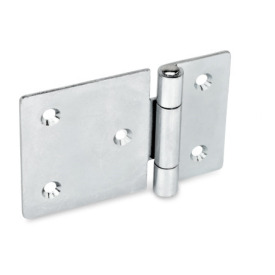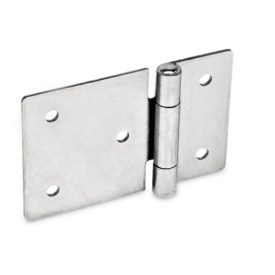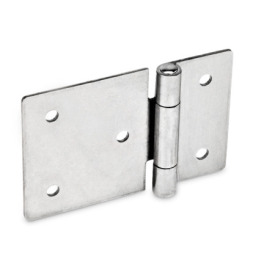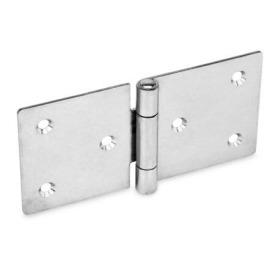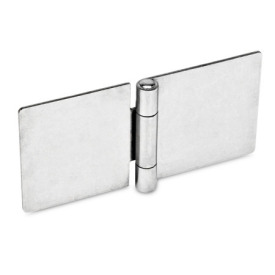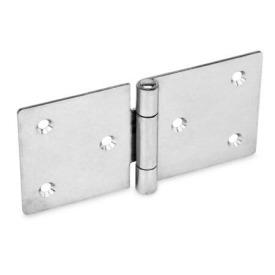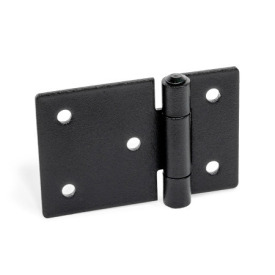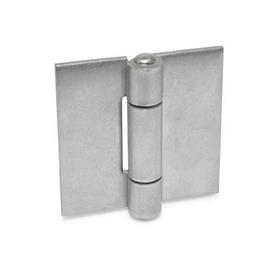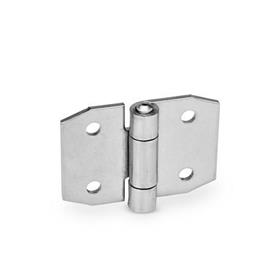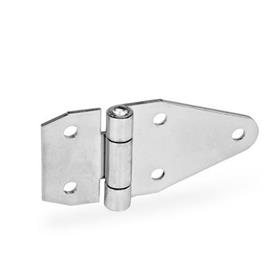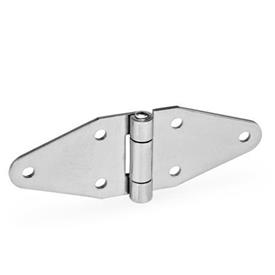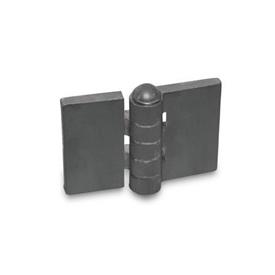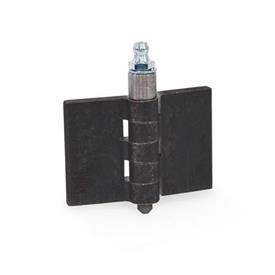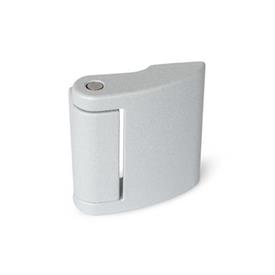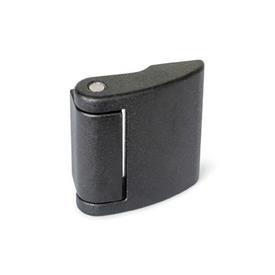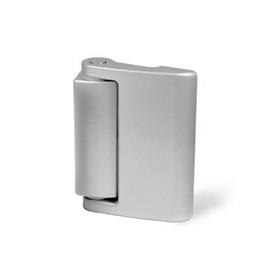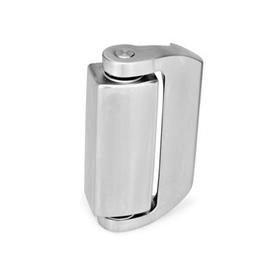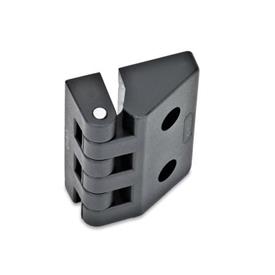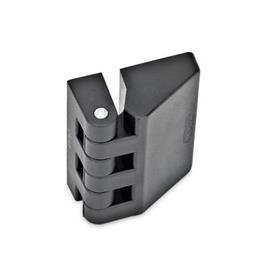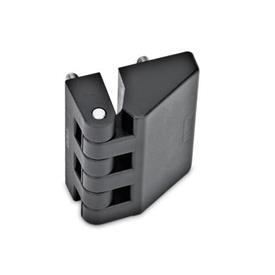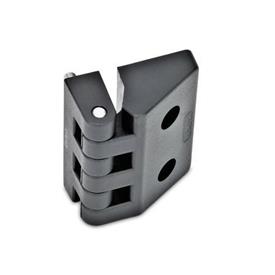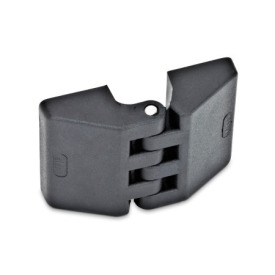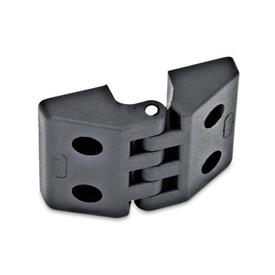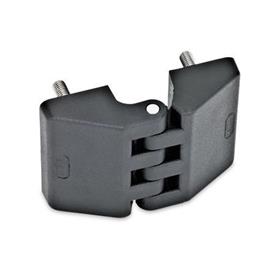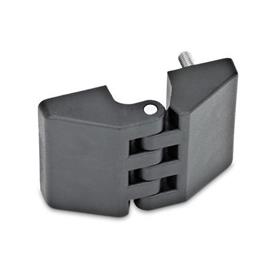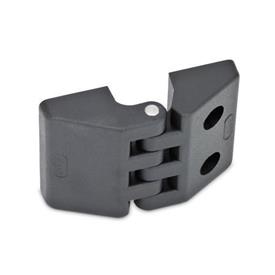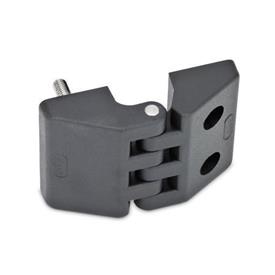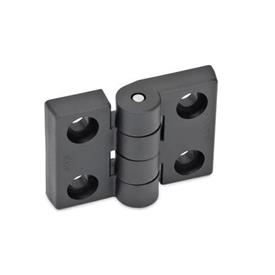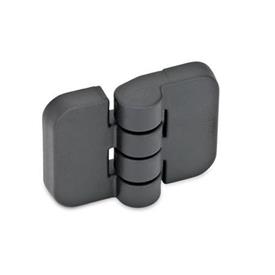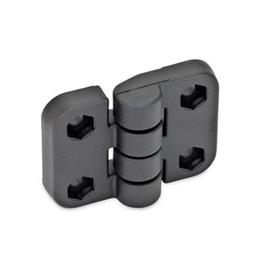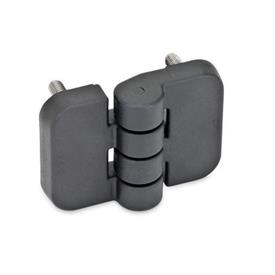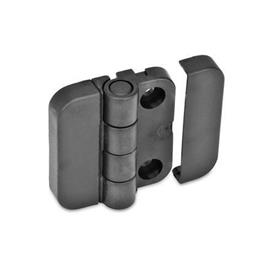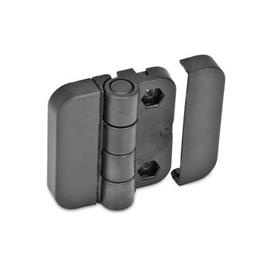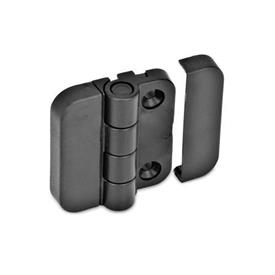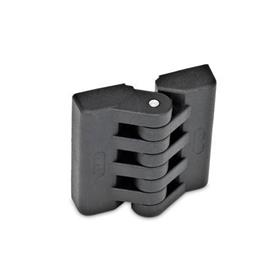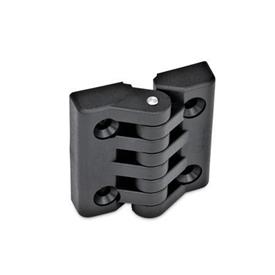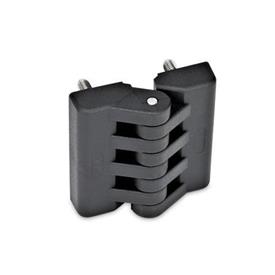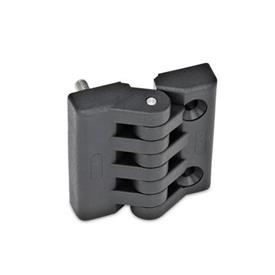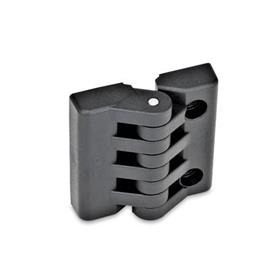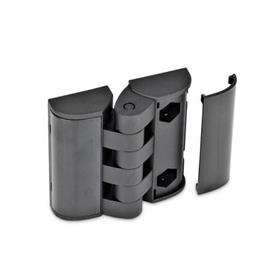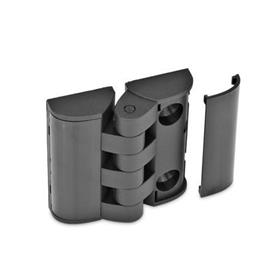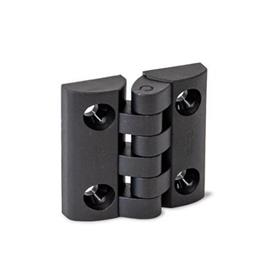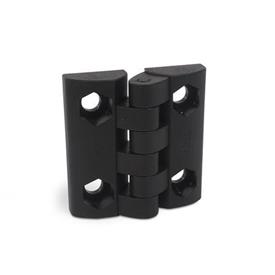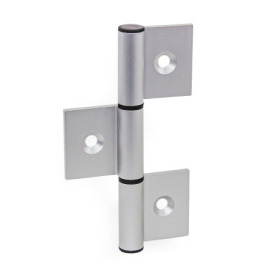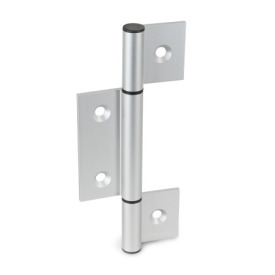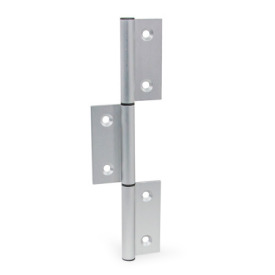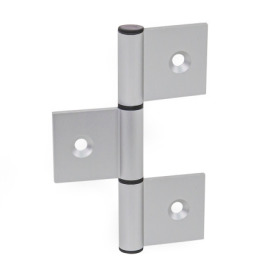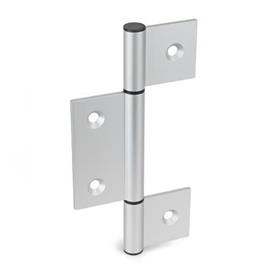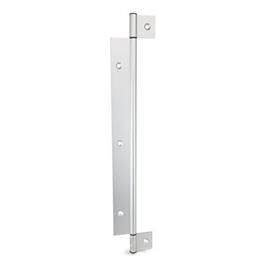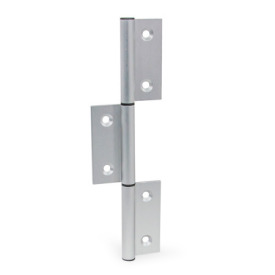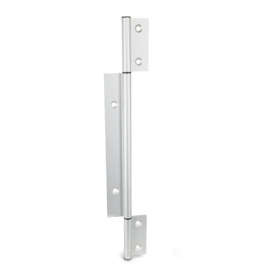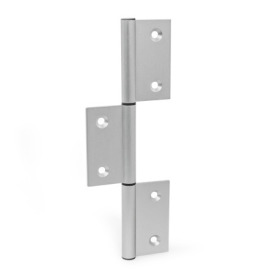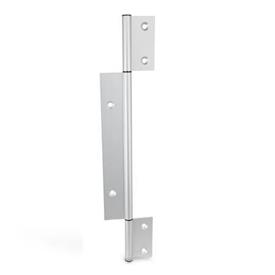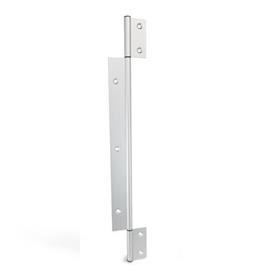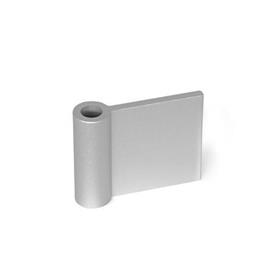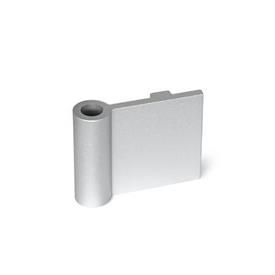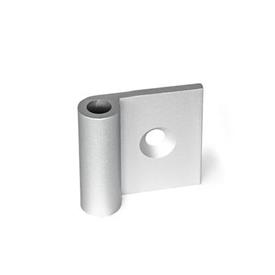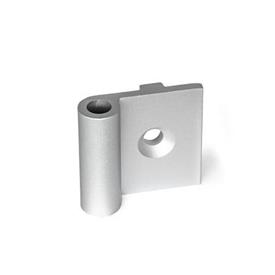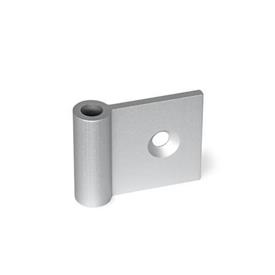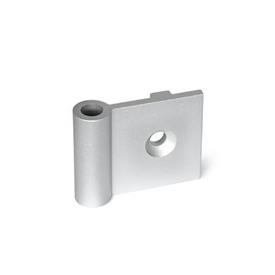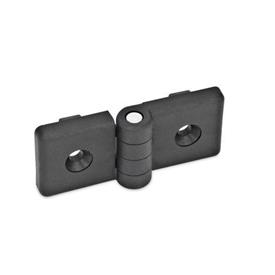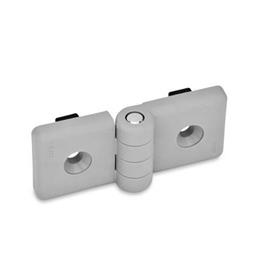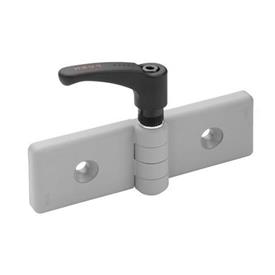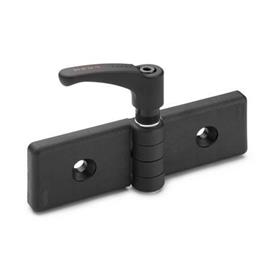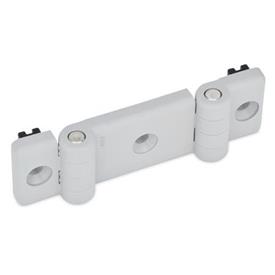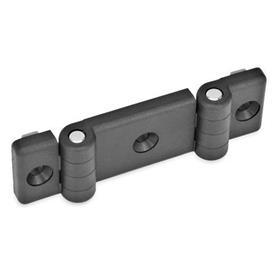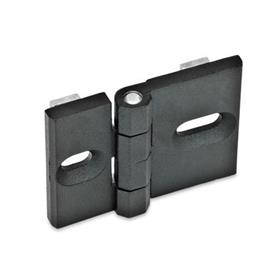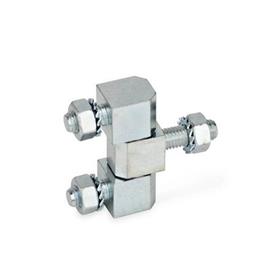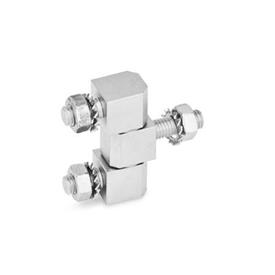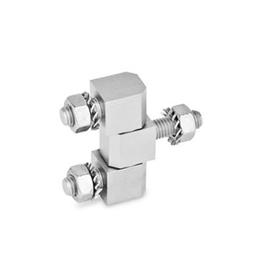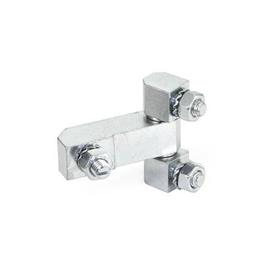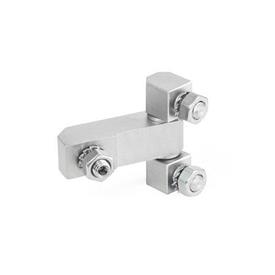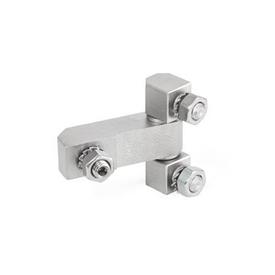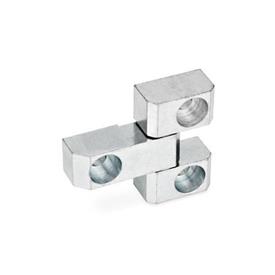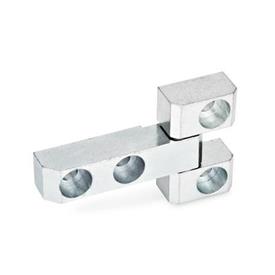
Avaa ja sulje ovet ja suojukset luotettavasti saranoilla

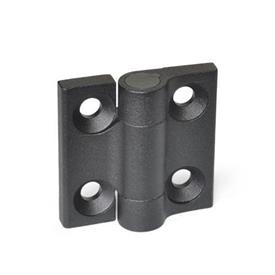
Saranoita käytetään tyypillisesti ovien ja suojusten asentamiseen siten, että ne voidaan kääntää auki tai kiinni. Näitä standardiosia käytetään laajasti konerakennuksessa. Eri mallien laajan valikoiman ansiosta mahdollisia käyttötarkoituksia on käytännössä rajattomasti.

Saranat kaikkiin käyttötarkoituksiin

Toiminnalliset saranat

Ganterilla on laaja valikoima saranoita, joilla on erilaisia toimintoja. Standardiosina nämä saranat tarjoavat seuraavassa mainittuja toimintoja:

FAQ - Usein kysytyt kysymykset

Suodata tuotteet
Uudet tuotteet
Materiaali
Leveys (alkaen - päättyen) Leveys
Korkeus (alkaen - päättyen) Korkeus
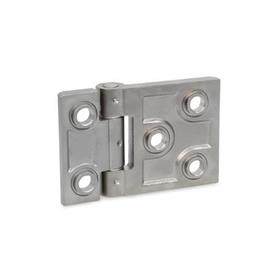
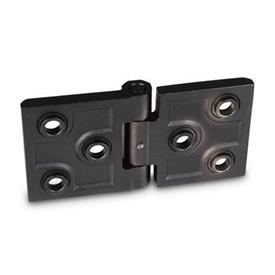
Kiinnitysmenetelmä
Tuoteperhe

Etkö löytänyt mitään? Erityistilaukset

FAQ - Usein kysytyt kysymykset

Which materials are offered for hinges and what properties do they each have?

Various materials are available for hinges in Ganter’s selection, depending on the specific requirements: stainless steel, zinc die casting, aluminum, steel and plastic. Each of these materials offers practical advantages for various uses in machine and plant construction.
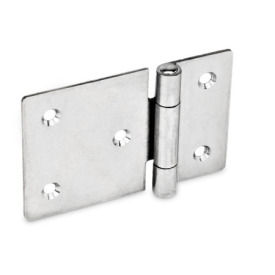
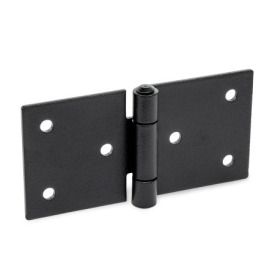
Hinge materials

  • Stainless steel: Especially corrosion resistant and easy to care for. Suitable for outdoor areas, hygienic environments or applications with heavy cleaning cycles. Reliable protection against rust and chemicals. Long-lasting function even under challenging environmental conditions.
  • Zinc die casting: Allows for precisely manufactured, attractively designed hinges with very good stability. High-quality surface, ideal for standard applications in machine construction. Attractive design combined with reliable function.
  • Aluminum: Lightweight, low susceptibility to corrosion and easy to work. When wear-resistant, lightweight connecting elements are required.
  • Steel: Robust material for classic and heavy-duty applications. Steel hinges combine high strength with economical manufacturing. A cost-effective and sturdy solution.
  • Plastic: Non-conductive, lightweight and insensitive to many chemicals. Hinges of detectable plastic (FDA-compliant) are available for many applications. Plastics open up flexible design options and are ideal when low weight and corrosion resistance are priorities.

Which hinges are suitable for use in corrosive environments?

Hinges for use in environments with a risk of corrosion should be made of stainless steel or plastic to ensure lasting functionality and low maintenance. Models of stainless steel A4 (quality class 4) as well as hinges of detectable, FDA-compliant plastic are especially well suited for such applications.

Suitable hinges for environments with corrosion risk

  • Stainless steel hinges (e.g. GN 237, GN 237.3, GN 136, GN 129.2, GN 129.5, GN 1362, GN 1364): Robust with long-lasting corrosion resistance, also available as heavy duty and elongated variants to meet special requirements.
  • Special variants: A4 stainless steel (GN 237.3) for aggressive media (e.g. coastal regions, chemical exposure, food processing), detectable plastics (GN 237.1) for hygiene-critical areas.
  • Accessories of stainless steel (e.g. GN 2376, GN 2372, GN 2370): Assist with mounting in areas with a risk of corrosion.

What does this mean in practice?

Choosing hinges of stainless steel or high-quality plastic ensures that doors, covers and hoods can be hung conveniently and remain reliable over the long term. This means that you can benefit from an extended service life for the machine components, avoid downtimes due to rust or material fatigue and satisfy strict hygiene requirements. As user, you can flexibly respond to various environmental conditions and improve the reliability of your application – ideal for outdoor installations, in food processing or chemical plants.Numerous variants are available within the indicated product family for precise adaptation to the specific requirements, and customized special designs can even be ordered with specific materials, dimensions or functions.

How do heavy duty hinges differ from conventional hinges?

Compared with conventional hinges, heavy duty hinges offer significantly more robustness and are designed for withstanding high stresses. For example, they are specially designed for applications in which large, heavy door leafs, covers or housings subject to frequent movement cycles must be hung so as to remain reliable and free of play. The main difference lies in the more solid construction as well as in the selection of particularly resistant materials.

Typical differences – heavy duty hinges versus standard variants

  • Heavy duty hinges (e.g. GN 237.3, also in the stainless steel A4 version) are characterized by reinforced hinge bodies and pins.
  • When extreme requirements apply, corrosion-resistant stainless steels are used to ensure reliable functioning even in rough production environments, outdoors or in contact with aggressive media.
  • Heavy duty hinges are optimized for highly continuous operation and the near absence of wear.
  • The screw fastenings and attachment points are also designed for increased forces so that even very heavy doors can be moved reliably and with repeatable precision.

Which options are available for heavy duty hinges?

  • The selection ranges from standard to horizontally elongated versions. Users can therefore specifically adapt the load path to the overall design and reduce the risk of collisions.
  • Material variants such as stainless steel A4 allow for use outdoors or in food-processing equipment thanks to the extreme resistance to rust and chemicals.
  • Screw fastenings or special threaded plates (such as GN 2376 or GN 2372) simplify the mounting of solid doors and covers. This makes for flexible installation and reliable processes.
  • When heavy components must be hung reliably, precisely and with low maintenance requirements.
  • For applications in rough, damp or aggressive environments – such as in shipbuilding and chemical- or food-processing plants.
  • Anywhere that standard hinges reach their design limits and greater reliability under continuous loads is called for.

Which additional functions are offered by special function hinges from Ganter?

Special hinges from Ganter Norm go beyond the basic pivoting function of hinges to offer additional functionality to significantly improve ease of use, operating safety and system flexibility. Hinges and supplemental products from Ganter are thematically arranged into various categories. This ensures that you can quickly find the right solution for your project. You will find a compact overview below – in each case with a brief, practical description:
  • Hinges
    This is the central category for pivoting mounting of doors and covers. Here you can choose from a large range of hinge types and search specifically by material, load capacity, mounting options or additional functions – for everything from switch cabinets to heavy machine gates.

  • Hinges, concealed
    Interior or multiple-joint hinges allow for large opening angles and remain invisible from the outside. The mounting is hidden, which makes for a clean external look and improved vandalism protection.

  • Saranat, säädettävät
    These hinges have elongated holes for easy adjustment, such as for adapting to door gaps or compensating for tolerances.

  • Saranat, irrotettavat
    Detachable hinges consist of two separate halves, making it easy to remove doors or covers. This saves time with installation or removal – especially for heavy elements.

  • Saranat säädettävällä kitkalla
    Here the rotation resistance can be infinitely adjusted across the entire opening path. This keeps covers open in any position and prevents them from falling closed on their own.

  • Saranat, lukkiutuvat
    These hinges can be locked in any desired position with a hand lever, making assembly and maintenance work easier.

  • Saranat indeksitoiminnolla
    These hinges latch with a tangible and audible click at a specific opening angle. This keeps a door temporarily open without falling closed – ideal for recurring operating steps.

  • Saranat jousikuormitetulla palautuksella
    An integrated spring mechanism ensures that the cover or door automatically returns after opening. This allows for a controlled closing movement, such as on service access points of machines.

  • Saranat sähkökytkintoiminnolla
    These hinges have integrated safety switches. When the door is opened, it automatically interrupts a circuit or signals the opened state – ideal for protective enclosures where safety is a priority.

Practical aspects and user benefits

Special function hinges from Ganter are useful when you need custom motion control, safety functions or the advantages of integration.
  • For example, a maintenance cover with adjustable friction could be held in any open position to free up the hands of the technicians – without additional supports.
  • Latching hinge variants ensure that doors remain open at specific positions, which can make assembly steps in production processes safer and more efficient.
  • The integration of switching functions eliminates the need for separate sensors and simplifies the implementation of safety-relevant control features, such as for the monitoring of protective doors.

Availability in the Ganter selection

In addition to standard versions, many hinges are also available as special function hinges with corresponding additional options. Technicians and buyers can search directly for options such as indexing positions, friction, spring loading or a switching function. Ganter also offers customer-specific versions of hinges for special mounting, material or functional requirements. This means that exactly the right solution can be implemented for nearly any application in machine and plant construction.

When should I use weldable hinges and what advantages do they offer?

A weldable hinge is always an option when a permanent, non-positive connection is required between the hinge and a part. Typical applications include doors, covers or maintenance openings in machines and plants, where screw connections need to be avoided or if the fastening must be mounted directly to a load-bearing profile or panel.Welding results in an especially stable connection without any play – ideal for integrated solutions that must be compact, long-lasting and impervious to vibrations.Models such as GN 1362 (sheet metal hinges, stainless steel, for welding) and GN 1366 (hinges, steel profile, for welding) are specially designed for these requirements.

When are weldable hinges a good choice?

  • In confined spaces, where screws or other fastening elements would get in the way.
  • When maximum stability and resistance to dynamic loads are required.
  • For applications in metalworking, where parts must be mounted flush and without visible screw connections.
  • Ideal for doors or covers that are subjected to frequent loads, such as machine housings, protective booths or industrial paneling.

Overview of the advantages of weldable hinges

  • Compact design thanks to the elimination of screw heads and holes: this saves space and produces a clean look.
  • Long-lasting, corrosion-resistant connection: depending on the selected material, such as GN 1362, which is made entirely of stainless steel.
  • Very high load capacity thanks to a positive connection with the supporting part. This increases the service life and reliability of the entire structure.
  • The mounting area can be welded in advance and then painted or coated in a single step, minimizing the required workload.

Practical example for weldable hinges

One typical use case is the GN 1362 weldable hinge, which is used in its stainless steel version in outdoors systems or in food-processing areas. This allows machine builders to hang doors without gaps or any disruptive screw connections. The structure remains hygienic, easy to clean and resistant to cleaning processes.

Which hinges are best suited for outdoor use?

  • GN 237 Hinges, stainless steel – classic, versatile design for doors and covers in outdoor areas
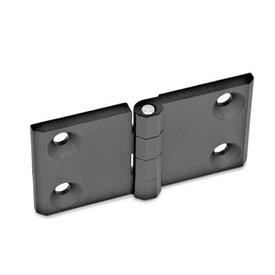
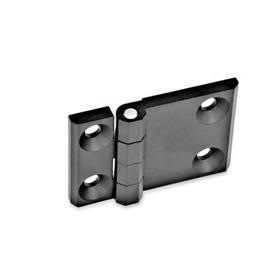
  • GN 237, horizontally elongated: Stainless steel – optimal for bridging large fastening gaps on panels
  • GN 237.3: Heavy duty hinges, stainless steel – for high loads, such as large or heavy door panels
  • GN 237.3, horizontally elongated: Heavy duty hinges, stainless steel – for applications with a large door leaf offset
  • GN 237.3: Heavy duty hinges, stainless steel A4 – ideal for very rough usage conditions, such as in coastal regions or plants with high exposure to chemicals
  • GN 237.3, horizontally elongated: Heavy duty hinges, stainless steel A4 – combines maximum corrosion resistance and mounting flexibility
  • GN 129.5: Hinges, stainless steel, 3-part – for profiles and panels in modular designs
  • GN 129.2: Hinges, stainless steel, 3-part – for mounting on frames or special solutions
  • GN 136: Sheet metal hinges, stainless steel, square, vertically or horizontally elongated – suitable for thin-walled panels outdoors
  • GN 1362: Sheet metal hinges, stainless steel, for welding – a great choice if the hinge must be permanently welded to steel components or housings
  • GN 1364: Sheet metal hinges, stainless steel, pointed – for space-saving or visually appealing designs
  • GN 139.6: Hinges, stainless steel – universal solution for machine and plant housings
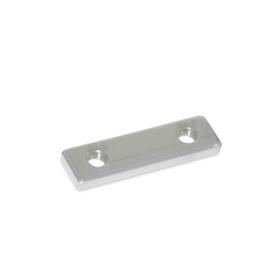
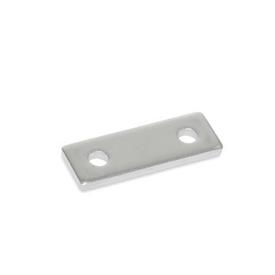
  • GN 2370, GN 2372, GN 2376: Threaded and spacer plates of stainless steel for hinges – for secure and corrosion-free screw connections

Which hinges are specially suited for applications in the food industry and why?

Hinges for applications in the food industry must be designed for special hygienic requirements and must be made of corrosion-resistant, easy-to-clean materials. Ideal options here include GN 237: hinges, stainless steel A4 and GN 136: sheet metal hinges, stainless steel A4 as well as GN 237.1: hinges, plastic, detectable, FDA-compliant.
  • GN 237 hinges, stainless steel A4: Made of high-quality stainless steel A4. This material is especially resistant to aggressive cleaning media and satisfies the requirements for use in hygienically sensitive areas.
  • GN 136 sheet metal hinges, stainless steel A4: These are available in many different versions and are suitable for light to medium-duty applications.
  • GN 237.1 hinges, plastic, detectable, FDA-compliant: These hinges are made of a special detectable plastic that complies with FDA requirements and can be detected visually or via metal detection in conveyor belt processes. This results in improved product safety.

Practical advantages

  • Smooth surfaces and special materials ensure that dirt barely has a chance to stick and make the hinges very easy to clean – ideal for the food industry, where regular cleaning is mandatory.
  • FDA-compliant detectable plastic avoids the incorporation of foreign bodies. This reduces machine downtimes and lowers the risk of product recalls.
  • Stainless steel A4 provides reliable corrosion protection, meaning that hinges can even be used in continuously damp, acidic or salty environments.

What does this mean in practice?

By using these hinges, machine and plant operators can reliably fulfil statutory and company-internal hygiene standards. The detectable hinges GN 237.1 increase safety in sensitive production lines, such as on conveyor systems for unpackaged goods. Stainless steel A4 hinges such as GN 237 are especially well suited for damp cleaning zones, areas exposed to steam or processes with frequent disinfection. This allows systems to be reliably and safely cleaned and monitored with minimal effort.

Are special customer-specific hinge designs possible?

Ganter is able to prepare special hinge designs for customer-specific requirements. Alongside the diverse standardized variants of the hinge product family, Ganter also offers extensive options for individual customization. Users can have hinges modified according to specific requirements – such as with regard to dimensions, material selection, surface finish and color.

How to proceed

  • Contact Ganter with your special requirements and desired parameters by calling the number +49 (0) 7723 6507-259.
  • We will advise you on the optimal design and feasibility
  • Profit from reliable manufacturing and proven Schwarzwald quality – even for one-off or small series productions
Individual special solutions ensure that your creations will continue to function as desired for a long time to come. In this way, you can approach even complex projects with precision and confidence.

Which mounting types are available for hinges and what aspects are important in making a selection?

There are many different ways to mount hinges. Selecting the right mounting method is critical for ensuring that the hinges function optimally on doors, covers or panels in machine or plant construction and in automation solutions. Typical mounting methods include standard screw fastening, welding and special methods of fastening to profile systems or panels. Depending on the selected hinge type – such as GN 237 (screw-mounting), GN 1366 (weldable) or GN 161 (for aluminum profiles) – the advantages for specific applications can vary.

Available mounting methods for hinges

  • Screw fastening: Most hinges can be directly fastened to frames and doors with screws, e.g. GN 237, GN 437.1 or GN 138. This is ideal when simple removal or readjustment is desired.
  • Welding: Models such as GN 1362 (sheet metal hinges, stainless steel, for welding) or GN 1366 (hinges, steel profile, for welding) are permanently welded. This ensures especially strong mounting and is suitable for high requirements in terms of load capacity and vandalism protection.
  • Fastening for profile systems and panels: Special hinges are available for attaching to aluminum profiles or panels, such as GN 161, GN 2295 or GN 2291, which can be precisely integrated into profile systems. This allows for quick and reliable mounting in modular systems.
  • Use of accessories: Spacer plates (GN 2370), threaded plates (GN 2372, GN 2376) and bolt sets (GN 2290) are used when flexible adaptations are required to handle diverse installation situations or compensate for tolerances.

Important criteria for selecting the mounting method

  • Material and environment: Consider whether the hinge will be used in corrosive or hygienic environments or areas exposed to special stresses. Stainless steel variants and special fastening elements ensure reliable functioning even under challenging conditions.
  • Load requirements: For large covers or heavy loads, heavy duty hinges such as GN 237.3 for screw fastening or weldable designs like GN 1366 offer good options.
  • Design considerations: Check whether sufficient space is available for mounting, whether interior or exterior hinges are required and which fastening system is compatible with your frame structure. Horizontally or vertically elongated types, such as GN 237, simplify installation when special space considerations apply.
  • Easy of mounting and maintenance: Screwable hinges like GN 237 or GN 437.1 can be easily removed or replaced. Welded variants offer maximum stability but are difficult to remove or replace.

Practical aspects: How the right mounting method simplifies your application

Careful selection of the mounting method ensures that the hinge will be optimally matched to the installation situation. This means that users can flexibly respond to special design conditions, keep maintenance periods short and increase the reliability of their operations. Example: In modular systems with changing setups, profile hinges like GN 2295 can significantly accelerate assembly processes. On outside doors, a stainless steel weldable hinge such as GN 1362 ensures long-lasting, low-maintenance operability.

Are there hinges for panel elements like door panels or window panes?

Yes, there are special hinges for panels such as door panels or window panes, especially if these are made of glass or other flat panels – they differ from classic door or window hinges for wood or frame structures.

Types of hinges for panels (e.g. glass or plastic)

There are hinges, such as GN 938 or GN 237.1 for panels, that were developed specifically for flat elements such as glass or plastic panels. These are often mounted with spacer sleeves, rubber inserts or clamping systems to ensure that the panel can be fastened securely and without tension.

Recommendation for product selection

  • Use GN 938 hinges of diecast zinc when you require robust, invisibly mounted solutions for panels and doors.
  • Use GN 237.1 hinges of plastic for panels if you need plastic and an especially low visual profile.
You can use hinge solutions with hidden mounting to fulfil both technical and visual requirements in modern machines and plants.

What are some application examples for hinges in machine and plant construction?

Hinges are used in many ways in machine and plant construction since they enable flexible and reliable opening and closing of doors, covers or service openings. Typical application examples for hinges are maintenance and inspection covers on machine housings, protective hoods on manufacturing systems, switch cabinet doors that swing open to the side or access panels for filtration and cooling systems. Users profit in particular from the wide range of variants in the hinge family, which offers a suitable solution for nearly any installation situation.

Application examples for hinges in machine and plant construction

  • Swinging service covers on production machines that require quick accessibility for maintenance or troubleshooting (such as with GN 237 hinges of stainless steel for high corrosion resistance in damp environments).
  • Protective coverings on presses or packaging systems that open upwards or to the side, ideally implemented with heavy duty hinges GN 237.3 of stainless steel if large covers must be handled reliably.
  • Doors designed to customer specifications in food processing areas that make use of detectable, FDA-compliant plastic hinges GN 237.1 to fulfil hygiene and safety requirements.
  • Interior hinges GN 938 for flush door panels on control stations so that no attachments project outwards and dust accumulation is avoided.
  • Systems with aluminum profiles in which GN 2295 hinges ensure modular integration of covers, doors and inspection windows.
  • Electrical housings or operating cabinets equipped with sheet metal hinges GN 136 of stainless steel that close reliably, unhindered by corrosion, despite long use in a rough industrial environment.
  • Compact machine peripherals utilizing space-saving plastic hinges GN 155 so that moving elements can be realized as compactly as possible.

What factors are important in making a selection?

  • Depending on the location of use, hinges should be selected based on material (e.g. stainless steel for damp or hygienic areas, plastic for weight savings), design and additional functions, such as removable pins, defined latching positions or infinitely adjustable friction.
  • If particular requirements apply for load capacity or design, Ganter also offers heavy duty and special hinge variants or even customer-specific special designs.

Practical benefits for designers and users

By supplying the right hinge for any given application, Ganter guarantees convenient and reliable operability of movable machine parts, facilitates safety and provides system components with lasting protection against damage. This means that users can act flexibly to choose the right hinge solution for their application – whether they need high stability, corrosion protection or quick mounting.

Is CAD data available for hinges and in which formats?

Ganter provides easy access to CAD data for hinges. This can be found on ganternorm.com directly on the respective product page for every product of the hinge family – from GN 237 to GN 136 to GN 7580. CAD data can be viewed for free and downloaded in all typical formats. This means you can easily integrate hinges into your own designs and efficiently plan your project and the relevant procurement.

How to obtain CAD data for hinges

  • Go to ganternorm.com and find the hinge series you are interested in, such as GN 237, GN 1362 or GN 2295.
  • On the product page, under CAD Data, click on Download STEP File for direct downloading or select a different file format, which we will send you promptly by email.

More information

  • If a standard CAD format is not available for a special product, please use the CAD data form on the product page – Ganter can supply many other formats or customer-specific drawings on request.
  • The data is always fully up to date for the current product version – so you can confidently use it for planning and documentation.

Sinun yhteyshenkilösi

Etsitkö Ganter-kumppania lähietäisyydeltä? Valitse maa.

Ganter-palvelu

Palvelutiimimme on käytettävissä maanantaista perjantaihin klo 7:30 AM ja 5:00 PM välisenä aikana:

Pyydä takaisinsoittoa