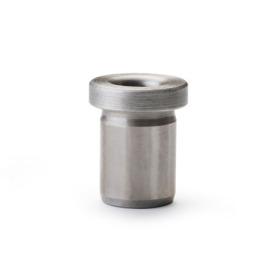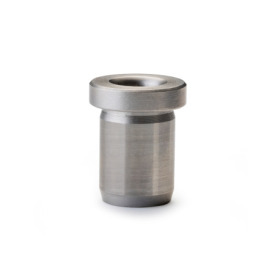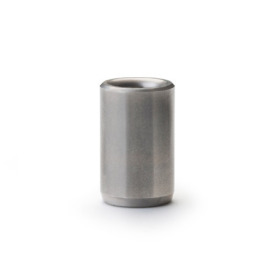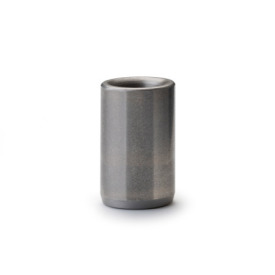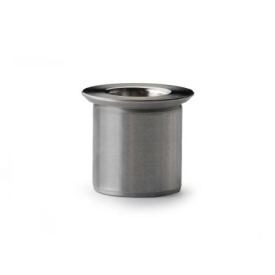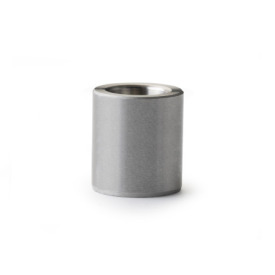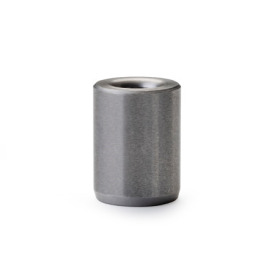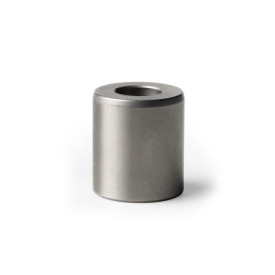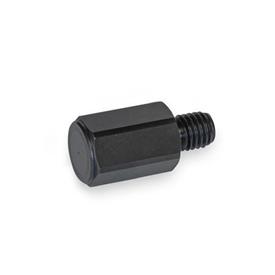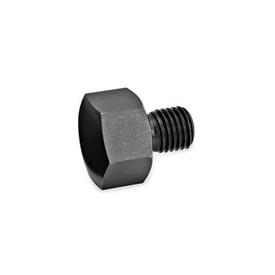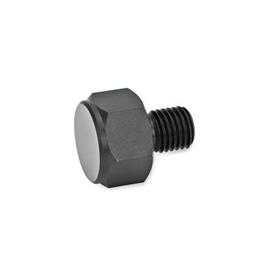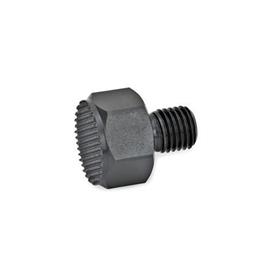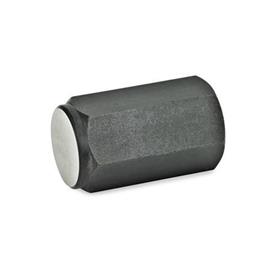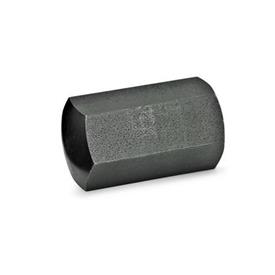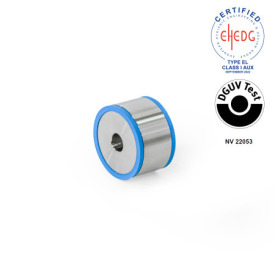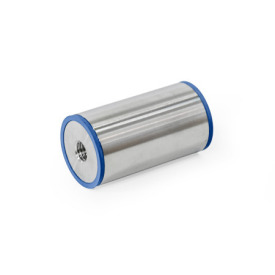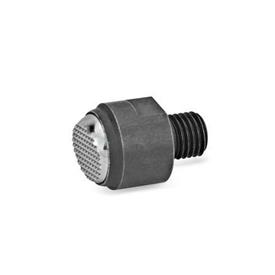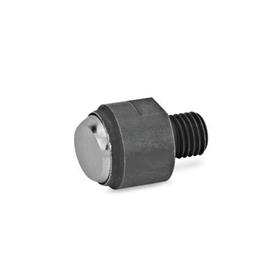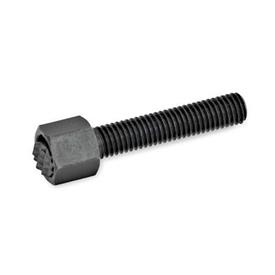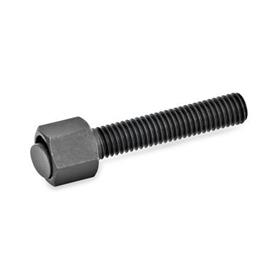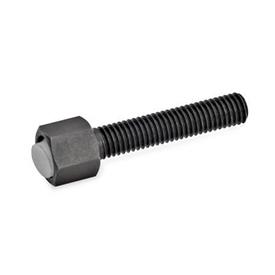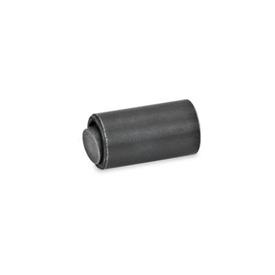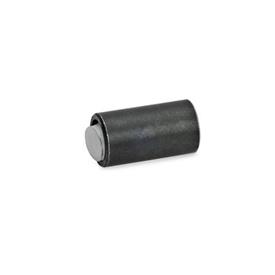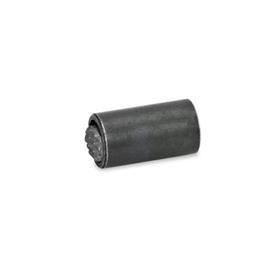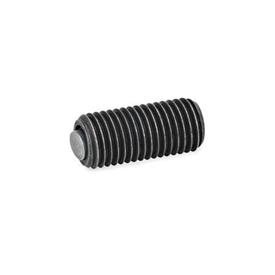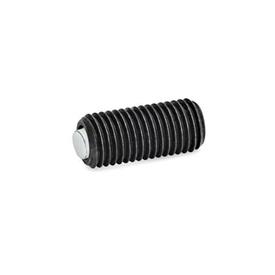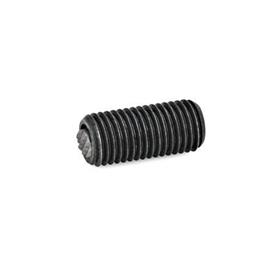
Porausholkit, kohdistuselementit ja paininruuvit

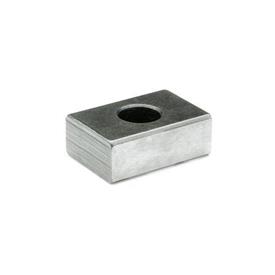
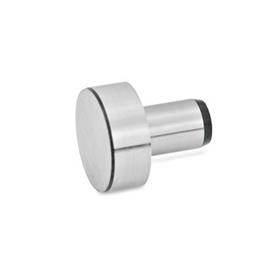
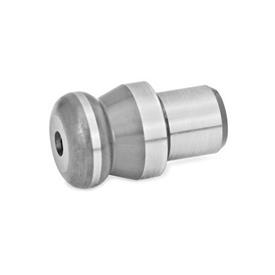
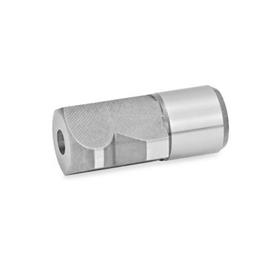
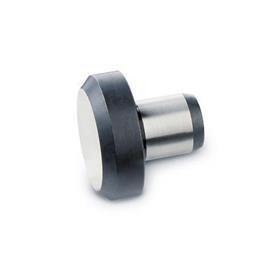
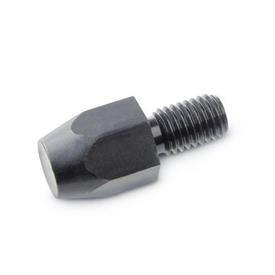
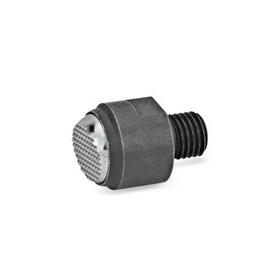
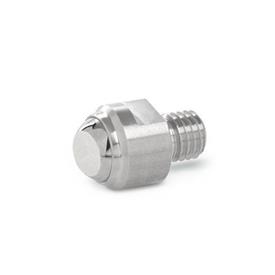
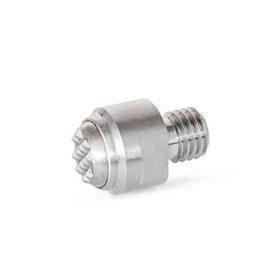
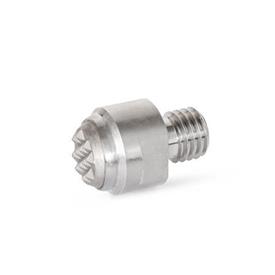
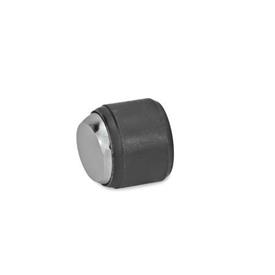
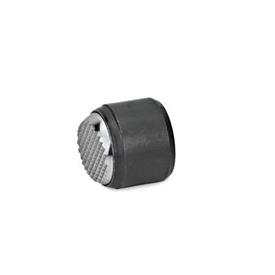
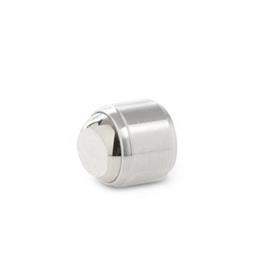
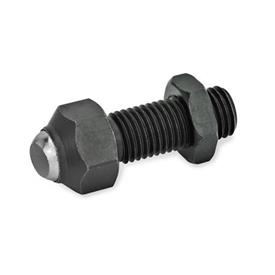
Positioning elements, clamping pads, and drill bushings are used for the precise alignment, clamping, and guidance of components in machine and jig construction. While positioning elements enable precise positioning, clamping pads compensate for unevenness and tolerances.

Drill bushings ensure safe and low-wear guidance of tools, especially during repeated drilling operations. All components are designed for high precision, durability, and a long service life.

FAQ - Usein kysytyt kysymykset

Suodata tuotteet
Uudet tuotteet
Materiaali
Kierre (alkaen - päättyen) Kierre
Reikä (alkaen - päättyen) Reikä
Ulkoläpimitta (alkaen - päättyen) Ulkoläpimitta
Tapin pituus (alkaen - päättyen) Tapin pituus
Versio

Etkö löytänyt mitään? Erityistilaukset

FAQ - Usein kysytyt kysymykset

What types of positioning elements, clamping pads, and drill bushings does Ganter offer?

Ganter’s standard product range includes a wide selection of positioning elements, clamping pads, and drill bushings. These components are designed for precise guidance, exact clamping, and secure positioning of tools, workpieces, or assemblies – ideal for mechanical engineering, jig construction, automation, and toolmaking. This ensures reliable processes and low-wear guidance in mass production.

Positioning elements

  • Guide bushings / drill bushings DIN 172 and DIN 179 are cylindrical sleeves designed for drills, tools, or indexing plungers; they are available with or without a collar and also in stainless steel. They allows positions to be adopted quickly and with high repeatability.
  • GN 172.1 and GN 179.1 – Bushings with a tapered bore for applications requiring especially precise centering, available with or without a collar. This allows you to precisely compensate for tolerances.
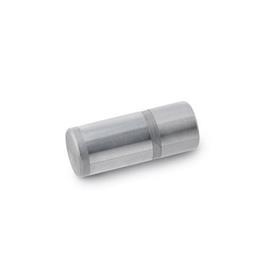
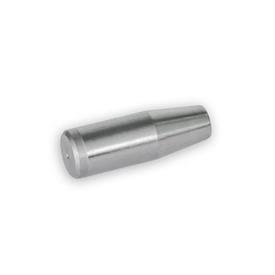
  • Guide pins GN 771.1 (cylindrical) and GN 771.2 (conical), designed to fit the specified bushing types, ensure a zero backlash and repeatable hold – ideal for changing workpieces or fixtures.
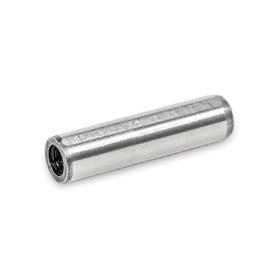
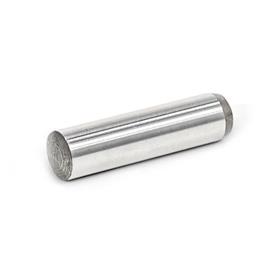
  • Dowel pins DIN 7979 and DIN 6325 serve as precise assembly or positioning aids for securing components.
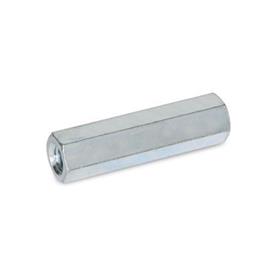
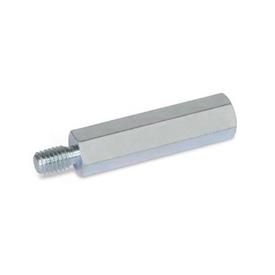
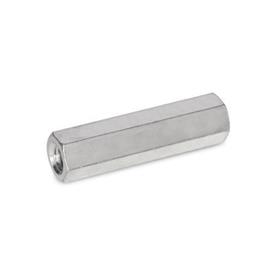
  • Additional components such as T-nuts GN 230, workholding bolts and headed dowels DIN 6321 and GN 6322, GN 6321.1 as well as spacers GN 6220 / GN 6226 ensure flexible or hygienic spacing and provide structural support.
  • Setting bolts GN 251 and GN 251.2 enable reliable and repeatable starting and stopping of motion sequences.

Drill and cutting bushings

  • DIN 172 / DIN 179 – A wide selection of large-diameter cylindrical drill bushings (including ones with a collar) made of hardened steel or stainless steel for drilling and guiding applications.
  • Punch guide bushings DIN 9845 – Designed for use as wear bushings in guide punches.
  • Cutting bushings DIN 9845 and cutting punches DIN 9861 – Designed for punching and forming applications, they ensure precise tool guidance and a secure fit.

Clamping pads

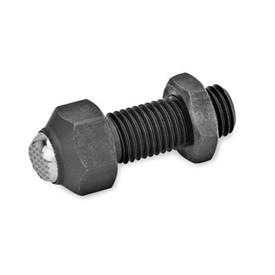
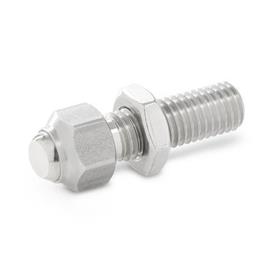
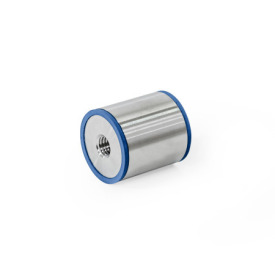
  • GN 709.x series, which is available in various versions (with threaded bolts, internal threads, adjustable, stainless steel, or steel), allows for the correction of angular misalignment and the flexible positioning of supports and stops. This allows you to respond flexibly to manufacturing tolerances or component-related variations.

What applications are drill bushings and positioning elements particularly suitable for?

Drill bushings and positioning elements are ideal for applications that call for precise and repeatable guidance as well as exact positioning of tools, drill bits, or indexing plungers. They are predominately used in mechanical engineering, jig construction, mass production, metalworking, and toolmaking. This ensures a high degree of process reliability and significantly reduces wear on the tools used.

Typical areas of application for drill bushings

  • Guiding twist drills or other precision tools when drilling bores in fixtures or assembly jigs.
  • Secure positioning of workpieces using locating pins or locking mechanisms to ensure efficient mass production with consistent quality.
  • Used in repetitive machining processes where identical drill holes must be reliably replicated, such as in the manufacture of vehicle or machine housings.
  • Connections that use guide pins (such as GN 771.1 or GN 771.2) to center components and ensure precise assembly.

This ensures that bores are always deburred and maintain their dimensions, which minimizes rework and, thanks to the hardened design of the bushings, reduces tool wear at the same time.

Examples of applications for positioning elements

  • Guide bushings according to DIN 172 or DIN 179 with or without matching pins, used as reference points in assembly jigs or gauges.
  • Clamping pads (e.g. GN 709.1 or GN 709.15), which are used to compensate for tolerances and slight misalignments in support or clamping systems.
  • Workholding bolts (e.g. DIN 6321 or GN 6322), which allow for the secure clamping and repeatable positioning of various components.
  • Special guide bushings (e.g. GN 172.1) that make inserting and centering tapered tools especially convenient.

In practical terms, this means: You can use drill bushings and positioning elements to make complex manufacturing and assembly processes significantly more efficient and reliable. The components can be positioned easily and with minimal adjustment, which reduces setup times and eliminates the need for error-prone interim measurements. Ideal for any application that calls for flexibility, precision, and long-lasting quality.

What materials are drill bushings and positioning elements available in?

Ganter’s drill bushings and positioning elements are manufactured using a variety of materials and surface treatments, depending on the model. Hardened and ground steel as well as stainless steel are used for the majority of drill and guide bushings. This allows you to implement reliable, low-wear guides even under very demanding conditions in mechanical engineering, jig construction, and metalworking.

Materials used in drill bushings and positioning elements

  • Steel: For example, with regard to DIN 172 guide bushings and drill bushings with collar and DIN 179 without a collar. These have an especially hard and smooth surface thanks to a special heat treatment and subsequent grinding.
  • Stainless steel: Many versions are also available in stainless steel (including DIN 172 and DIN 179, GN 6220 spacers, GN 709.15 and GN 709.25 stainless steel clamping pads). Stainless steel versions offer enhanced corrosion resistance and are ideal for use in damp or hygienically sensitive environments, such as in the food processing or pharmaceutical industries.
  • High-speed steel (HSS): Certain cutting bushings (DIN 9845) and cutting punches (DIN 9861) are made of HSS, which ensures exceptionally high wear resistance during punching and cutting.

Typical surface treatments

  • Hardened and ground: Most steel drill bushings and positioning elements are case-hardened or through-hardened and then precision-ground. This ensures a durable, dimensionally stable, and wear-resistant surface and guarantees repeatable guidance.
  • Stainless steel: Stainless steel products do not require any additional surface treatment, as the material is already corrosion-resistant.

Benefits at a glance

  • Long service life thanks to wear-resistant surfaces
  • High precision and dimensional accuracy
  • Versatile use thanks to the choice between steel and stainless steel
  • Reduced maintenance requirements thanks to corrosion-resistant materials
  • The ideal solution for precise, repeatable guidance of drill bits, pins, or tools

How do positioning elements, clamping pads, and drill bushings differ in terms of their designs and geometries?

Positioning elements, clamping pads, and drill bushings differ in their design, geometry, and functional purpose. This clear distinction ensures that you can select the right standard component for your application and use it with confidence.

Characteristics and types of drill bushings

  • Drill bushings, such as DIN 172 (with a collar) and DIN 179 (without a collar), are hardened guide bushings made of steel or stainless steel. They have a cylindrical shape and are available with or without a collar. Special shapes such as GN 172.1 and GN 179.1 feature a tapered bore for exceptional guidance precision.
  • Other geometries include punch guide bushings and cutting bushings, such as DIN 9845, which are often used as precision tool guides. The geometry is always designed to ensure maximum alignment and repeatability during tool guidance.

As a result, drill bushings precisely guide tools, drill bits, or indexing plungers, prevent wear on workpieces, and enable reliable, repeatable machining.

Types and designs of positioning elements

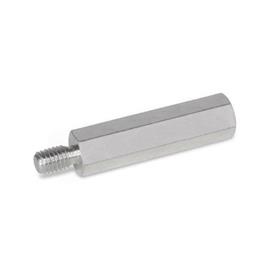
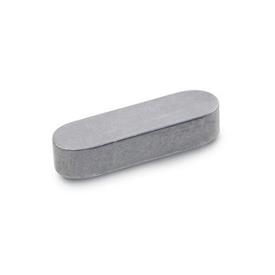
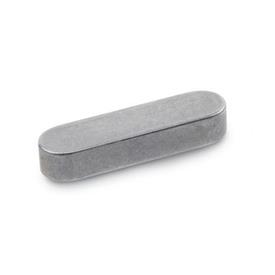
  • Positioning elements include guide pins, workholding bolts, parallel keys, and spacers – such as GN 771.1 , GN 771.2, DIN 7979, GN 409.1 or GN 6220. Their designs range from cylindrical and tapered to specific head and threaded versions.
  • Many positioning elements are designed for plug-in or screw-in applications.

This allows you to set up testing or assembly jigs flexibly and efficiently, quickly replace components, or to position them with repeatable accuracy without having to realign them.

Variety and design of clamping pads

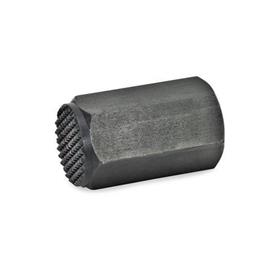
  • Clamping pads such as GN 709.1, GN 709.15 (with a threaded bolt) or GN 709.2, GN 709.25 (with an internal thread) are characterized by their swivel bearing design. The ball seat or contact surface can flexibly adapt to the angle of the workpiece (compensating for angular deviations).

Because the bearing surface automatically adapts to the component being supported, workpieces can be gently and securely held or supported regardless of their surface angle. Ideal for applications where there are tolerances in the workpiece or where the setup needs to remain flexible.

Key differences at a glance

  • Drill bushings Precise, low-wear tool guidance; cylinder geometry with or without a collar or tapered; stainless or hardened steel.
  • Positioning elements: Cylindrical, tapered, slotted, or with a special head – for precise alignment, securing, or clamping of components.
  • Clamping pads Swivel-mounted ball or pad support, for self-aligning support on uneven surfaces.

What is the difference between headed drill bushings and cylindrical drill bushings?

Headed drill bushings have a projecting collar that prevents the bushing from being pressed through the receiving part during installation. They are manufactured according to DIN 172 and offer secure fixation. In contrast, cylindrical drill bushings according to DIN 179 have no collar and are pressed flush into the receiving part.

What material are headed drill bushings made of?

Ganter manufactures headed drill bushings out of high-quality Steel or Stainless steel that is hardened and ground. This guarantees high precision and a long service life – even under heavy loads.

How do you choose the right size or type of drill bushing for a specific application?

To select the right size and type of drill bushing for your application, the most important factor is the diameter of the drill bit to be guided or the specific tool that will be used in the jig or machine. Drill bushings such as DIN 172 (with collar, steel or stainless steel) or DIN 179 (without collar, steel or stainless steel) provide precise guide holes in many standard metric sizes. The collared version facilitates axial positioning and securing within the bore, while cylindrical bushings without a collar are especially well suited for applications with limited installation space. This allows you to adapt flexibly to the specific installation situation and space requirements and optimally position the drill bushings.

Key selection criteria for drill bushings

  • Guide diameter (d1): Designed to match your tool or the drill bit diameter. For precise and repeatable results, always use the correct inner diameter in accordance with DIN/GN standards.
  • Length (l1) and installation position: The length of the bushing affects the tool’s feed length. Choose the longest guide possible to achieve optimal precision.
  • Material: Steel bushings (DIN 172, DIN 179) offer wear-resistant, cost-effective solutions for standard applications. Stainless steel bushings (DIN 172, DIN 179) are ideal for corrosive environments or food-contact applications.
  • Type: Bushings with a collar make installation easier and prevent slipping. Cylindrical bushings without a collar are suitable for direct pressing or for tight installation spaces.
  • Special shapes: For tapered or special applications, variants such as GN 172.1 or GN 179.1 with a tapered bore can be used to ensure that guide pins are guided precisely. For demanding applications with guides (e.g. in punching tools), DIN 9845 punch guide bushings and matching cutting bushings made of HSS are also suitable.

How to make your selection

  1. First, determine the exact diameter of your drill bit, punch, or guide tool. Then select the closest standard size according to DIN 172 / DIN 179.
  2. Determine whether a collar (for better positioning) or a cylindrical bushing (for limited installation space) is appropriate.
  3. Take environmental conditions into account: stainless steel for applications involving moisture; steel for standard use.
  4. For high-precision or special guiding applications, use tapered versions (GN 172.1 / GN 179.1) or punch guide bushings (DIN 9845).

Can Ganter’s positioning elements, clamping pads, and drill bushings be retrofitted into existing machine systems?

Ganter’s positioning elements, clamping pads, and drill bushings are generally easy to retrofit into existing machine systems. The products in this family are manufactured in accordance with international standards or Ganter’s own standards, ensuring a high degree of compatibility and interchangeability. This allows you to flexibly adapt existing jigs or machines to specifically improve positioning accuracy, process reliability, or wear resistance.

Requirements and procedure for retrofitting

  • The standard dimensions (e.g. outer diameter, overall length, tolerances) of Ganter drill bushings and positioning elements are in conformity with common international standards. This makes it easier to integrate the component into existing mounts or bores.
  • Products such as GN 771.1 (guide pins for DIN 172/DIN 179) or GN 709.1 (clamping pads with threaded bolts, steel) are specifically designed to be used in combination with the bushings mentioned above. This makes it easy to retrofit a precise, zero backlash system.
  • For special requirements, additional models are available, such as GN 172.1/GN 179.1 (guide bushings with tapered bores) and matching tapered pins (GN 771.2). This allows you to select the right system for your specific application.
  1. Check the mounting dimensions of your existing mounting or bore and compare them with the specifications of the desired Ganter drill bushing.
  2. Select a bushing or the appropriate positioning element that meets the dimensional and fit requirements of your application.
  3. Please refer to the catalog or the product page for information on the materials available (steel, stainless steel, or special versions) for your operating conditions.

Typical applications for retrofitting

  • Replacement of worn bushings in drilling jigs or mounting plates with DIN 172 or DIN 179 drill bushings.
  • Expansion of an existing positioning unit using GN 709.1/GN 709.15 clamping pads to enable variable position adjustments.

This can significantly extend the service life of your machines and reduce maintenance costs. Another advantage is the improved process reliability achieved through precise, wear-resistant guidance and positioning. This allows you to respond flexibly and cost-effectively to changing production requirements with minimal effort.

What advantages do Ganter drill and guide bushings offer over those from other manufacturers in the machine construction industry?

Ganter drill and guide bushings offer significant advantages in mechanical engineering thanks to their high manufacturing precision, wide range of materials, and standard-compliant design. The selection includes precision-ground bushings made of steel or stainless steel in accordance with DIN and Ganter standards, such as DIN 172 (with collar), DIN 179 (without collar), or tapered variants like GN 172.1 and GN 179.1. These standard parts are precision-machined and, thanks to their tight tolerances, ensure reliable, low-wear guidance for drill bits, tools, or indexing plungers. This makes it easy to improve repeatability in manufacturing processes and ensure consistent quality in drilling and positioning applications.

Overview of the benefits of Ganter drill and guide bushings

  • Precision manufacturing in accordance with DIN and Ganter standards ensures standardized interfaces and interchangeability. This allows you to replace components flexibly and reduce maintenance time.
  • Various designs (with or without a collar, cylindrical, tapered) allow you to choose the option that best suits your application. This allows you to tailor the bushing precisely to your design requirements.
  • Variety of materials – In addition to steel, many models are also available in stainless steel. Ideal for corrosive or hygienically sensitive environments – this flexibility simplifies integration into various production lines.
  • Precision-ground on all sides and case-hardened. This ensures consistently precise guidance and minimizes premature wear – keeping your processes running smoothly and requiring minimal maintenance.
  • Interchangeable system components – With the right Ganter guide pins (e.g. GN 771.1, GN 771.2) and accessories (flat T-nuts GN 230, setting bolts GN 251), positioning solutions can be implemented in a modular and efficient manner.

Can positioning elements and drill bushings be custom-made?

Positioning elements and drill bushings from the Ganter product range can generally be customized to meet specific customer requirements. For your application, this means: For guide bushings according to DIN 172 or DIN 179, for example, as well as for clamping pads or spacers, you can request custom dimensions, specific tolerances, and special designs (material, surface treatment, modifications to the collar, bore, or length).

Custom parts – How to order

  1. Select the product you want from the Ganter standard product range (e.g. DIN 172, GN 709.1 or GN 6220).
  2. Specify exactly what deviations you want: dimensions, materials, special geometries, or specific features such as edge finishing.
  3. Please contact Ganter directly or use the inquiry form on the respective product page to request a custom design.
  4. You will receive a customized quote and, if desired, the necessary technical advice.

Benefits of custom positioning elements and drill bushings

  • Seamless integration into existing constructions
  • Quick adaptation to specific manufacturing requirements
  • Reliable process reliability thanks to precise guidance
  • Flexible response to individual customer needs without compromising on precision

Custom manufacturing is ideal whenever standard dimensions are insufficient – such as when retrofitting existing systems, developing new tooling concepts, or in automated mass production with heightened precision requirements. This way, you can ensure that your solution integrates seamlessly into existing and new processes.

Sinun yhteyshenkilösi

Etsitkö Ganter-kumppania lähietäisyydeltä? Valitse maa.

Ganter-palvelu

Palvelutiimimme on käytettävissä maanantaista perjantaihin klo 7:30 AM ja 5:00 PM välisenä aikana:

Pyydä takaisinsoittoa