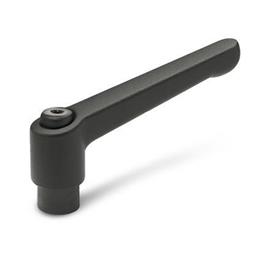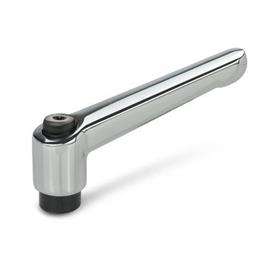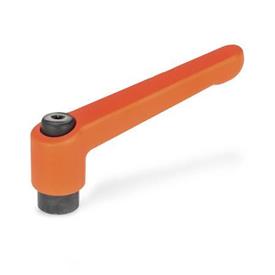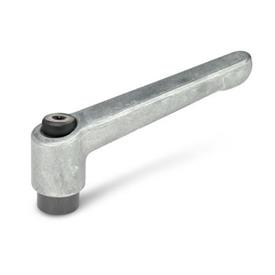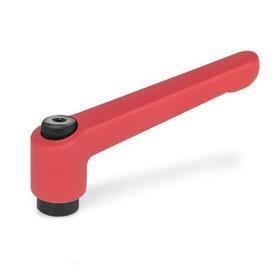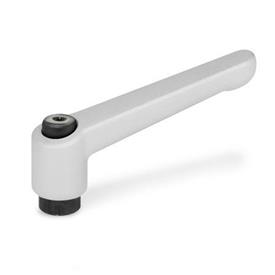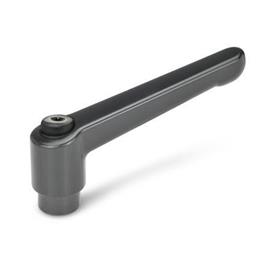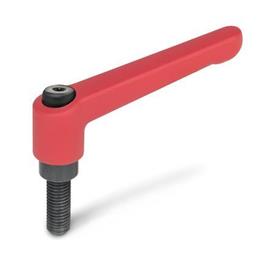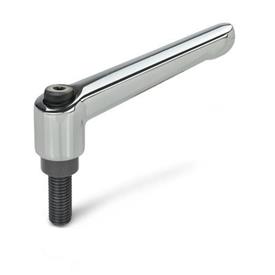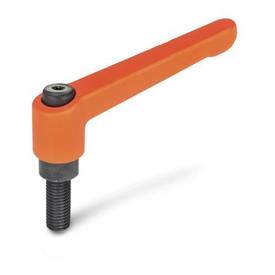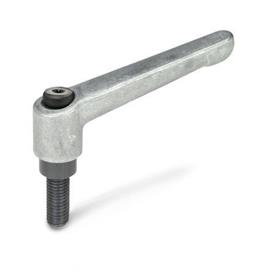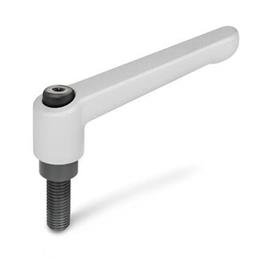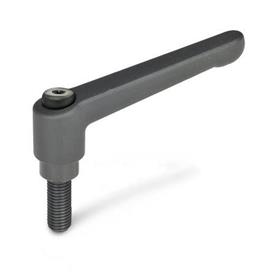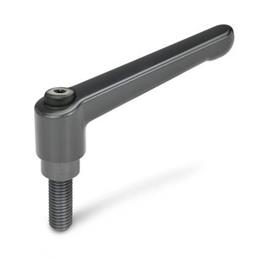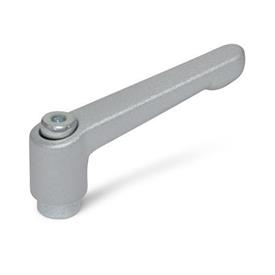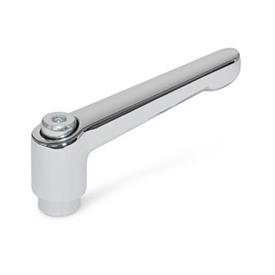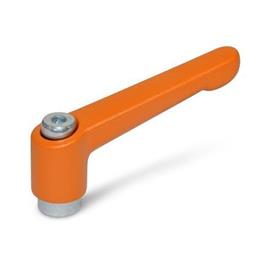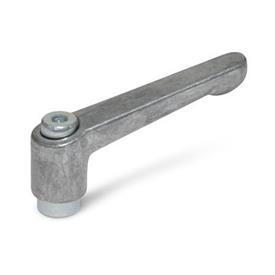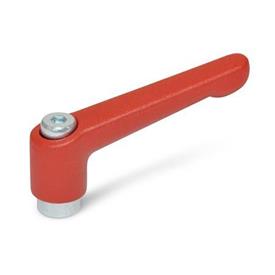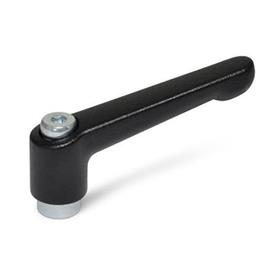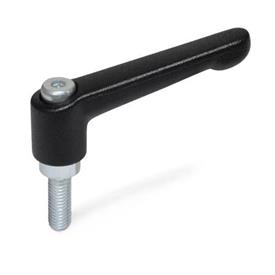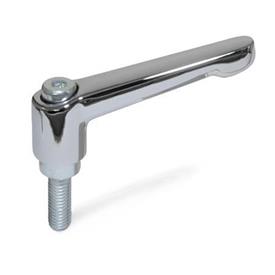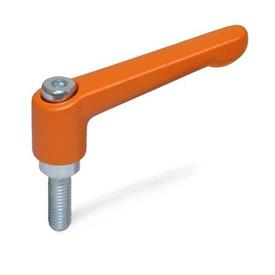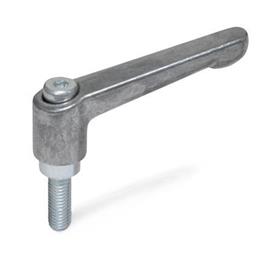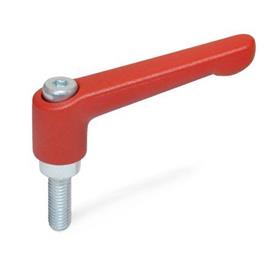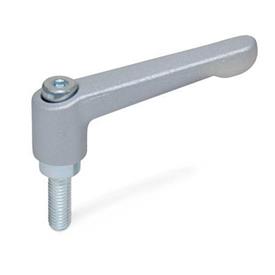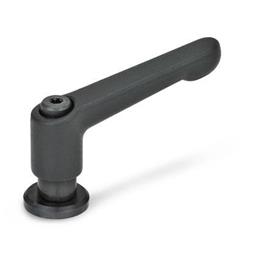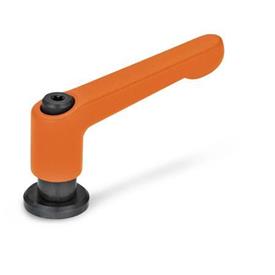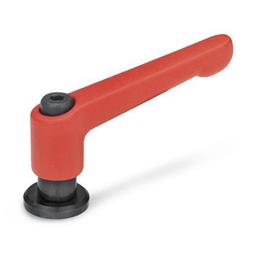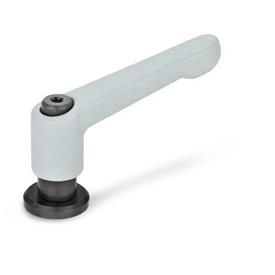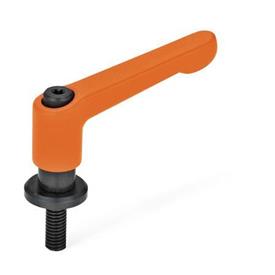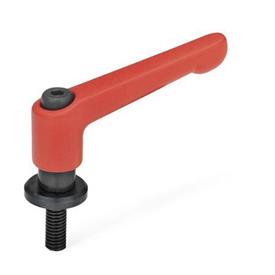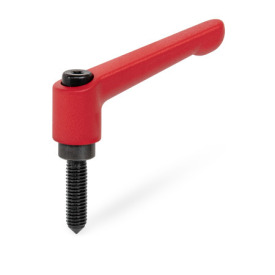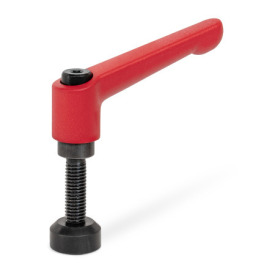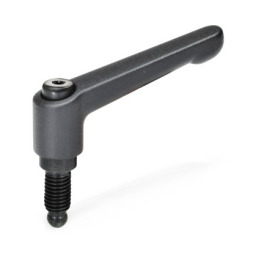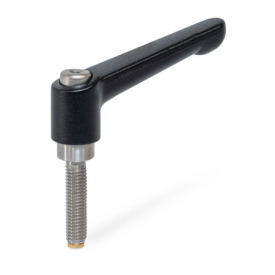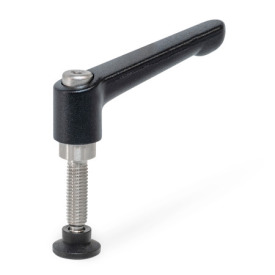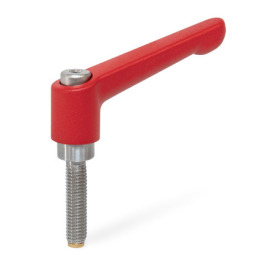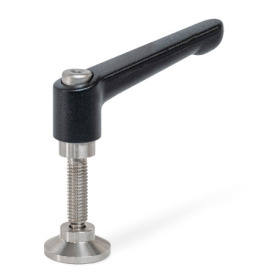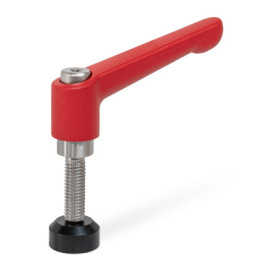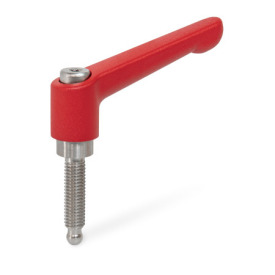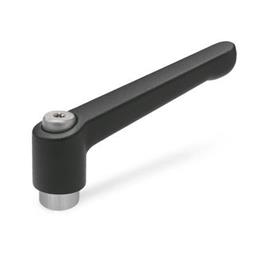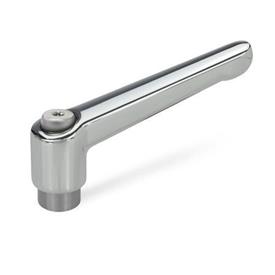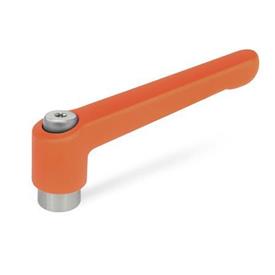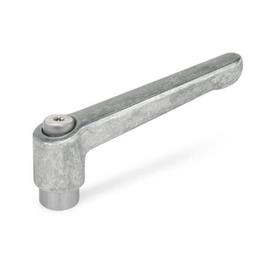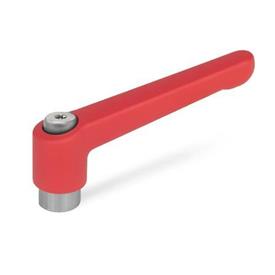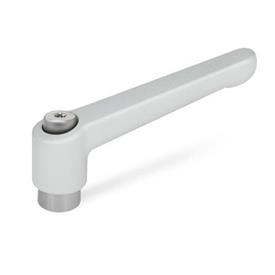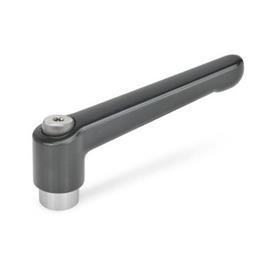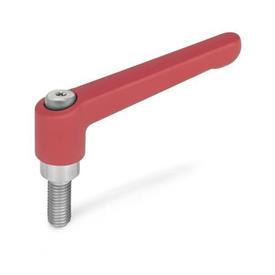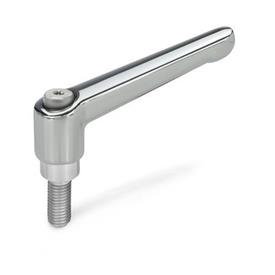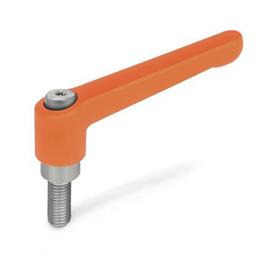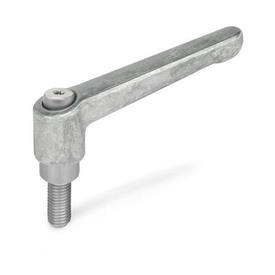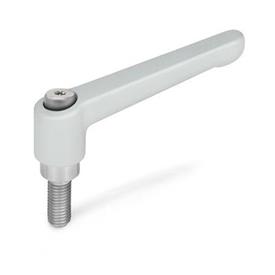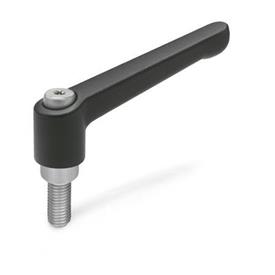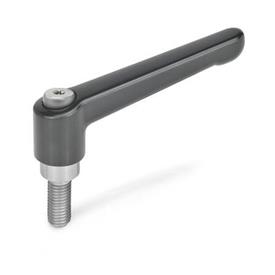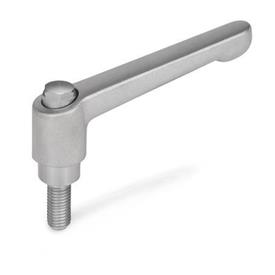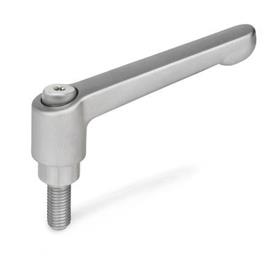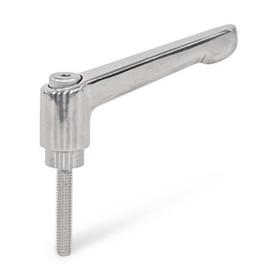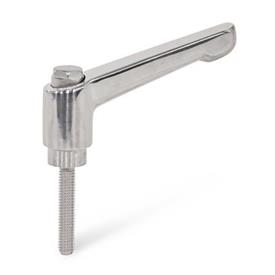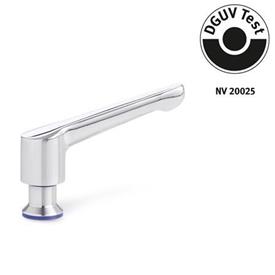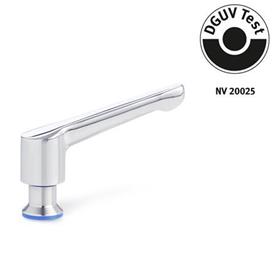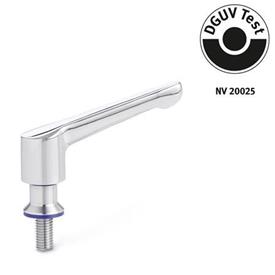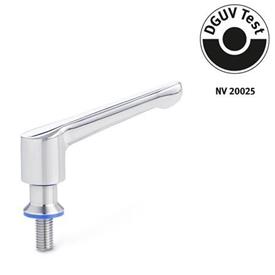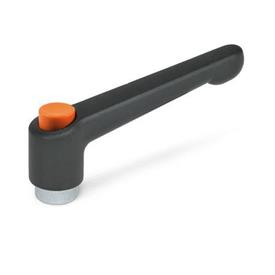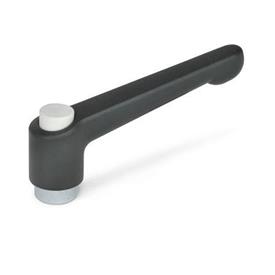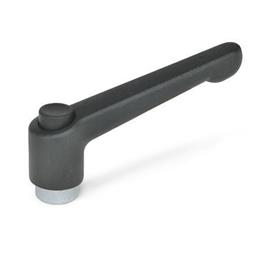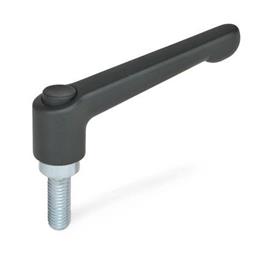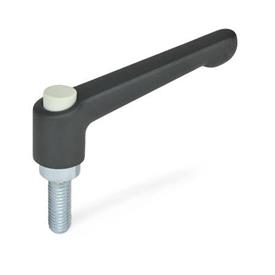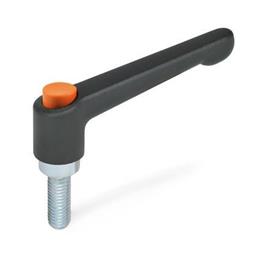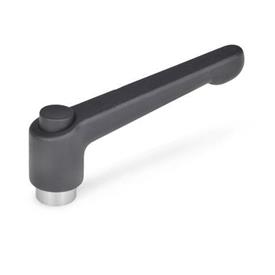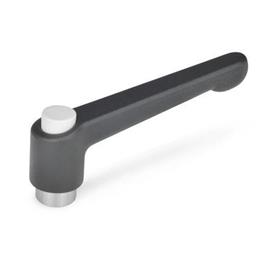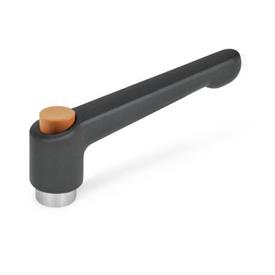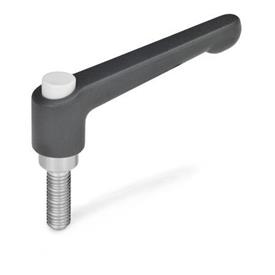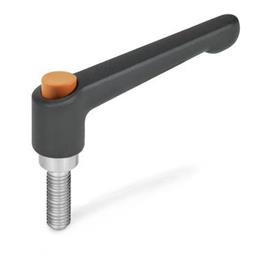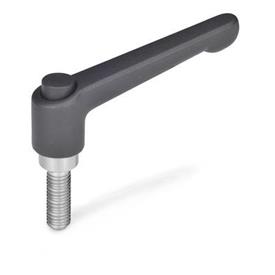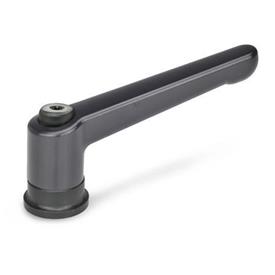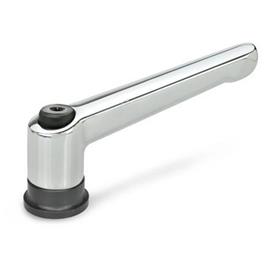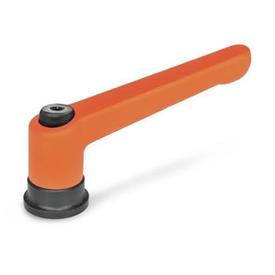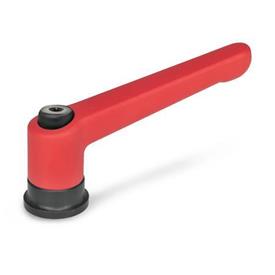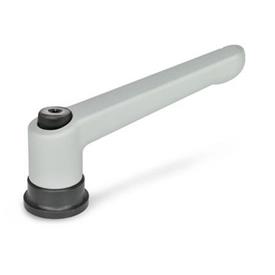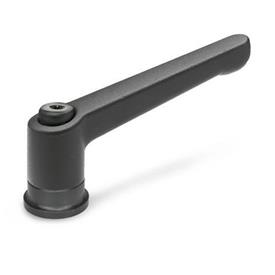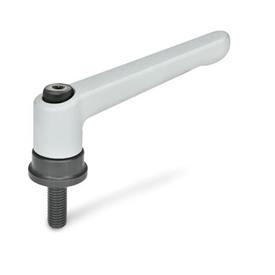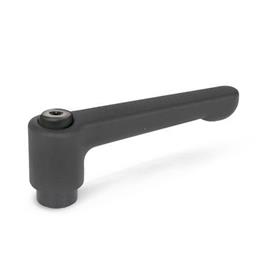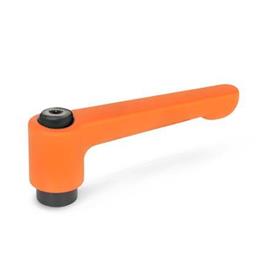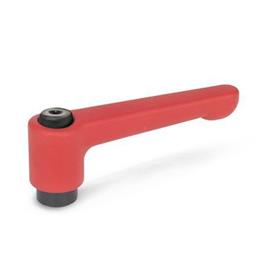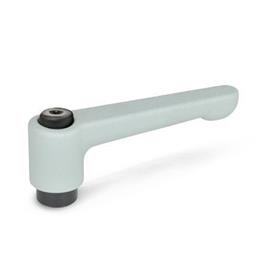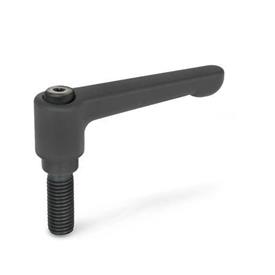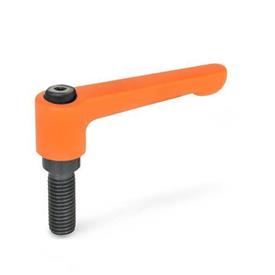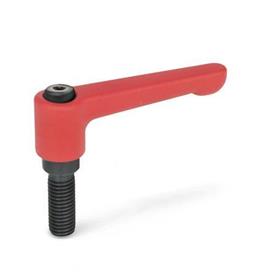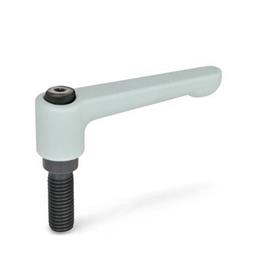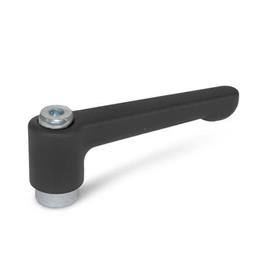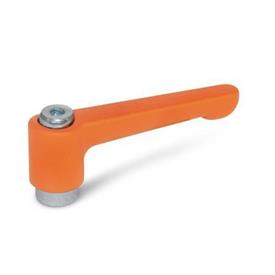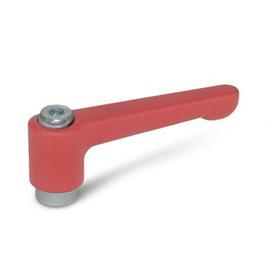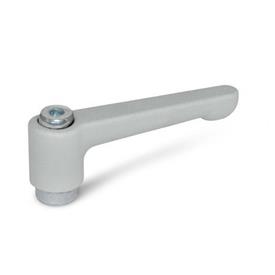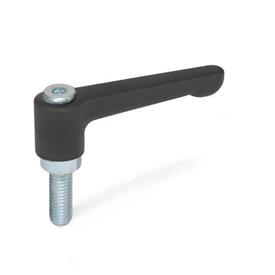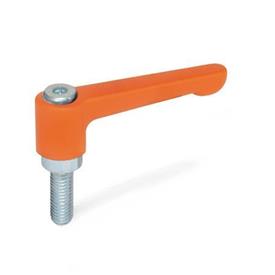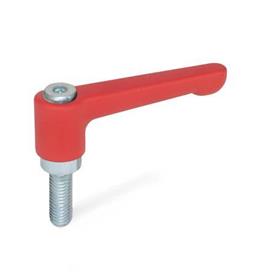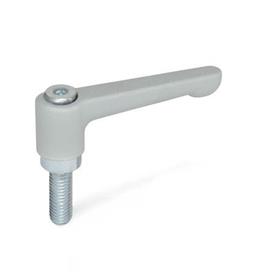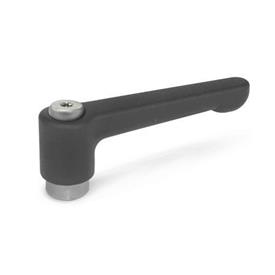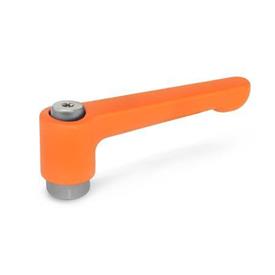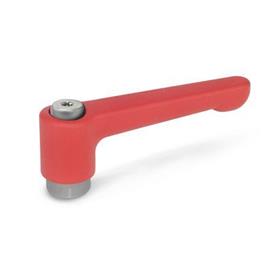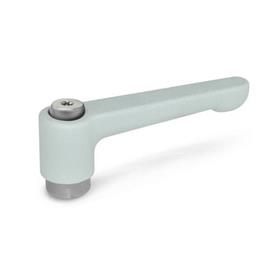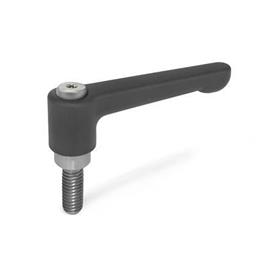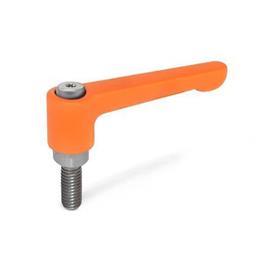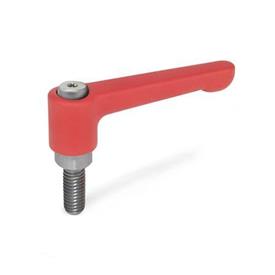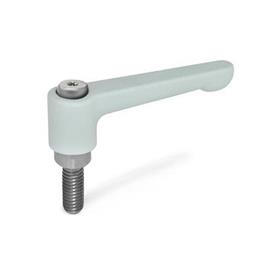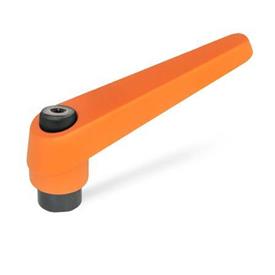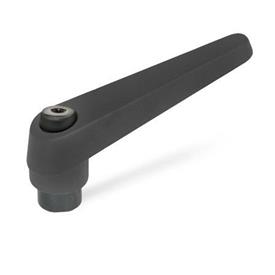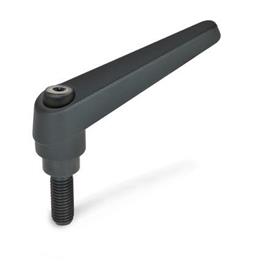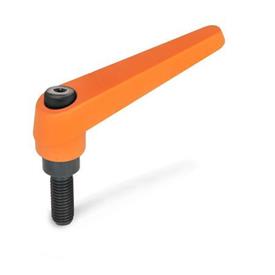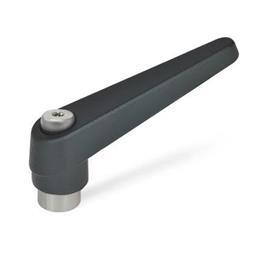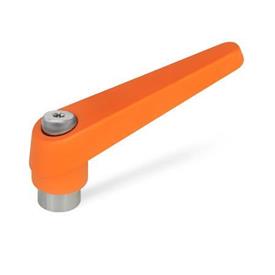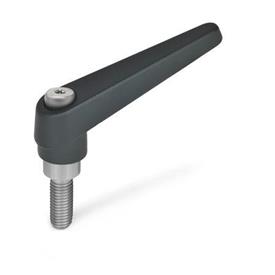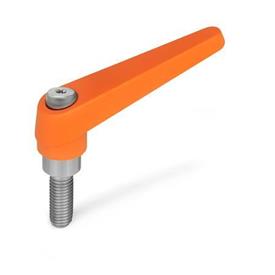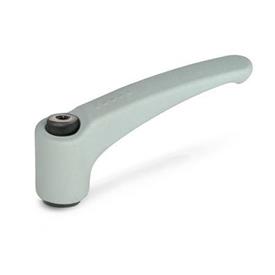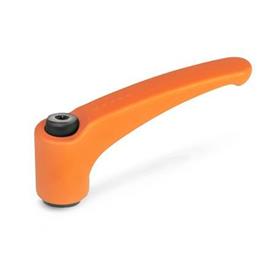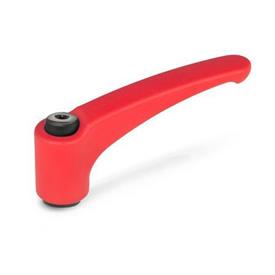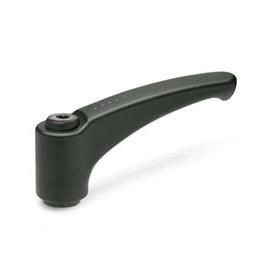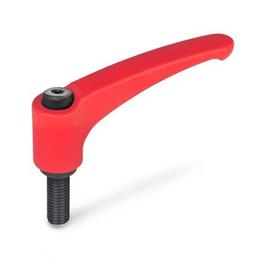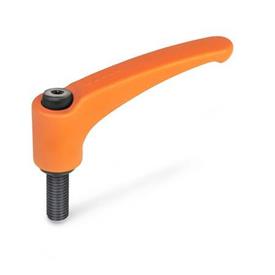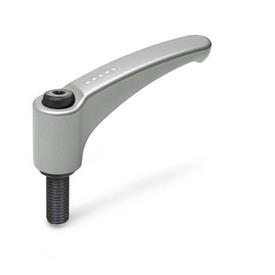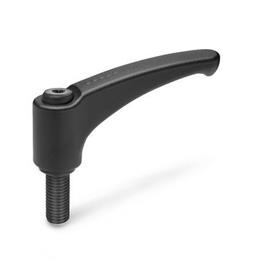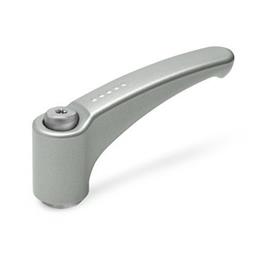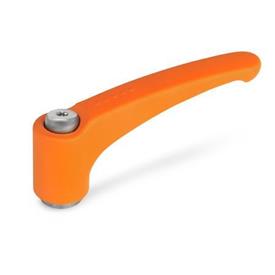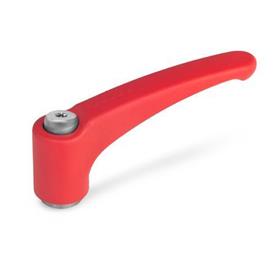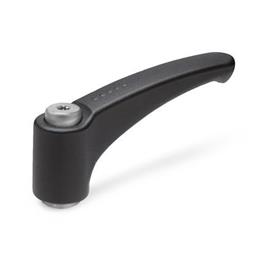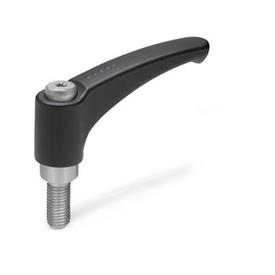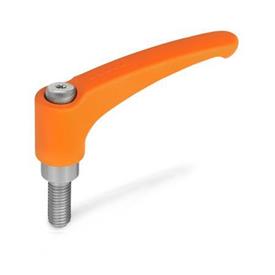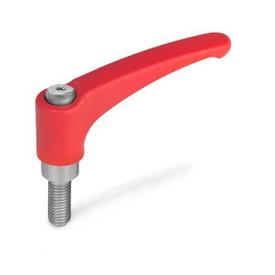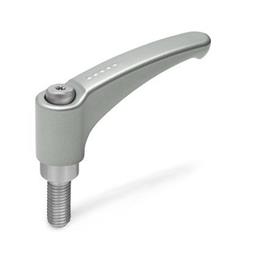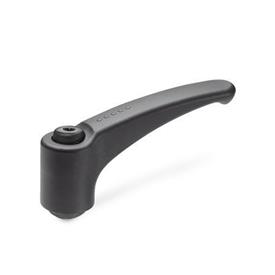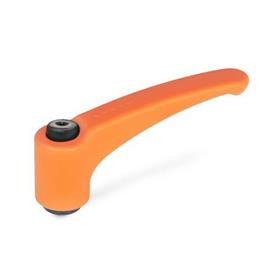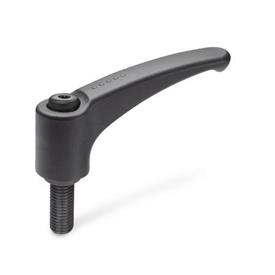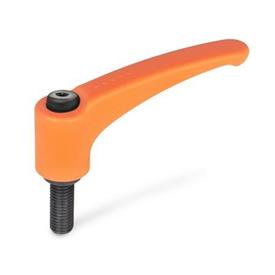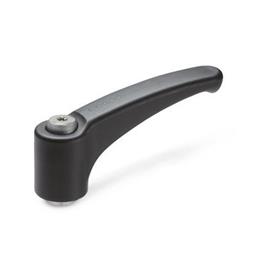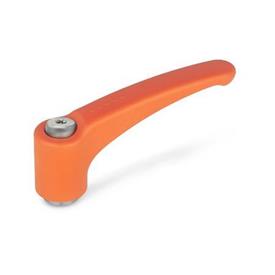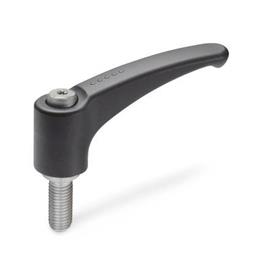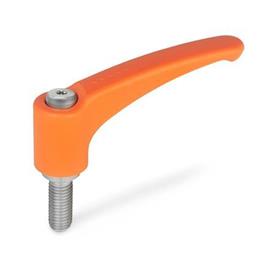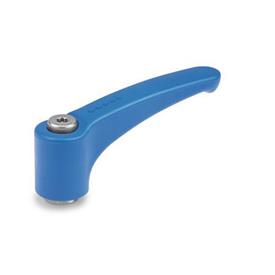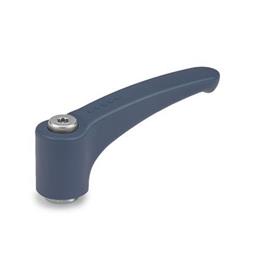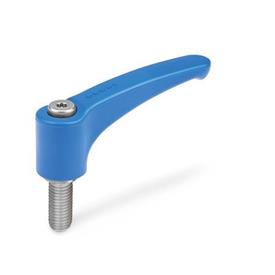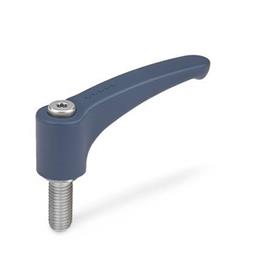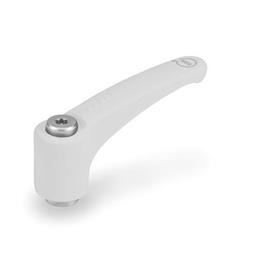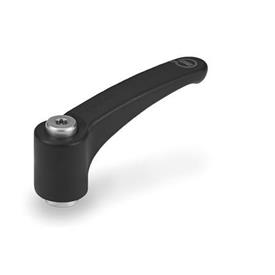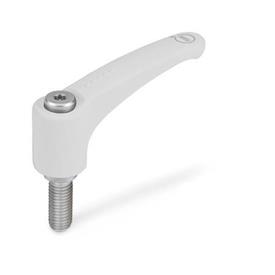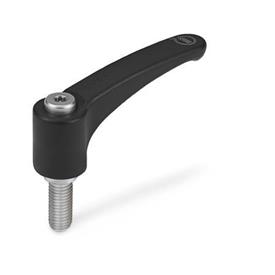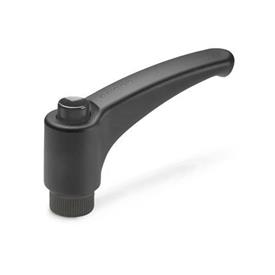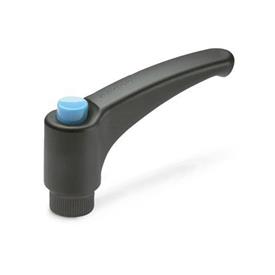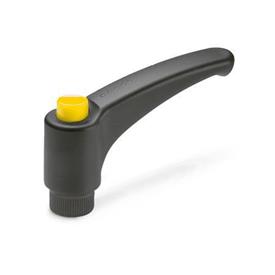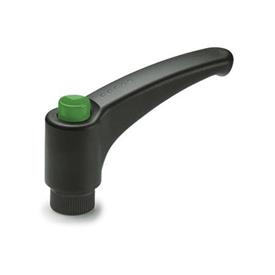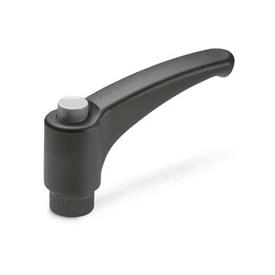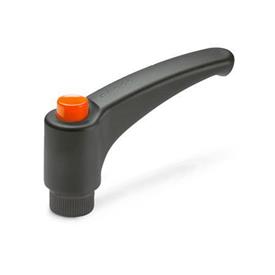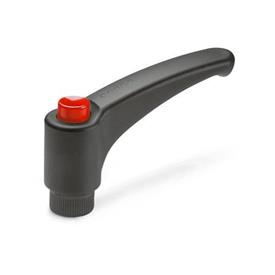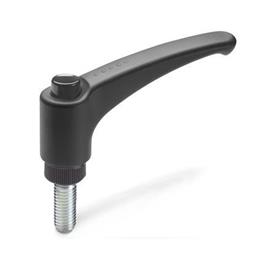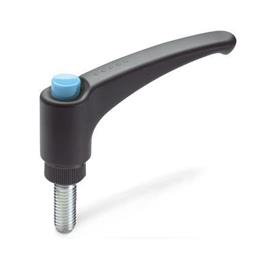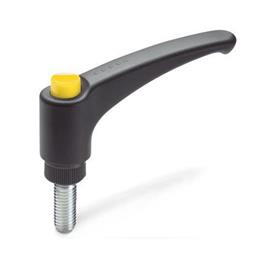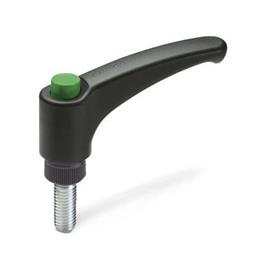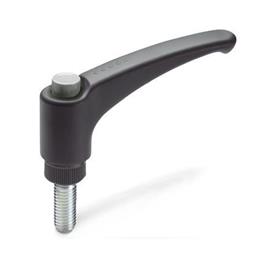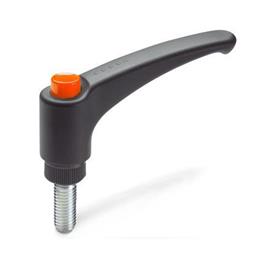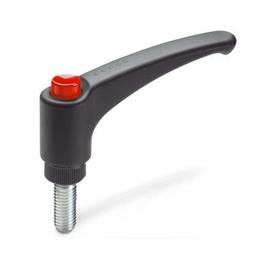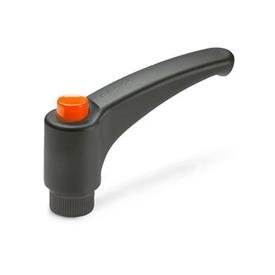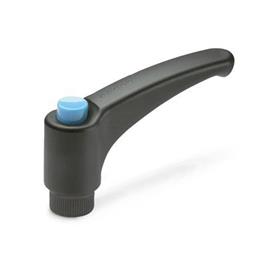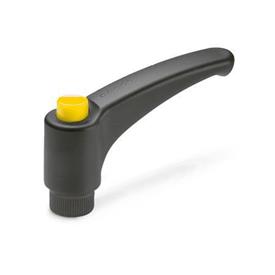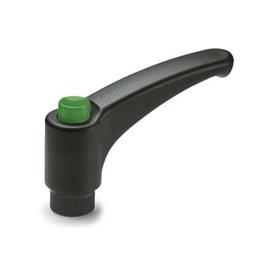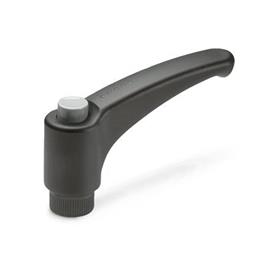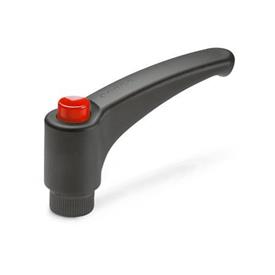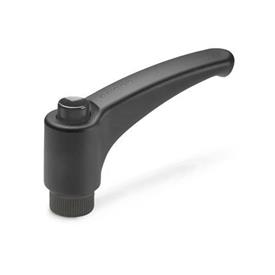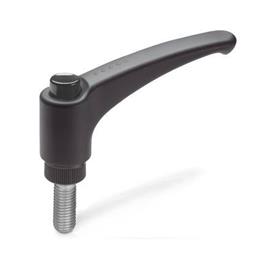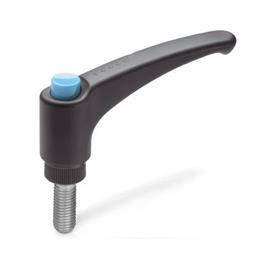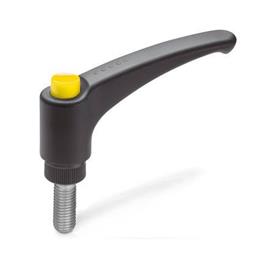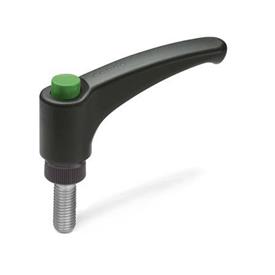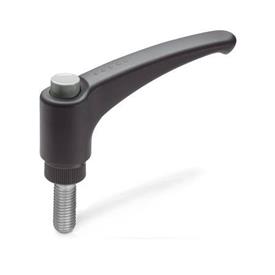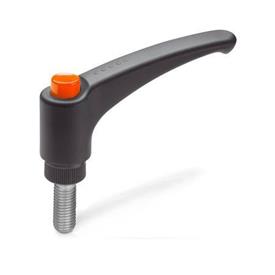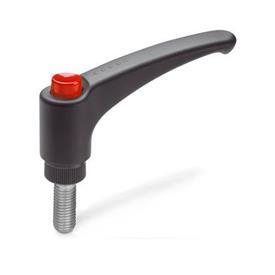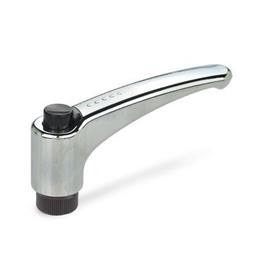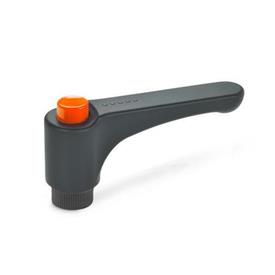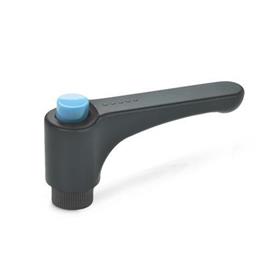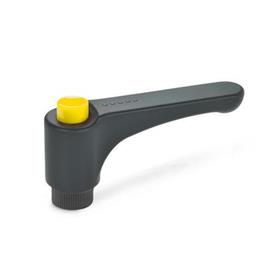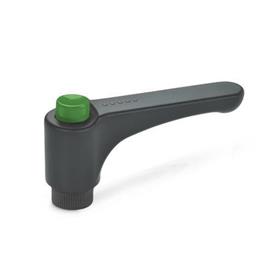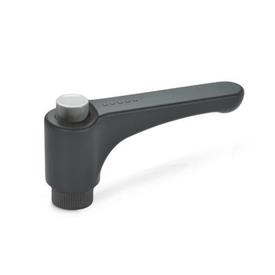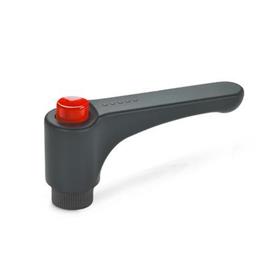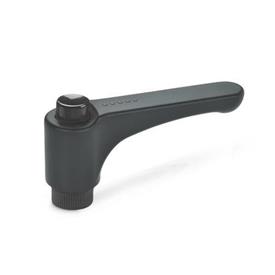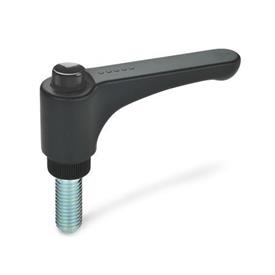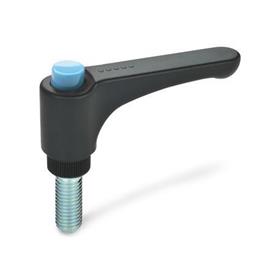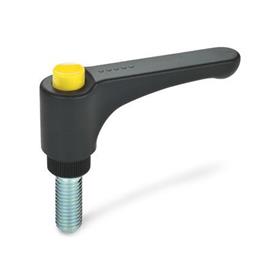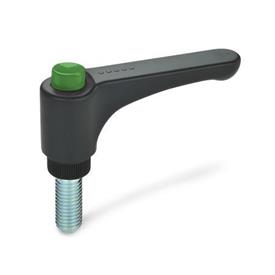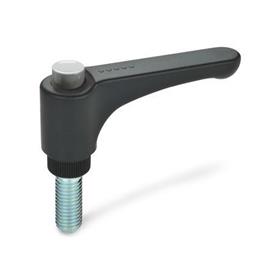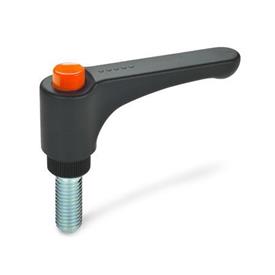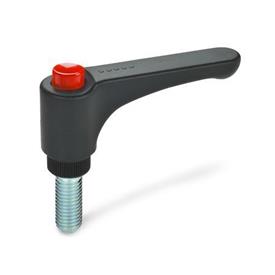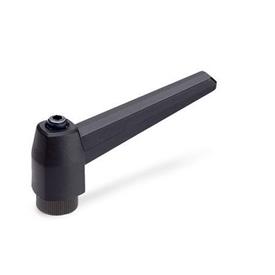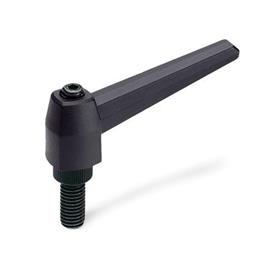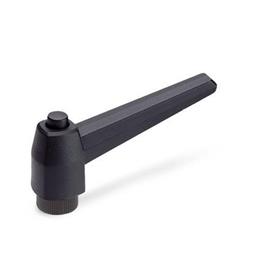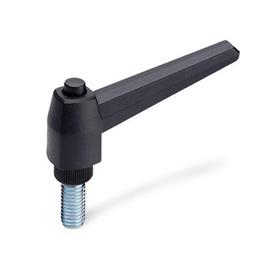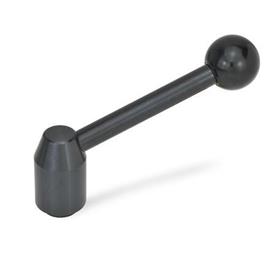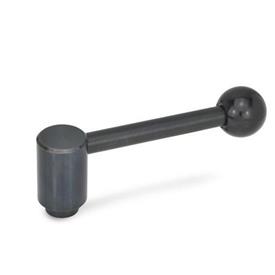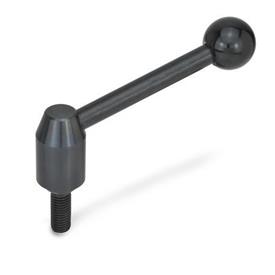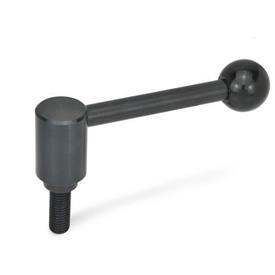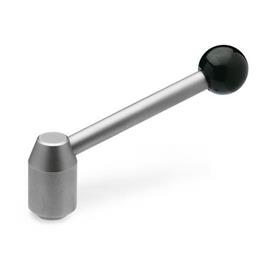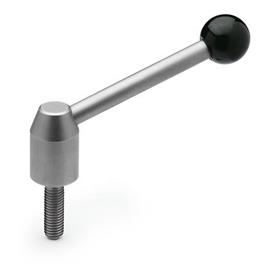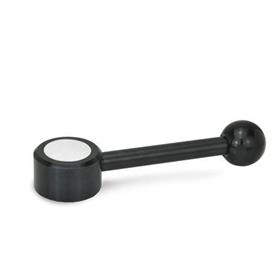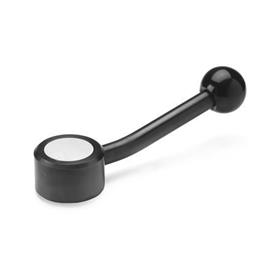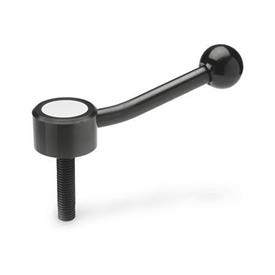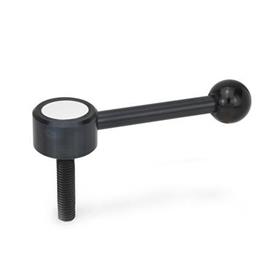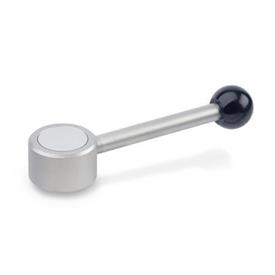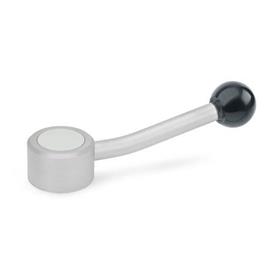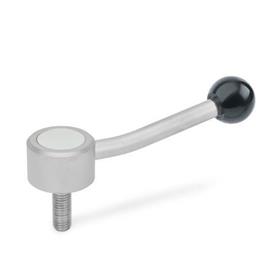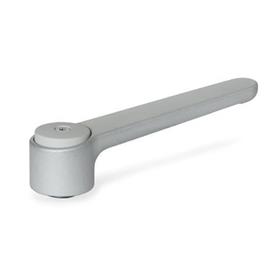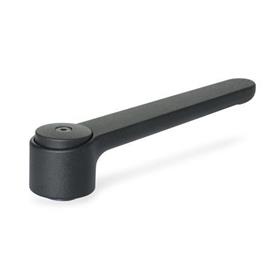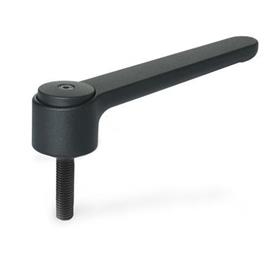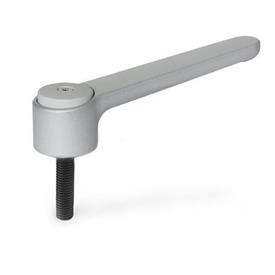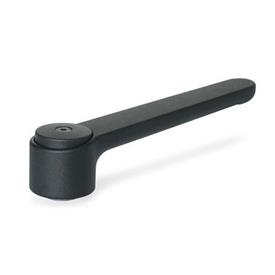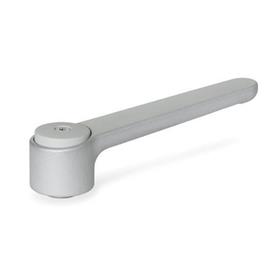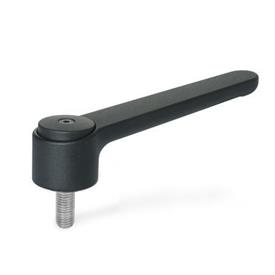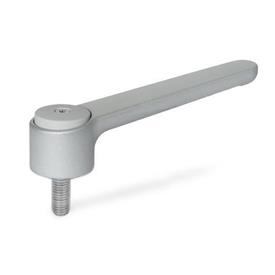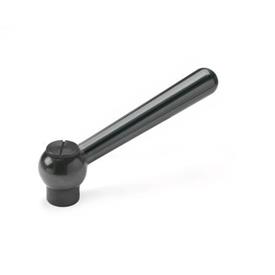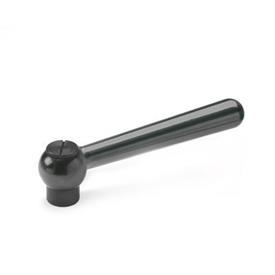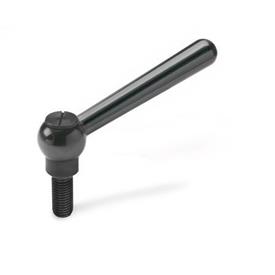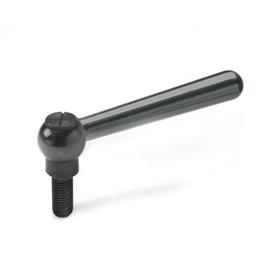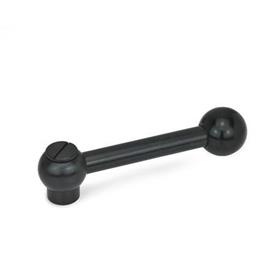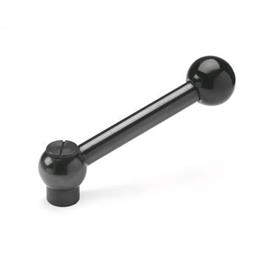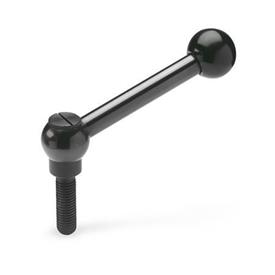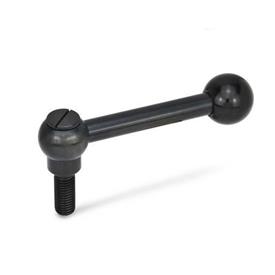
Manettes indexables et manettes à boule

Qu’est-ce qu’une manette indexable/manette à boule?

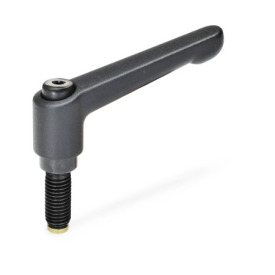
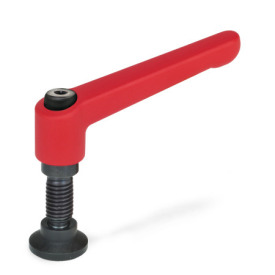
Les manettes indexables sont des pièces mécaniques utilisées pour serrer, fixer et régler des pièces ou des assemblages de machines.
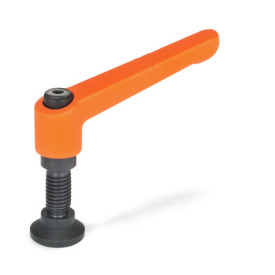
Elles permettent un serrage simple et rapide sans outils, ce qui les rend particulièrement indispensables dans la production et la construction de machines. Les manettes indexables et les manettes à boule sont idéales lorsque les pièces doivent être serrées dans un espace confiné ou dans une position particulière de la manette. Les inserts filetés sont reliés à la manette, mais peuvent être détachés.
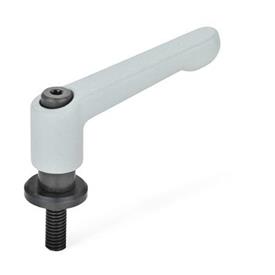
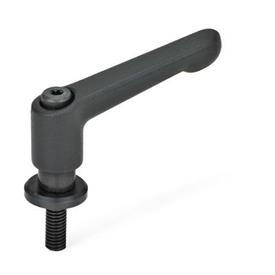
Comment les manettes indexables et les manettes à boule fonctionnent-elles?

Il suffit de soulever la manette pour la débrayer, puis de la tourner dans le sens voulu pour atteindre le nouvel emplacement désiré. La manette s’enclenche automatiquement lorsqu’on la relâche.

Pourquoi choisir les manettes indexables Ganter Norm?

Ganter Norm est synonyme de qualité, de fiabilité et de précision. Les manettes indexables Ganter se caractérisent par leur excellente fonctionnalité, leur conception ergonomique et la durabilité des matériaux utilisés. Cela les rend idéales pour les applications industrielles et garantit un serrage sûr même sous des charges lourdes.

Types de manettes indexables proposées par Ganter Norm

Ganter Norm propose une large sélection de manettes indexables, notamment :
Quels matériaux sont utilisés pour les manettes indexables Ganter

Pour quelles applications les manettes indexables sont-elles adaptées?

Les manettes indexables sont utilisées dans de nombreux domaines différents, tels que :

Manettes indexables pour applications spéciales proposées par Ganter

Avantages des manettes indexables Ganter Norm

Tailles de manettes indexables disponibles chez Ganter Norm

Ganter Norm propose des manettes indexables dans un large choix de tailles et de conceptions afin de couvrir de manière optimale diverses applications. Selon le modèle, la longueur des manettes varie entre 22 et 148 mm. Cela signifie que la manette indexable de droite peut être utilisée aussi bien pour les réglages précis que pour les applications nécessitant une force de serrage élevée. Les tailles de filetage disponibles vont de M3 à M20, avec un filetage interne ou externe, selon le type.

Aperçu des tailles disponibles :

  • Longueurs des manettes : de 22 à 158 mm
  • Tailles des filetages : M3 – M20
  • Types : indexable, avec déclenchement par traction ou pression
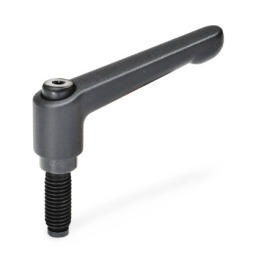
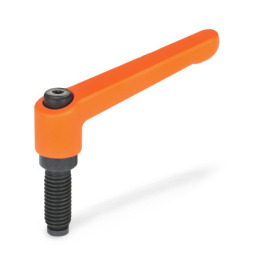
  • Que ce soit pour la construction de machines, la technologie médicale ou la fabrication industrielle, Ganter Norm offre la solution adaptée à chaque application grâce à sa large gamme de manettes indexables disponibles en différentes tailles.
    FAQ - Foire aux questions

    Filtrer produits
    Nouveaux produits
    Matériau
    Longueur (levier) (de - à) Longueur (levier)
    Filetage (de - à) Filetage
    Alésage (de - à) Alésage
    Longueur de goujon (de - à) Longueur de goujon
    Famille de produits

    Rien trouvé ? Demandes spéciales

    FAQ - Foire aux questions

    What is the difference between rigid and adjustable hand levers?

    The main differences between rigid and adjustable hand levers lie in their functioning principle and their advantages in specific applications:

    Rigid hand levers

    • Single part combining handle and hub, no adjustment of the lever angle possible.
    • During tightening or releasing, the entire lever turns along with the thread.
    • Recommended if sufficient space is available for full turning of the lever and when the operating angle is not important.
    Application example: Clamping actions in freely accessible locations without space problems, such as on machine covers or mounting plates.

    Adjustable hand levers

    • Two-part design: Lever arm and hub are separated by a latching mechanism.
    • The lever can be lifted for clamping/releasing and moved to a new position without also turning the hub.
    • Useful in confined spaces or where the swivel range is limited.
    • Allows optimal operating position even after multiple clamping cycles since the lever can always be repositioned.
    Typical application: Adjustment options on fixtures, machines or housings where space is tight or the freedom of movement is limited.

    Summary

    Choose a rigid hand lever when the available space and operating angle pose no restrictions and a simple, cost-efficient solution is desired. Adjustable hand levers are recommended in confined installation situations or when frequent readjustments are required.

    How does the adjustment of adjustable hand levers function?

    Adjustable hand levers from Ganter operate with an integrated latching mechanism.Raising the lever releases a spring that normally secures the connection between the lever and the threaded insert.In this released position, the lever can be moved to the desired position without turning the thread along with it.When the lever is released again, the serration re-engages – the lever can immediately be used for tightening or loosening.

    Advantages in use

    • Convenient operation even in confined spaces
    • No unintentional turning of the thread along with the lever
    • Quick repositioning to the optimal gripping position
    Typical use cases include securing machine parts, fixtures and operating elements for which the lever needs to be freely positioned after tightening.

    Selection of adjustable hand levers

    Ganter offers numerous versions, such as GN 300 and GN 302, in various sizes, materials and shapes.To make the right selection, check:
    • the required thread size
    • the available installation situation
    • the desired material (e.g. stainless steel for outdoor areas)

    Custom versions

    Special designs with unique colors or shapes are possible to optimally adapt the hand lever to your application.

    When should an adjustable hand lever be used in place of a conventional clamping screw?

    Adjustable hand levers are used wherever frequent and tool-free changing of tensioning or clamping positions is required. In contrast to typical clamping screws, adjustable hand levers can be operated without additional tools. The user lifts up the lever, moves it to the desired position and tightens it – perfectly suited for situations requiring frequent re-adjustment or setup changes.

    Typical use cases for adjustable hand levers

    • Quick retightening or loosening of connections on machine covers, protective elements and fixtures.
    • Simple adjustment of stops, guide rails or measurement instruments.
    • Workpiece changes at assembly or inspection stations
    • Clamping operations where there is not enough space to turn a screw

    Practical benefits of adjustable hand levers

    • The user can conveniently retighten or release the hand lever without being restricted to a specific starting position.
    • This means that secure clamping forces can be applied even in confined installation situations.
    • No tool is required, significantly speeding up adjustment and setup work and improving workplace ergonomics.
    • Ideal for applications in which clamping elements must be released or adjusted regularly.
    By using adjustable hand levers instead of typical clamping screws, you increase the efficiency and operating convenience, reduce the risk of tool loss and minimize downtimes. This allows users to respond flexibly to changing requirements, which noticeably simplifies processes.

    Which materials are available for adjustable hand levers?

    Adjustable hand levers from Ganter are available in various materials. This allows users to select precisely the right material for their application, such as for environments with a high risk of corrosion, when a specific look is desired or when hygiene requirements apply.

    Materials for adjustable hand levers

    • Zinc die casting: Most common version of adjustable hand levers. The surface is usually powder-coated. This results in a robust and easily maintained solution for a wide variety of industrial applications.
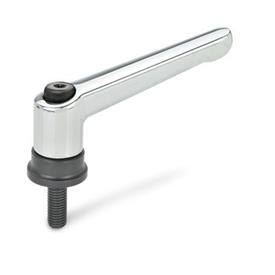
    • Stainless steel: Optimally suited for applications which call for corrosion resistance, hygiene or a high-class appearance. Stainless steel hand levers are frequently used in machine and plant construction or in food-processing equipment.
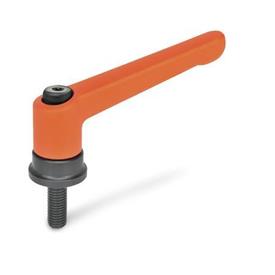
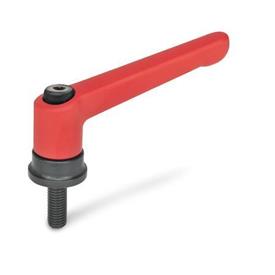
    • Plastic: Available for certain models – when mechanical requirements are less demanding, for instance. Plastic hand levers offer a surface that is easy to clean and are usually available in various colors. Ideal for visually appealing or especially light designs.
    • Steel: Lever components of steel are offered for a number of products, generally with galvanic zinc plating or a blackened surface for improved corrosion protection.
    Thanks to a broad selection of materials, you can precisely match the adjustable hand lever to the usage conditions – such as moisture, hygiene requirements or design preferences. For example, a stainless steel hand lever can be used in outdoor applications, while zinc die casting is preferred in machine construction. Plastic versions are especially suited when low weight and color coding are important.
    Recommendations for selecting materials for adjustable hand levers

    • Check the eventual usage location as well as any special environmental conditions (moisture, chemicals, visibility).
    • Stainless steel is recommended for environments that pose a risk of corrosion or high hygiene requirements.
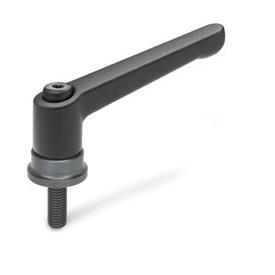
    • Zinc die casting offers a long-lasting and economical solution for standard applications.
    • Plastic is particularly suited for lightweight applications or when a specific color coding is desired.
    This allows you to conveniently select the right adjustable hand lever that reliably meets your requirements.

    How does the serration prevent unintentional movement of the hand lever?

    The adjustable hand levers, also called tensioning levers, from the “Tensioning, Clamping, Switching with Levers” product family, feature serration. This serration ensures that the hand lever remains fixed in the selected position after operation and cannot be turned accidentally. Once the lever is released, the serration engages with a positive connection.

    Functioning of the serration on adjustable hand levers

    • The serration is situated between the lever and the base body or screw.
    • When lifted, the lever disengages so that it can be shifted to an ergonomic position for use.
    • When the lever is released again, the teeth of the serration engage with a non-positive connection, preventing the hand lever from being turned accidentally.
    • The lever can only be adjusted by intentionally lifting it (or pulling or pressing, depending on the design).

    What does this mean in practice?

    The user can flexibly position the adjustable hand lever without releasing the clamping force, and the lever cannot be accidentally turned during use. This ensures convenient and reliable securing of machine or plant components. This feature is ideal for confined spaces or applications where rotating of the lever would cause problems.

    Advantages of the serration on hand levers

    • Increased operating reliability thanks to secure retaining of the lever position
    • Flexible and ergonomic adjustment of the clamping position
    • Prevents mistaken operation or accidental release during use
    • Simple handling for the user since the lever can be repositioned at any time
    This allows the user to work conveniently and safely in various mounting situations. The serration is thus a central safety and convenience feature for the daily use of adjustable hand levers.

    Can adjustable hand levers be delivered in customer-specific designs?

    Ganter can also deliver adjustable hand levers in customer-specific designs. You can order hand levers according to your requirements if the standard designs do not meet your needs. Alterations to the handle geometry, color and special labeling are possible. Special material requests and specific holes as well as internal or external threads can also be realized.

    Individual solutions for adjustable hand levers

    • Choice of lever color for clear visual indication of your model ranges.
    • Special handle shapes or surfaces for ergonomic or tactile requirements.
    • Customer-specific thread lengths or types (e.g. internal thread, external thread, deviating thread pitches).
    • Laser-engraved logos, article numbers or symbols for clear product identification.
    • Selection of alternative materials, such as plastic levers with stainless steel insert for increased corrosion resistance.

    Your practical advantages

    Adjustable hand levers from Ganter can be adapted precisely to your requirements for a specific machine or assembly. This improves the user experience, simplifies integration and reduces installation work. For example, a specifically designed hand lever permits easy operation in hard-to-reach locations or prevents collisions in confined spaces. The color coding helps operating personnel more quickly identify the associated functions and avoid errors.

    Procedure for special designs

    • Contact Ganter’s customer service with your inquiry and describe the desired design and required part volume in as much detail as possible.
    • Provide drawings, sample parts or specifications in order to receive a detailed offer.
    • Ganter’s development team will provide you with technical advice as well as a feasibility assessment.
    • After approval of the customer-specific solution, you will receive prototypes or serial deliveries precisely according to your requirements.
    Customer-specific adjustable hand levers are ideal in projects in which standard products are not optimally suited or when there are special requirements on ergonomics, design, labeling or functionality. This allows you to realize your application easily, reliably and efficiently.

    Are there safety versions of adjustable hand levers that prevent unintentional release?

    Ganter offers special safety versions that prevent accidental release in the “Adjustable Hand Levers, Tension Levers” product family. An example of a typical safety design is an adjustable hand lever with safety function, such as type GN 604.2 or GN 312, which can only be adjusted after pushing on the lever. The user must intentionally activate the safety release in order to trigger the clamping function.

    Functioning of the safety versions

    • The levers are equipped with an additional locking function.
    • Adjusting or releasing the lever is only possible when this safety release has been intentionally activated.
    • After letting go of the safety release, the lever automatically engages again to prevent accidental opening.

    Practical benefits of the safety versions of adjustable hand levers in use

    With the safety versions of hand levers, you can ensure that the connection will not release on its own even in the case of vibrations, impacts or accidental contact. This increases the process reliability – especially in safety-relevant or high-stress applications, such as in machinery and in manufacturing equipment, where typical hand levers could open unintentionally due to vibrations or contact by people.

    Recommendation for product selection

    • In situations with increased requirements on work safety or process reliability, it is recommended to use safety hand levers such as GN 604.2 or GN 312.
    • The safety versions offer the same flexibility as standard hand levers and are convenient to operate. They require no additional tools.
    • Ideally, they should be used anywhere that unintentional release must be prevented – especially in maintenance-intensive machines or freely accessible operating elements.
    This allows the user to respond flexibly to various safety requirements and reliably prevent accidental operation.

    How is a hand lever repositioned after making an adjustment?

    Adjustable hand levers from Ganter’s “Adjustable Hand Levers, Tension Levers” product family have a ratchet function. After releasing the hand lever, it can be lifted and turned back to any initial position without affecting the clamping connection. In other words, the user manually resets the position by lifting the lever and returning it to the desired position after completing the adjustment.

    Practical benefits of repositioning hand levers

    By repositioning hand levers, the user can easily avoid obstacles or deal with difficult spaces and always position the hand lever in an ergonomically sound way. Ideal for applications where little room is available or the lever cannot be fully rotated.

    Procedure for convenient repositioning

    • Lift the lever (pull it up or turn it in the release direction, depending on the design).
    • Move the lever to the desired starting position.
    • Release the lever again – the serration engages and the lever is ready for the next operation.
    This allows an adjustable hand lever to be conveniently and flexibly used even in confined spaces. Users save time and enjoy more reliable operation since the lever always remains accessible. Typical Ganter products with this function include the GN 300, GN 300.1 and GN 302 adjustable hand levers.

    Are adjustable hand levers also approved for medical equipment?

    Adjustable hand levers from the Ganter selection are generally designed as standard parts and are used in many different industries, including machine and plant construction and sometimes in medical applications. However, there is no explicit, general approval for use in medical equipment.

    What does this mean in practice?

    As manufacturer, Ganter offers adjustable hand levers with various material options, including stainless steel versions that have elevated corrosion resistance and improved hygiene properties. These are suitable for environments that place demanding requirements on cleaning and long lifespan. Nevertheless, before using them in a medical device, you as user or buyer must always check whether the respective product satisfies the required industry requirements or standards (e.g. FDA compliance or MDR guidelines). This allows the user to ensure that all statutory, safety or hygienic requirements are met in the specific case.

    Typical criteria for use in medical applications

    • Materials used: Stainless steel, heavy duty plastics, FDA-compliant materials
    • Cleanability and hygienic conditions
    • Furnishing of specific approvals or certificates (e.g. material confirmations)
    If you plan to use an adjustable hand lever for a medical device, it is recommended to consult with Ganter Support before making a selection or placing an order. This will allow for assessment of product-specific material certificates, cleanroom suitability or possible custom productions. The convenient operation and flexibility of adjustable hand levers can also be a decisive advantage in medical applications – ideal for situations which call for precision and easy handling under hygienic conditions.

    Recommendation for making your decision

    • Evaluate the intended hygiene and material requirements of your device.
    • Consult Ganter regarding special certificates (e.g. FDA-compliant materials).
    • Prefer versions of stainless steel when maximum hygiene is required.
    • In case of doubt, obtain individual advice to find an optimal solution that complies with the relevant standards.
    This will allow you to make an informed purchase decision and to use the adjustable hand lever correctly and legally even in challenging areas such as medical applications.

    Which adjustable hand lever versions are available for hygienically demanding applications?

    For hygienically demanding environments, adjustable hand levers are available that were specially designed for the strictest requirements for cleanliness and cleanability. In this product family, Ganter offers designs with smooth surfaces that have no dead spaces and with materials that live up to hygienic design guidelines.

    Typical features of hygienic hand levers

    • Stainless steel design (usually stainless steel 1.4404/AISI 316L)
    • Smooth, polished surfaces to minimize dirt build-up
    • No dead spaces or gaps where dirt could lodge
    • Specially sealed bearing points, screw connections and operating elements that prevent the penetration of dirt and liquids
    • Avoidance of exposed threads in the contact area

    Specific product selection for adjustable hand levers

    Within the “Adjustable Hand Levers” family, Ganter offers the hand lever GN 305 in hygienic design, for example. It is ideal for applications in the food and pharmaceutical industries as well as in cleanrooms. The design features allow for easy cleaning and meet the requirements of the EHEDG guidelines (European Hygienic Engineering & Design Group).

    Practical benefits for users

    The use of adjustable hand levers in hygienic design allows machine elements to be conveniently and securely fixed in place or adjusted even under difficult cleaning conditions. The user can carry out frequent cleaning cycles without time-consuming removal while reliably complying with hygiene standards. Ideal for applications in which product residues or microbes must be prevented at all costs.

    Recommendation for selection and use

    • For hygienic applications, select exclusively hand levers explicitly designated with “Hygienic Design”.
    • Look for a stainless steel versions and sealing features that ensure maximum cleaning convenience and reliability.
    • Use GN 305 or equivalent versions anywhere that requirements according to EHEDG or similar standards apply.
    This allows machines and plants in hygienically sensitive areas to be set up or adjusted efficiently, precisely and quickly.

    Votre contact

    Vous recherchez un partenaire Ganter à proximité ? Veuillez sélectionner le pays.

    Service Ganter

    Notre équipe de service est disponible du lundi au vendredi de 07:30 à 17:00

    Demande de prise de contact téléphonique