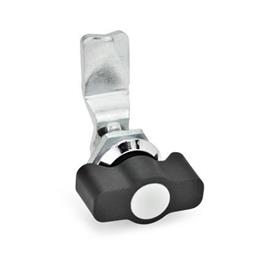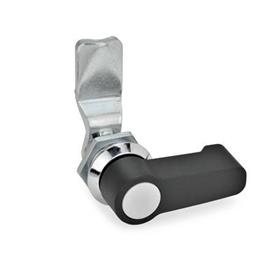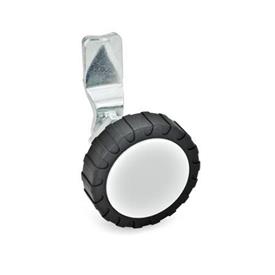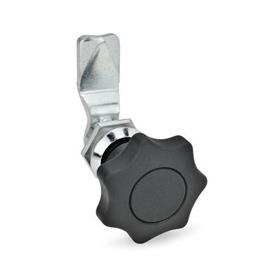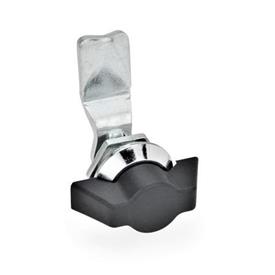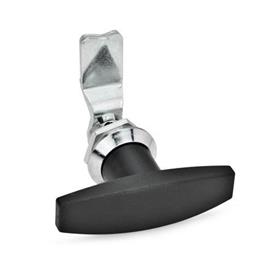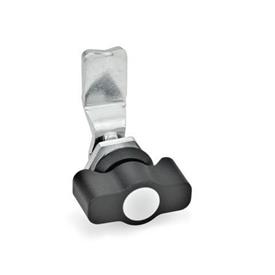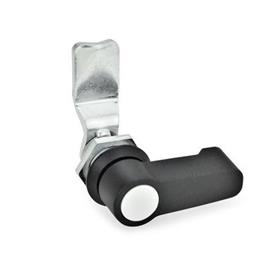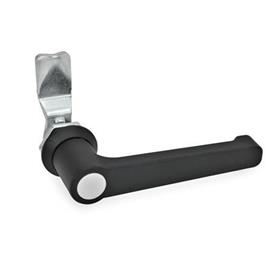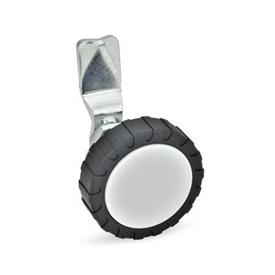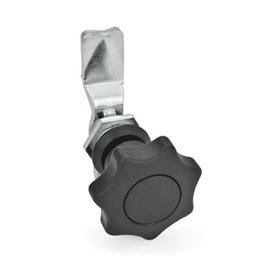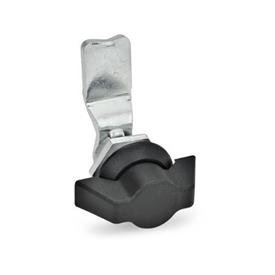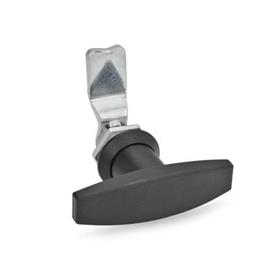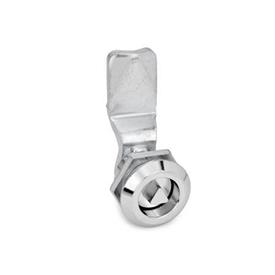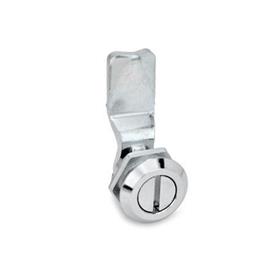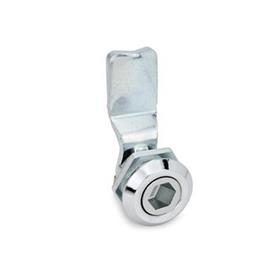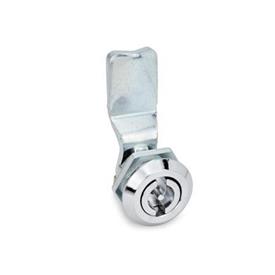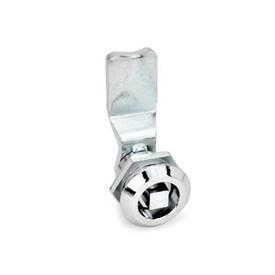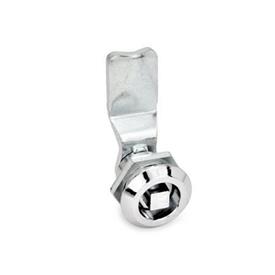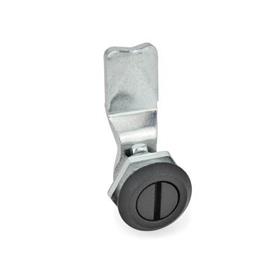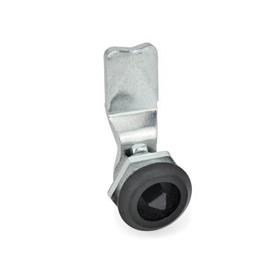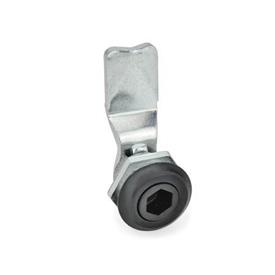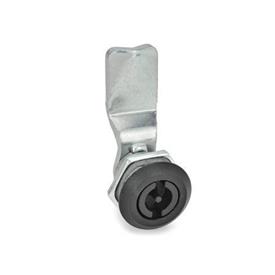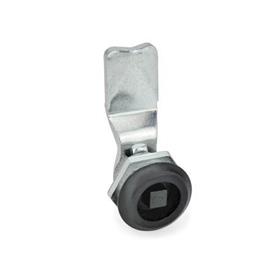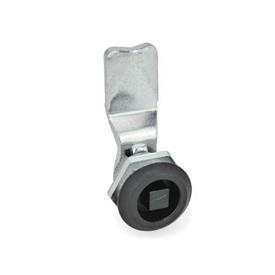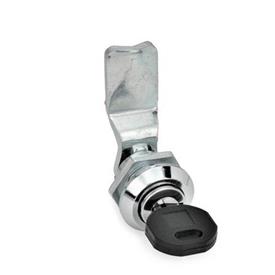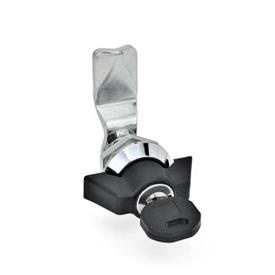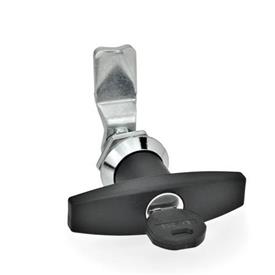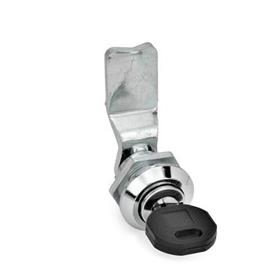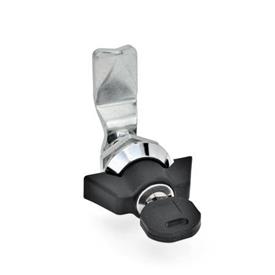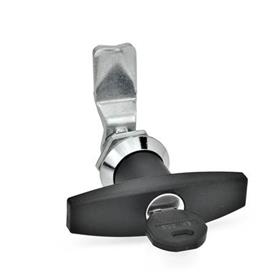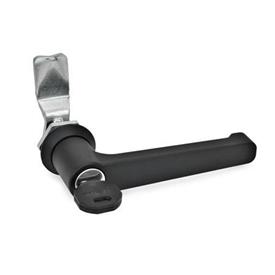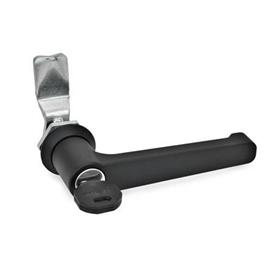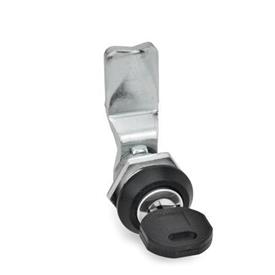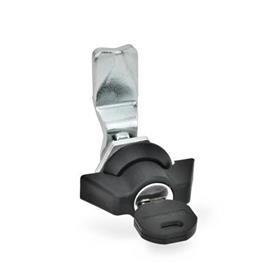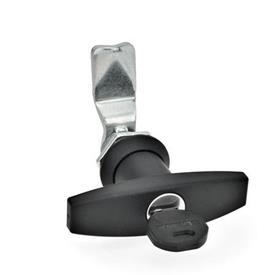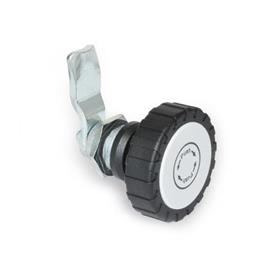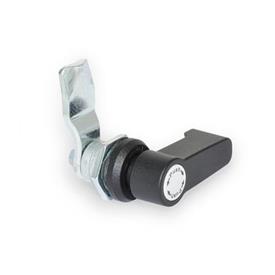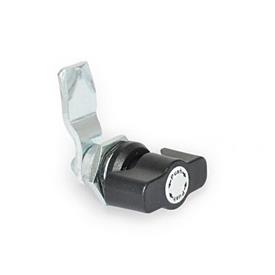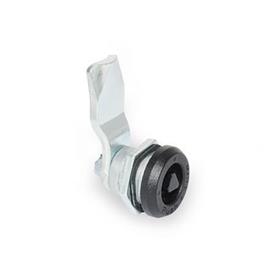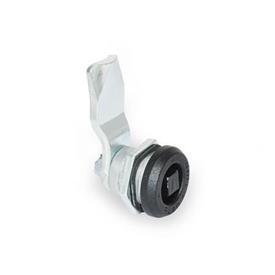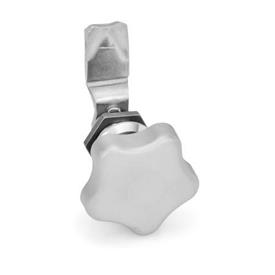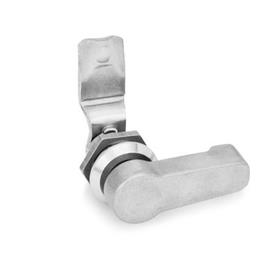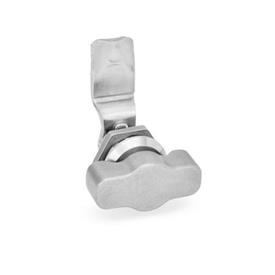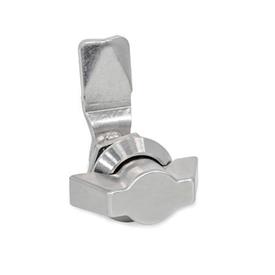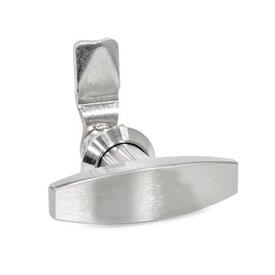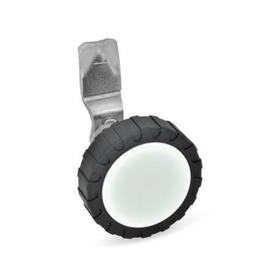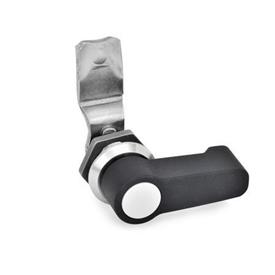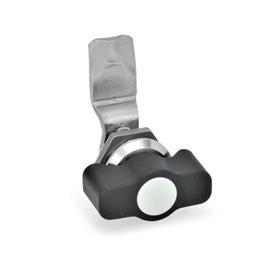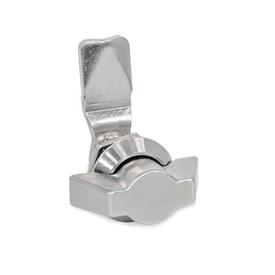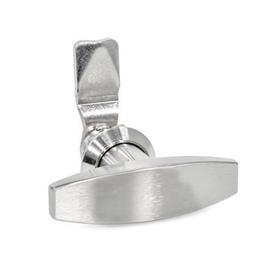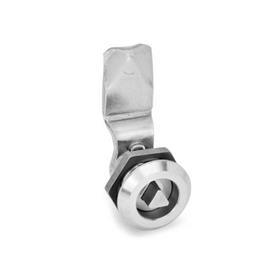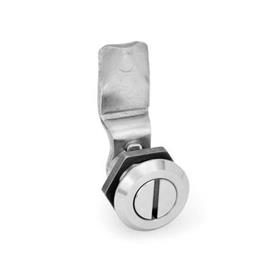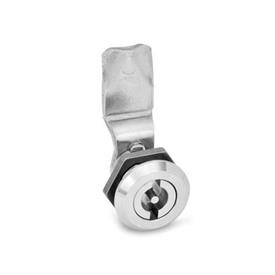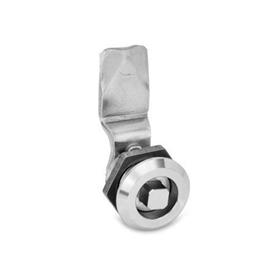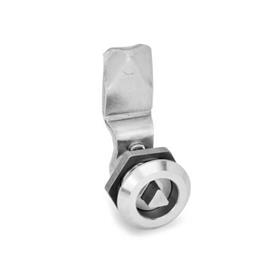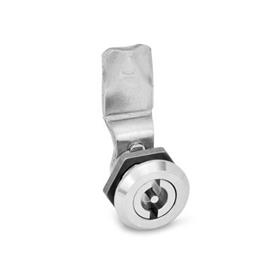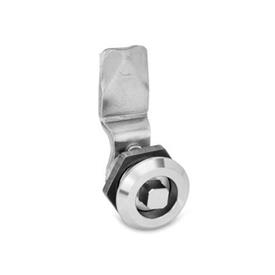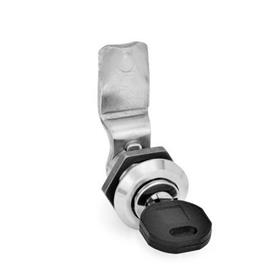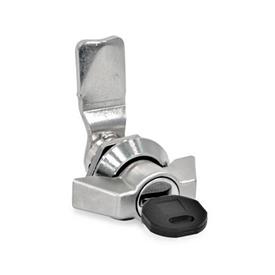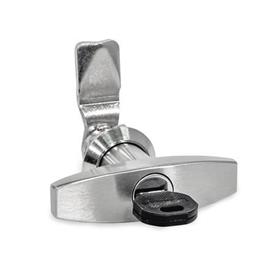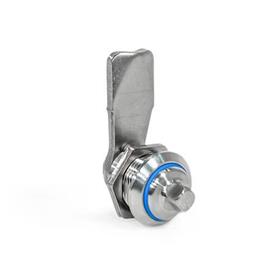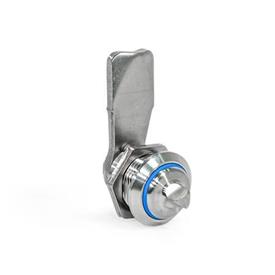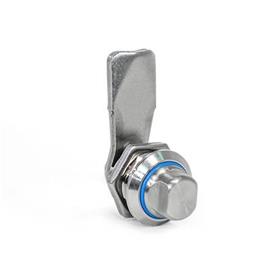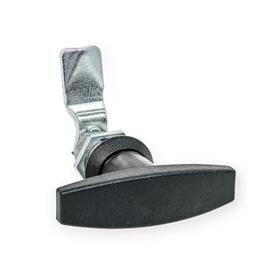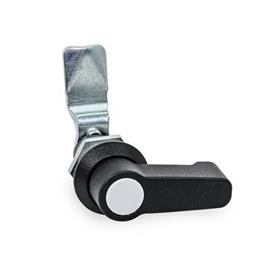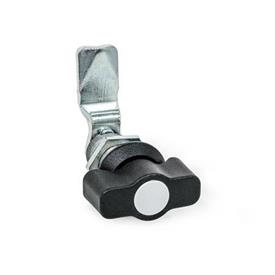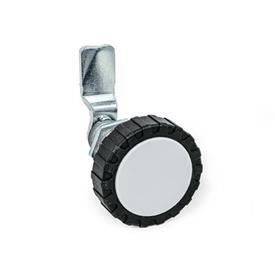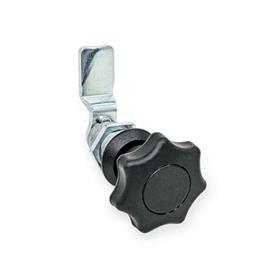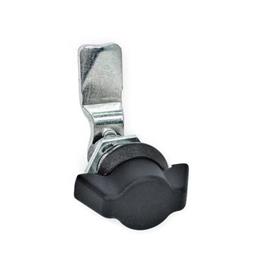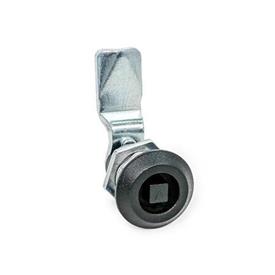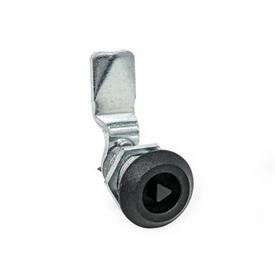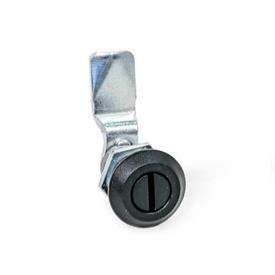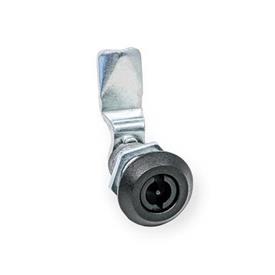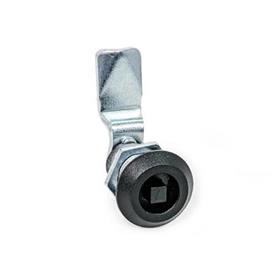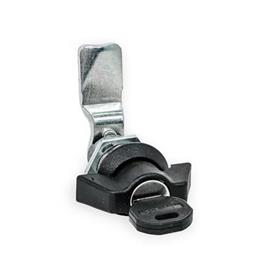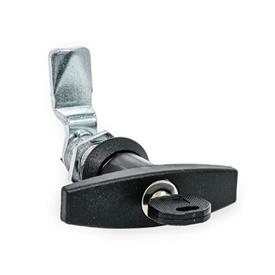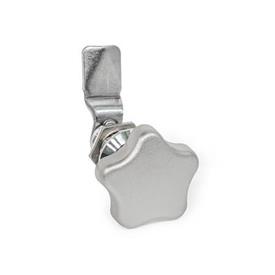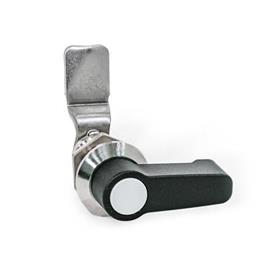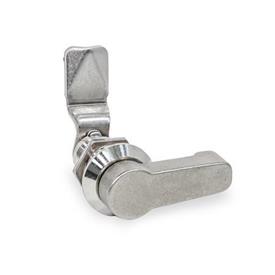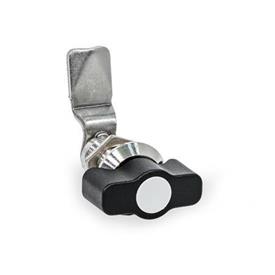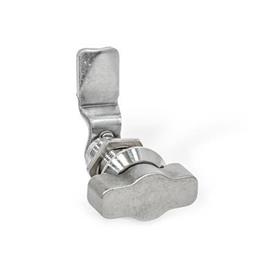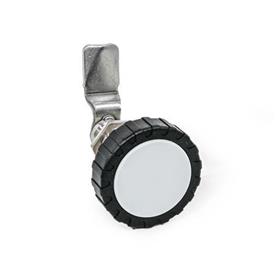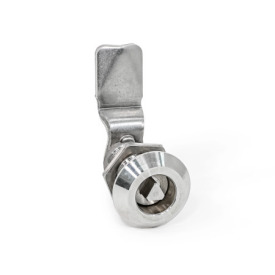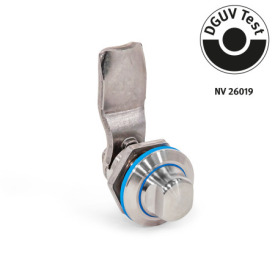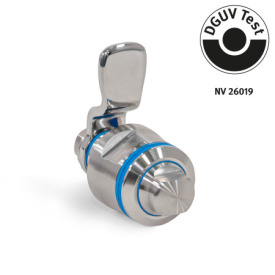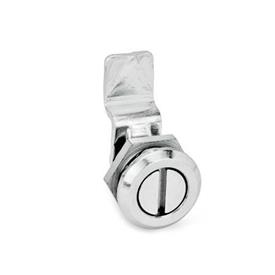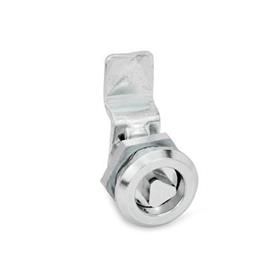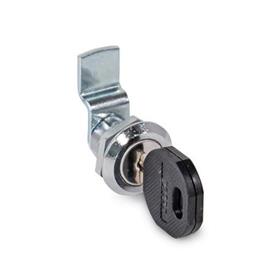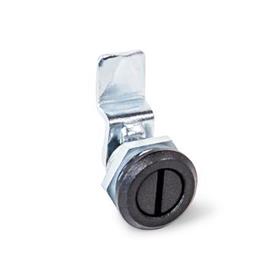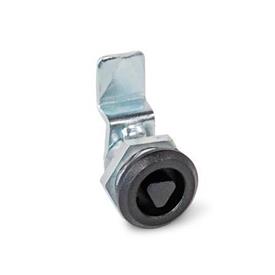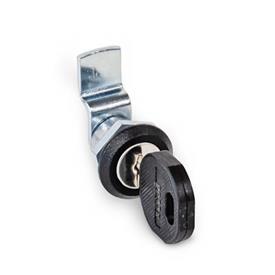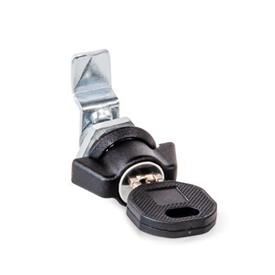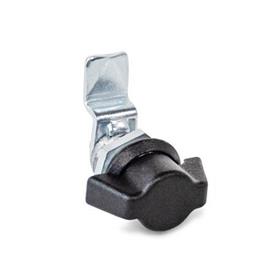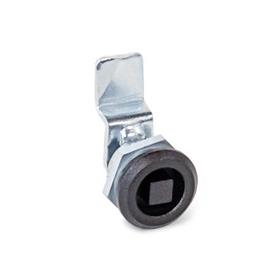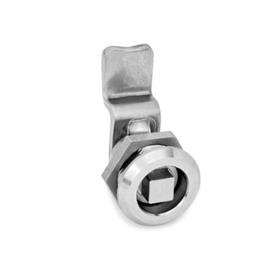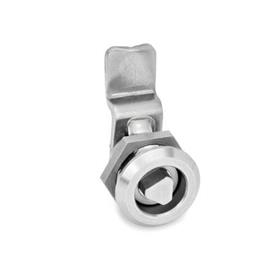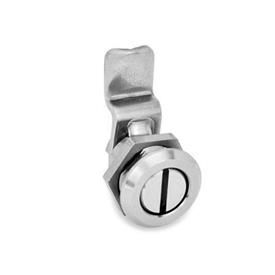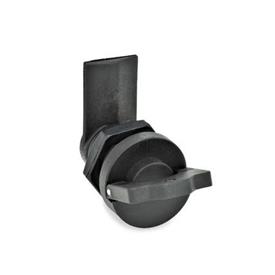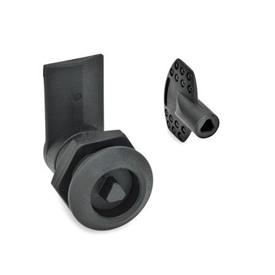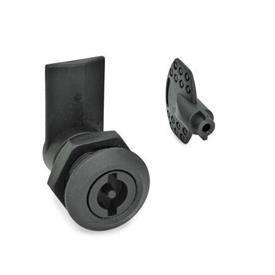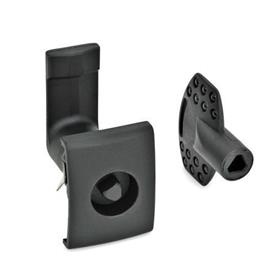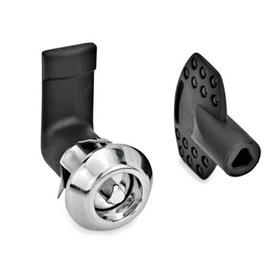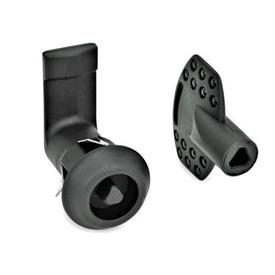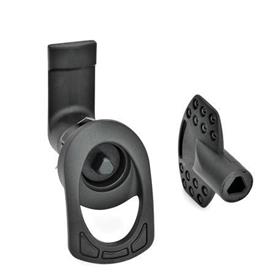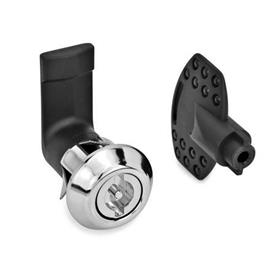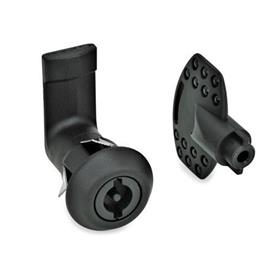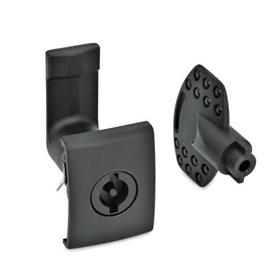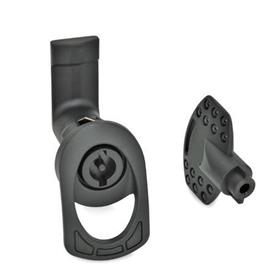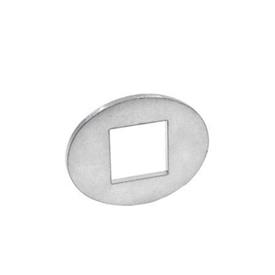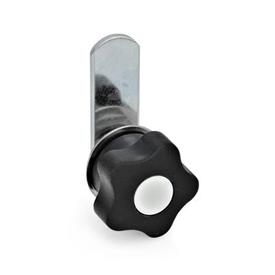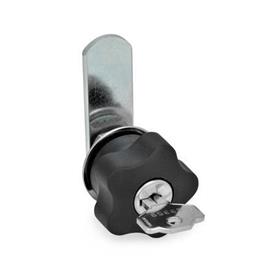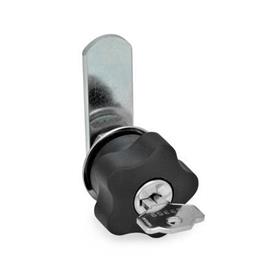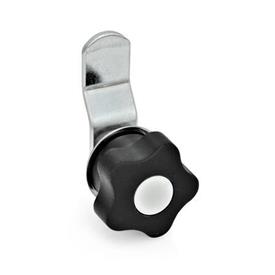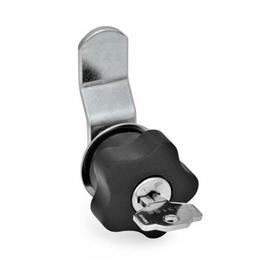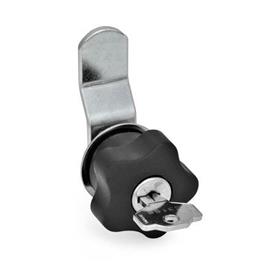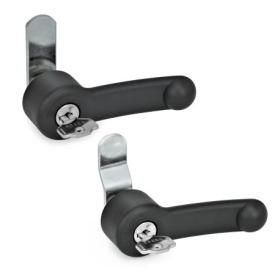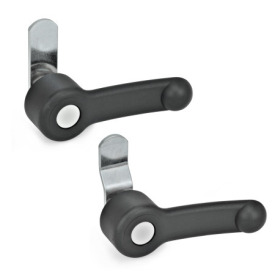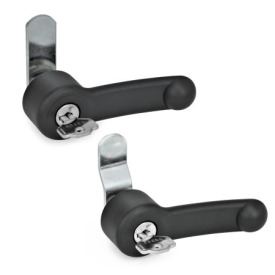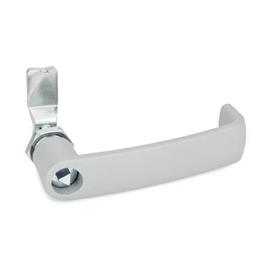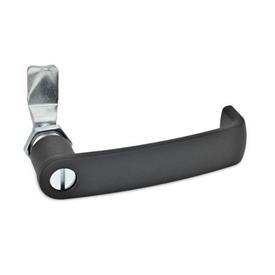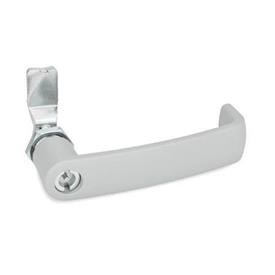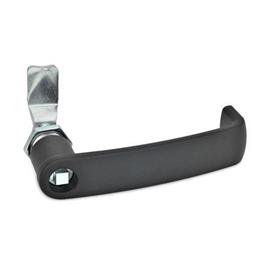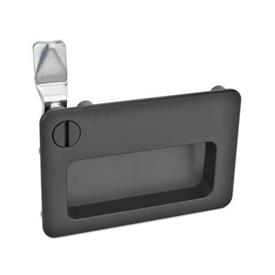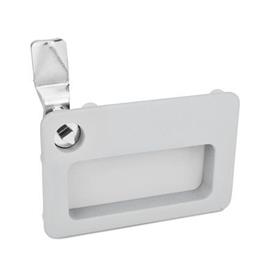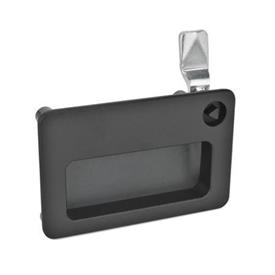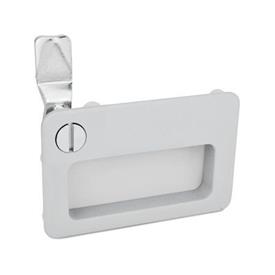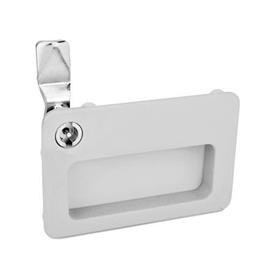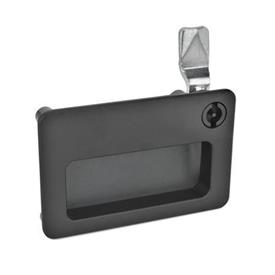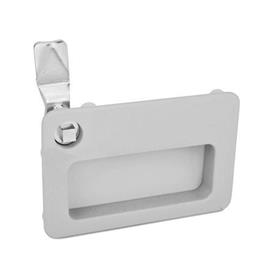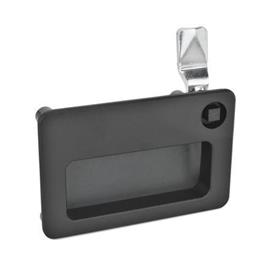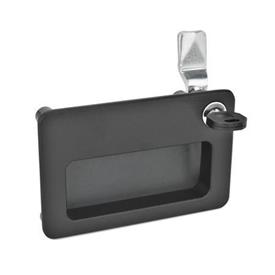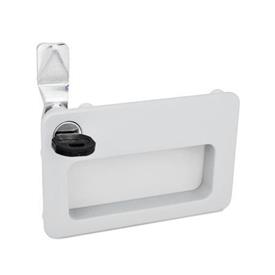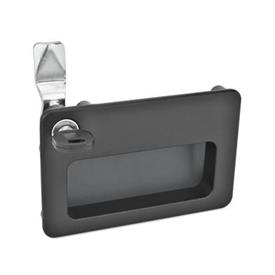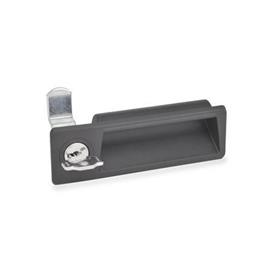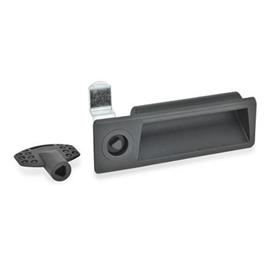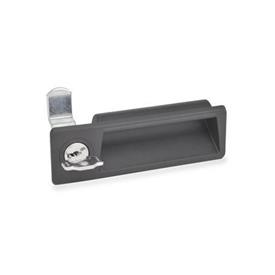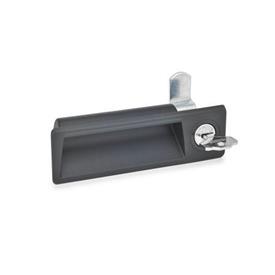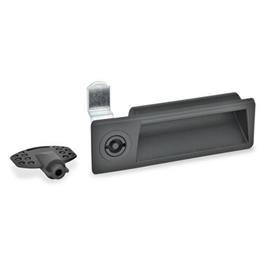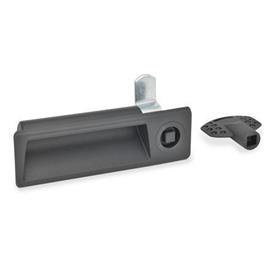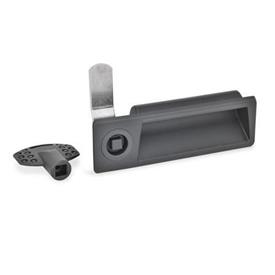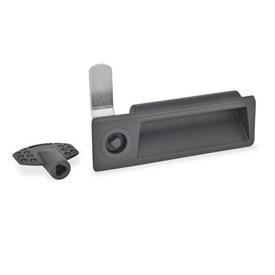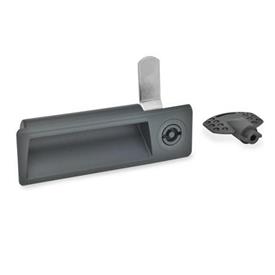
Chiusure senza funzione di bloccaggio

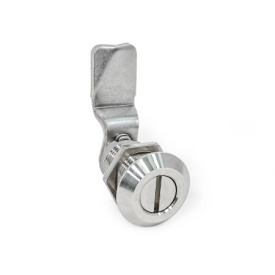
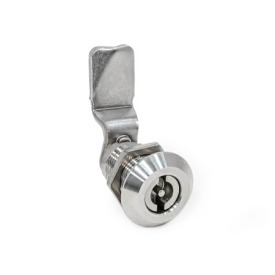
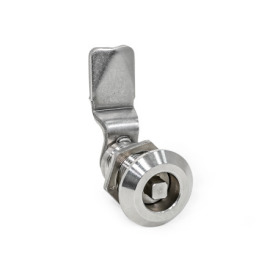
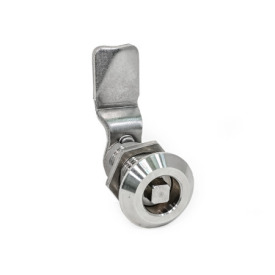
Le chiusure a camma, spesso chiamate chiusure a un quarto di giro, chiudono porte e sportelli con una rotazione di 90° dell’attuatore che sposta una linguetta di chiusura dietro il telaio. Gli smussi della linguetta semplificano la chiusura.

Sono disponibili chiusure a camma e a un quarto di giro per ogni esigenza. Sono disponibili chiusure a camma e a un quarto di giro per ogni esigenza.

Chiusure a camma

La chiusura a camma è un meccanismo semplice che consente di tenere una porta chiusa. Le porte degli stabilimenti industriali sono generalmente fissate su un lato con una o più cerniere che ne consentono l’apertura, mentre sull'altro lato il telaio integra un meccanismo di chiusura. Questo tipo di chiusura è chiamato chiusura a camma o a un quarto di giro.

FAQ - Domande frequenti

Filtra prodotti
Nuovi prodotti
Materiale
Utilizzo
Famiglia di prodotti

Non hai trovato niente? Richieste speciali

FAQ - Domande frequenti

What are latches without a clamping function, and how do they work?

Latches without a clamping function, such as those offered by Ganter, are mechanical latching solutions that close doors or covers easily and securely. With these latches (which include cam latches and rotary latches such as GN 115 and its variants), turning the operating element 90 degrees causes a latch tongue to engage behind the door frame, securing the door. This provides sturdy and reliable latching without the need to apply any additional pressure (“clamping function”).

How latches without a clamping function work

The key component of these latches is the latch tongue. When the operating element – such as a handle or socket key – is turned, the latch tongue moves behind the frame. Chamfering on the latch tongue helps guide the latch arm into its final position. This pulls the door in slightly for secure latching.
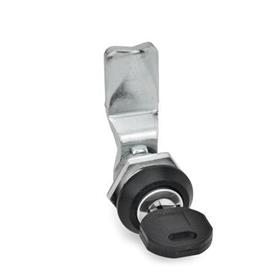
  • Rotation is limited to 90°: This ensures smooth, fast operation.
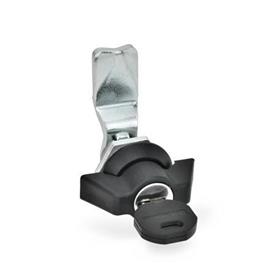
  • No clamping required: The mechanism is designed for latching, not for clamping, which simplifies installation and reduces wear.
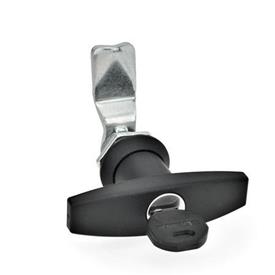
  • The latch is opened by turning it back to the starting position. The door is then immediately released.

Practical benefits for your application

In this way, you can easily and securely latch doors, hatches, and covers in machine and cabinet construction, especially on sides where there are no hinges or additional fasteners. This is ideal for industrial environments which call for durable, low-maintenance solutions. Thanks to the wide variety of designs – such as GN 115 (zinc die casting or stainless steel), GN 515 (with an extended housing), or hygienic versions like GN 1150 – you can flexibly adapt to different requirements, such as corrosion protection or hygiene.

Advantages of latches without a clamping function

  • Quick and easy latching – even with frequent access to system components
  • Compact design, versatile mounting options (front, side, snap-in, depending on the model)
  • Wide range of materials and operating mechanisms (operating element, socket key, lockable, hygienic design)
  • Ideal for control cabinets, machine enclosures, and housings in facilities where reliable latching is required

In industrial automation, for example, control cabinets can be quickly secured and reopened without tools when necessary, which reduces maintenance time and makes handling more convenient.

What applications are latches without a clamping function typically used for?

Latches without a clamping function, such as cam and rotary latches, are mainly used when doors, hatches, or covers need to be securely closed but not clamped in place. This is standard practice in many industrial settings.

Typical applications for latches without a clamping function

  • Control cabinets and enclosures in mechanical engineering
  • Control and distribution boxes in automation technology
  • Control panels, ticket machines, and service hatches
  • Assemblies and covers for the food, pharmaceutical, and hygiene industries: Stainless steel models, such as GN 1150, meet specific requirements for corrosion resistance and hygienic design, making them ideal for these sensitive areas.
  • Vehicle manufacturing, commercial vehicles, and rail:

Latches without a clamping function enable quick installation, minimal maintenance, and high process reliability – especially in applications where a simple, robust latching mechanism is a priority.

What are the advantages of latches without a clamping function in industrial applications?

Latches without a clamping function, such as the GN 115 and GN 515 series, provide robust and easy-to-use latching solutions for doors, hatches, or covers in industrial applications. The main advantage is that closing and latching is accomplished with a simple 90-degree turn. The latch tongue is guided behind the frame, ensuring immediate and secure latching – without any additional tensioning mechanism. Doors can be latched quickly, precisely, and with minimal effort in daily operations. This improves efficiency for frequent accessed doors and ensures smooth operations.

Advantages of latches without a clamping function

  • Easy, quick, and secure closing with a 90° turn of the operating mechanism
  • Chamfering on the latch tongue allows it to move into position more easily and ensures a tight closure
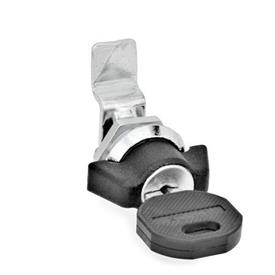
  • Robust construction ensures reliable performance even with frequent use
  • A variety of material options (zinc die casting, stainless steel, plastic) and operating mechanisms allow for a precise selection tailored to each application
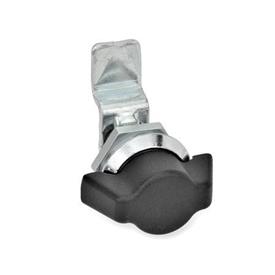
  • No risk of overloading due to the lack of a tensioning mechanism – ideal for industrial control cabinets, machine enclosures, or access panels
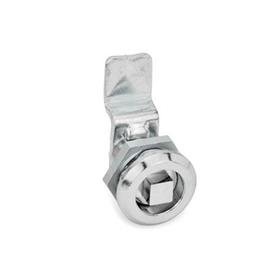
  • Also available with an extended housing (GN 515) or in a hygienic design (GN 1150) for special requirements – allowing you to adapt flexibly to specific operating conditions, such as hygiene or IP69k requirements

What versions of latches without a clamping function are available?

Latches without a clamping function are available in a wide variety of designs and sizes. So you’ll be sure to find the right solution for virtually any installation scenario in control cabinets, machines, and enclosures. The focus is on cam and rotary latches, gripping trays, and variants with levers. For special requirements, we offer versions with extended housings, compact miniatures, or solutions in hygienic design.

Types of latches without a clamping function

  • Standard latches (such as GN 115): With operating element, socket key, or lock; available in chrome-plated, black powder-coated, or stainless steel versions, and an optional security version (GN 115.9).
  • Latches in compact design (GN 115.1, GN 115.6): An exceptionally compact design, ideal for limited installation space or small doors and covers.
  • Latches with extended housings (GN 515): Available in zinc die casting as well as stainless steel for thicker door panels or unusual installation positions.
  • Latches in hygienic design (GN 1150): For high hygiene standards, such as in the food industry, with front hygiene or full hygiene.
  • Latches with special operating mechanisms: Lever (GN 623.1), U-handle (GN 115.7), gripping tray (GN 115.10, GN 731.2, GN 731.5), or star/wing knob (GN 217).
  • Plastic versions (GN 115.3) and snap-in mounting solutions (GN 115.5) for quick, tool-free installation.

Dimensions and adjustment range

  • Housing lengths and latch distances in various sizes, e.g., standard housing (4-50 mm) and extended housing (up to 92 mm) – this allows for flexible adjustment to accommodate different door panel thicknesses, even in double-walled doors.
  • Mounting diameter typically ranges from 16 mm (e.g., compact models) to 22 mm (standard/extended models). The latches are often installed using holes drilled in the door.
  • Compact variants (such as GN 115.1, GN 115.6) are especially well-suited for tight spaces.
  • Special hygienic design types (GN 1150) with tailored dimensions and optimized surfaces for hygiene-critical applications.

What does this mean in practice?

Thanks to the wide range of designs and sizes available, you can select latches without a clamping function that are perfectly suited to your application – whether you need ample installation space, thin or thick doors, high hygiene standards, or especially easy installation. This allows for easy adjustment during installation, ensuring that handling remains safe and reliable at all times. This is ideal for industrial cabinet construction, mechanical and plant engineering, or anywhere else where a robust and simple fastener without a clamping function is required.

What materials are available for latches without a clamping function?

At Ganter, latches without a clamping function are primarily made of zinc die casting, stainless steel, and plastic. The choice of material depends on the requirements for durability, corrosion resistance, and the specific installation conditions. This allows you to select the right product for industrial cabinet construction or similar applications and adapt flexibly to various environmental conditions.

Material options for latches without a clamping function

  • Zinc die casting: Zinc die casting is commonly used in products such as GN 115 or GN 515. It offers excellent dimensional stability and provides additional corrosion protection thanks to finishes such as chrome-plated or black powder-coated surfaces. This allows doors and covers in machine installations to be closed conveniently and reliably.
  • Stainless steel: Stainless steel (in some cases in A4 grade) is chosen for applications that require an especially high level of corrosion resistance. Typical products are GN 115 in stainless steel (grade 4) or GN 1150 in a hygienic design. This makes the material ideal for use in damp or hygiene-sensitive areas, such as in the food industry or outdoors.
  • Plastic: Plastic is used in lightweight and cost-sensitive applications, such as GN 115.3. Plastic latches are corrosion-resistant and allow for quick and efficient installation

What does this mean in practice?

By carefully selecting the material, the latch can be optimally adapted to the requirements of the specific application, such as hygiene regulations, high loads, or harsh environments. The wide range of materials ensures that you can always achieve secure and durable latching in switch and control boxes, machine enclosures, or control panels.

What are the differences between latches with and without a clamping function?

Latches without a clamping function, such as cam and rotary latches from the GN 115, GN 115.9, GN 515, or GN 1150 product families, secure doors and covers simply by turning the operating element. A 90° turn moves the latch tongue behind the frame, securely latching the side of the door that is not hinged. No additional pressure is applied – the door is simply closed without being forced against the frame. Chamfering on the latch tongue allows for smoother engagement when closing, ensuring comfortable and smooth operation.

Differences from the version with a clamping function

  • Chiusure con funzione di bloccaggio rotate farther to create contact pressure between the door and the frame.
  • This causes the latch to pull the door into its seat and also compensates for manufacturing tolerances and seals.
  • In latches without a clamping function, the latch tongue simply hooks into place mechanically. There is no pressing against the frame.
  • Latches with a clamping function are especially well suited for applications involving seals, where a tight and vibration-free fit are critical.
  • Latches without a clamping function are ideal when the latching function alone is sufficient without additional pressure – such as in industrial cabinet construction or covers.

What sizes and dimensions are available for latches without a clamping function?

Various standard sizes and dimensions are available for latches without a clamping function from the Ganter product range. The most important selection criteria here are the diameter of the door opening, the length of the housing for different door thicknesses, and the dimensions of the latch tongue. This allows you to select the right latch based on the installation conditions, available space, and the door material and thickness.

Available sizes for latches without a clamping function

  • Hole diameter (mounting hole): Standard sizes are typically 16 mm, 20 mm, and 22 mm. Models such as GN 115, GN 115.1, and GN 115.6 are usually available in these sizes. The exact size depends on the product type selected and determines compatibility with the door or housing.
  • Housing length: Ganter offers several standard lengths for different door thicknesses, such as 18 mm, 24 mm, or 32 mm. The length of the housing is selected to match the thickness of the material in order to ensure a secure hold and proper latch arm travel.
  • Latch tongue (length and height): The latch tongue is available in various lengths – typically 30 mm, 35 mm, 40 mm, and 45 mm – as well as in straight or curved versions. Different overhangs and bends allow for flexible compensation for tolerances or frame clearances.
  • Designs and variants: In addition to the standard sizes, there are compact versions (e.g., GN 115.1, GN 115.6), models with extended brackets (GN 515), security or hygienic design versions, as well as models with special protection ratings (such as IP 69k for GN 115 in stainless steel with a socket key).

On each product page, you will find detailed size charts and selection diagrams to help you choose the standard sizes that best meet your needs.

Are latches without a clamping function available as custom-made products?

Latches without a clamping function – such as GN 115, GN 515, GN 1150, GN 217, or GN 623.1 – are generally available in many standard versions for various applications. Ganter also offers the option of supplying these products as custom-made items to meet specific requirements.

Customization options for latches without a clamping function

  • Custom dimensions for the latch tongue, housing length, or closing width can be implemented according to customer specifications.
  • Special locking systems, such as those with a custom key profile, can be developed.
  • Color schemes, surface treatments, or specific material requirements (e.g., special grades of stainless steel) can be taken into account.
  • Modifications to operating elements (such as the type of handle or socket key receiver) can be made.

How to request a special design

For a custom solution, please send your specific requirements or drawings directly to Ganter. This can be done using the contact form on the website or in person through the technical sales department. You will receive a prompt response regarding technical feasibility, sample production, and delivery time.

What are the benefits of custom latches without a clamping function?

With custom-made solutions from Ganter, you can tailor latches without a clamping function to perfectly suit your specific installation requirements or design specifications. Individual requirements for safety and hygiene (e.g., GN 1150 hygienic design) or extended housing (e.g., GN 515) can be customized to suit your application. This gives you maximum flexibility and ensures you receive a solution tailored precisely to your product. Ideal for custom cabinetry, machine enclosures, or specialized installation spaces.

This means you can count on Ganter’s proven quality and service even when dealing with specific technical or design requirements.

Il tuo referente

Cerchi un rappresentante Ganter vicino a te? Seleziona il paese desiderato.

Telefono del centro di assistenza

Il nostro team di assistenza è disponibile dal lunedì al venerdì dalle 07:30 alle 17:00 al numero:

Richiedi contatto telefonico