Medium Duty Casters

What are medium duty casters in machine construction?

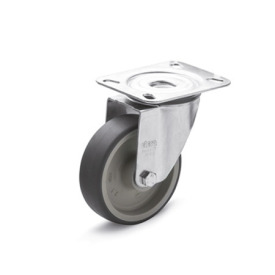
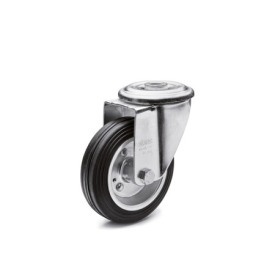
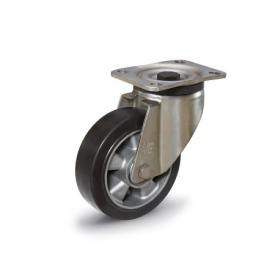
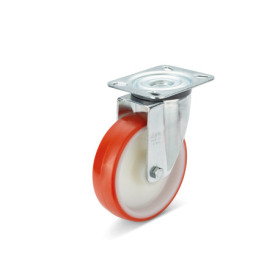
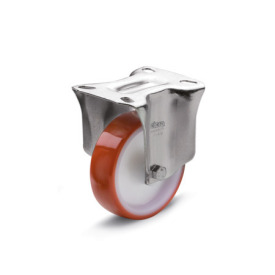
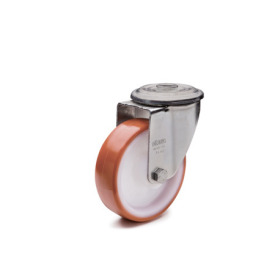
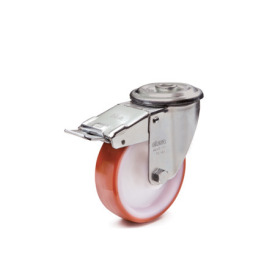
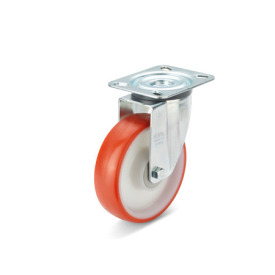
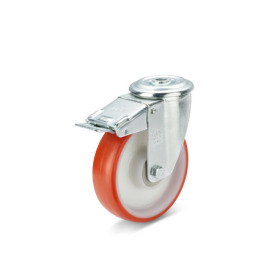
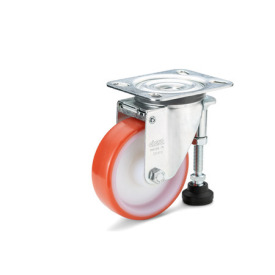
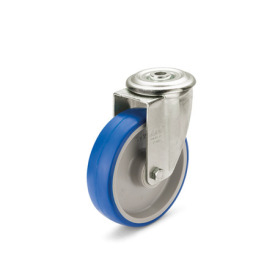
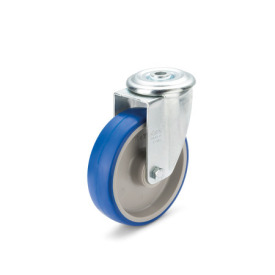
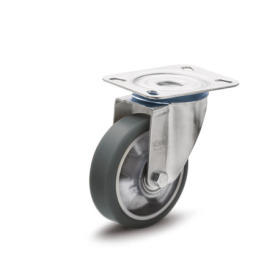
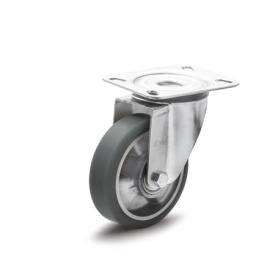
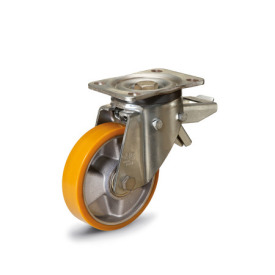
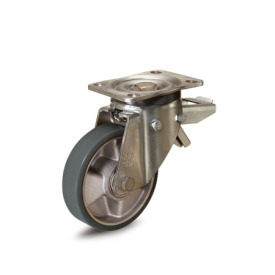
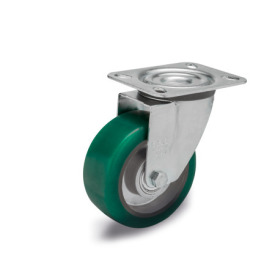
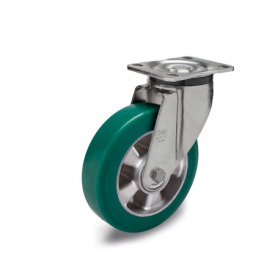
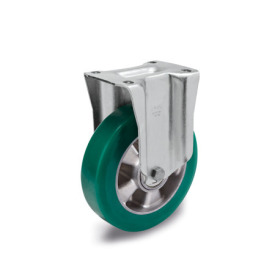
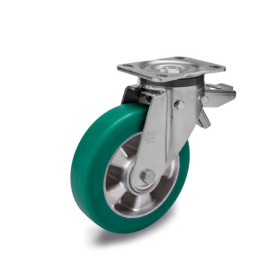
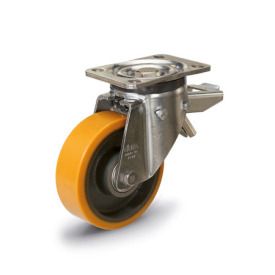
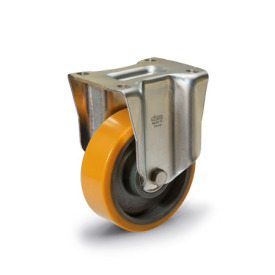
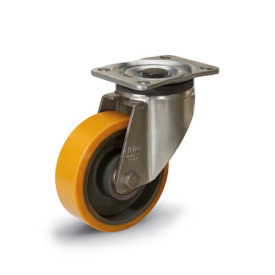
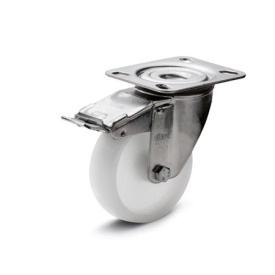
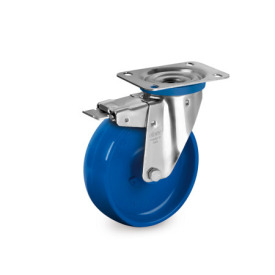
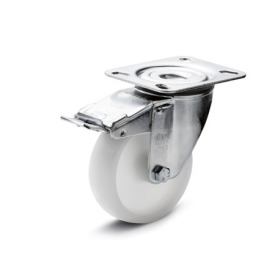
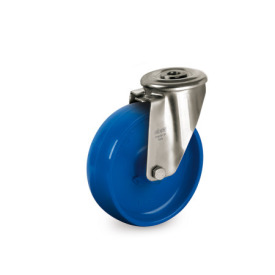
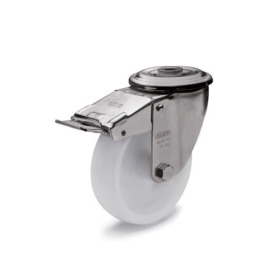
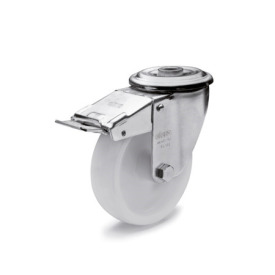
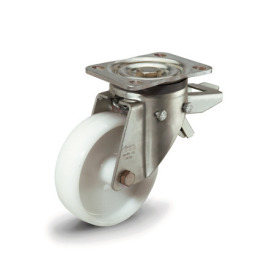
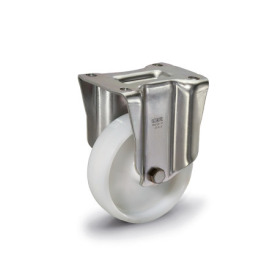
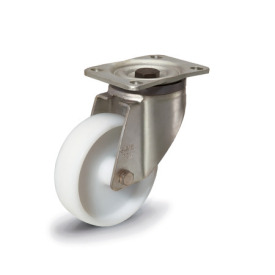
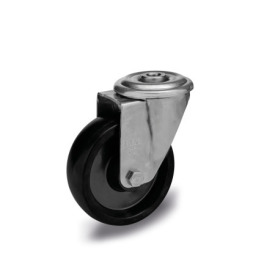
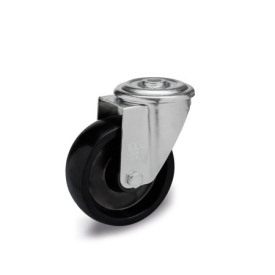
Medium duty casters are special caster or wheel constructions that are installed on machines, conveyor systems or transport carts to efficiently move workpieces, parts or machine components.
They are frequently made of robust materials such as polyamide, polyurethane or steel to withstand the high loads in industrial applications.

Which types of medium duty caster are there?

Various caster types are used in machine construction, including:

What advantages do high-quality medium duty casters offer?

What should be considered when choosing medium duty casters?

Important selection criteria are:
Which materials are preferred in machine construction?

The following are particularly suited for machine construction:

How long do medium duty casters last in industrial use?
The service life depends on the material quality, frequency of use and maintenance. High-quality casters often last for many years, even under daily, multi-shift use.

How should medium duty casters be maintained?

FAQ - Frequently Asked Questions

Filter products
New Products
Load capacity in N (from - to) Load capacity in N
Operating temperature (from - to) Operating temperature
Specification
Wheel tread material
Wheel core material
Bracket material
Bearing type
Mounting type
Wheel Ø (from - to) Wheel Ø
Suitable floor type
Product Family

Nothing found? Special requests

FAQ - Frequently Asked Questions

Which applications are medium duty casters especially well suited for?

Medium duty casters are especially well suited for flexible use in industrial applications where heavy or sensitive workpieces, machine components, or transport trolleys need to be moved safely and efficiently. Thanks to the various designs and materials available for the medium duty casters – such as rubber, polyurethane, or polyamide – you can select the optimal solution for the respective surface, the desired smoothness of movement, and specific wear protection requirements. This allows assembly or production workstations to be ergonomically adjusted, internal logistics processes to be accelerated, or machines to be flexibly positioned during maintenance work.

Typical areas of application for medium duty casters

  • Machine construction: For fast relocation and precise positioning of machines or plant modules.
  • Conveyor technology and intralogistics systems: For transport trolleys, conveyor platforms, or mobile workstations – ideal when reliable steering and smooth running are required.
  • Workshop and assembly workstations: For mobile workbenches, tool trolleys, and equipment trolleys that need to be moved around flexibly.
  • Packaging and warehouse logistics: When moving pallets, containers, or shelving systems on different floor coverings, such as concrete, industrial flooring, or tiles.
  • Automation technology: For modular setups where machine components often need to be transported to different locations.
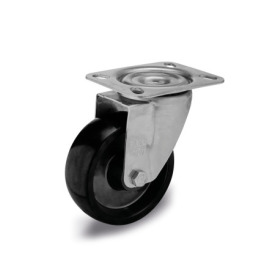
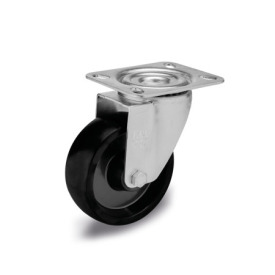
  • Temperature-critical applications: Special phenolic resin medium duty casters (such as GN 22894) enable use in areas with higher ambient temperatures, such as in ovens or drying systems.

Practical tip: Selecting the right medium duty caster

The product family of medium duty casters allows for specific adaptation to load, floor conditions, required smooth running, and hygienic requirements:

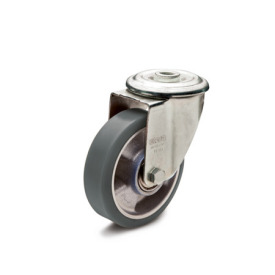
  • Models with rubber wheel treads (such as GN 22872, GN 22873) provide protection and smooth rolling on sensitive floors.
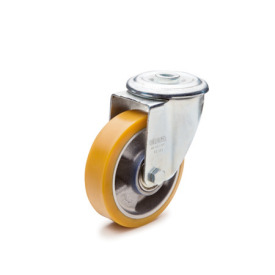
  • Polyurethane wheel treads (such as GN 22882, GN 22885, GN 22886) ensure particularly low rolling resistance, improved chemical resistance, and a long service life, even if frequently moved.
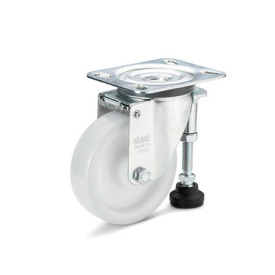
  • **Leveling feet ** (as with GN 22882 and GN 22892) ensure low-vibration stability – helpful for sensitive assembly processes or uneven floors.
  • Aluminum or cast iron wheel cores (such as GN 22875, GN 22887) are ideal for medium to heavy loads and continuous use in harsh environments.

What variants of medium duty casters are available?

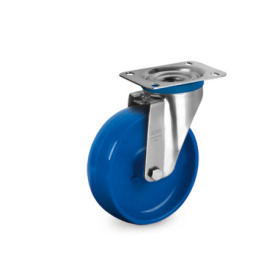
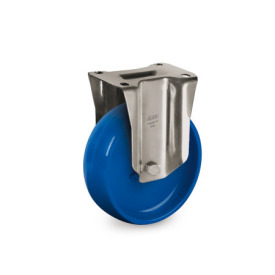
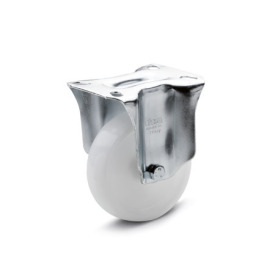
Various medium duty caster models are available, allowing you to equip machines, conveyor systems, and transport trolleys according to your specific requirements. Medium duty casters are generally divided into two main types:

Swivel casters and fixed casters – key distinction for medium duty casters

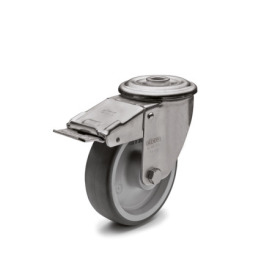
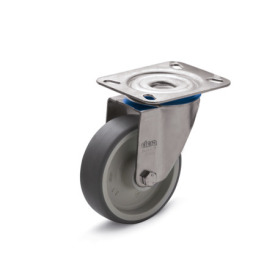
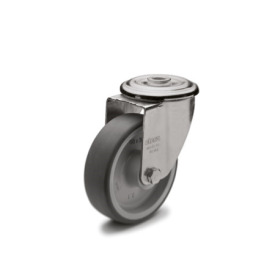
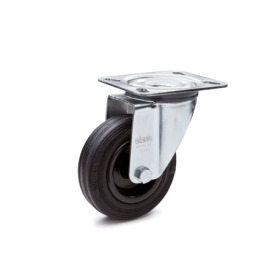
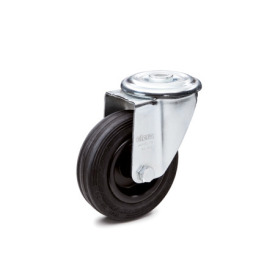
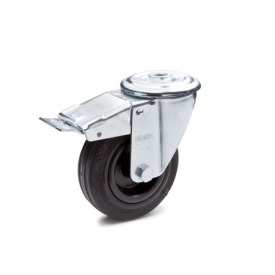
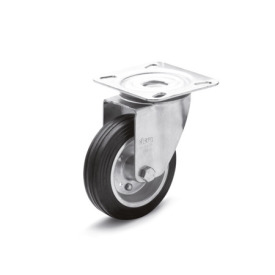
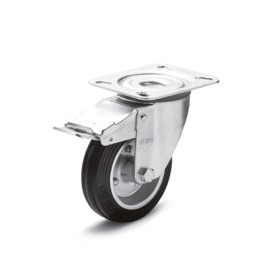
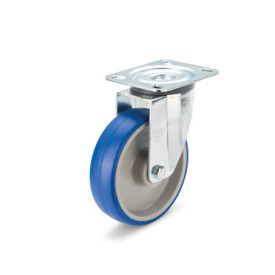
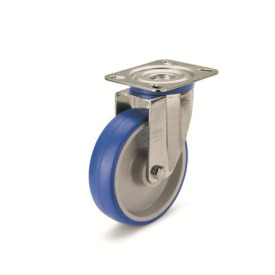
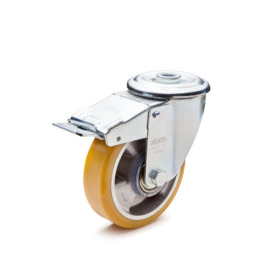
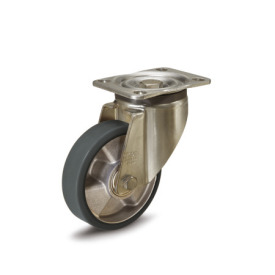
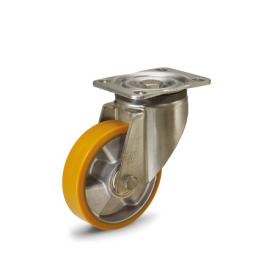
  • Swivel casters have a rotating fork bracket. This allows machines and carts to be conveniently steered in all directions and maneuvered flexibly – ideal for confined spaces or frequently changing directions of travel.
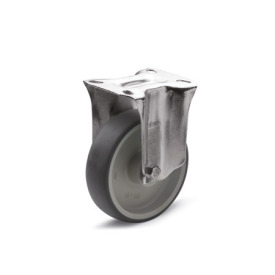
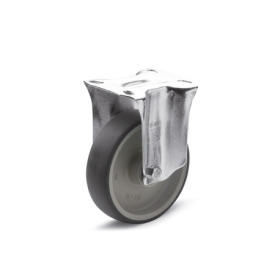
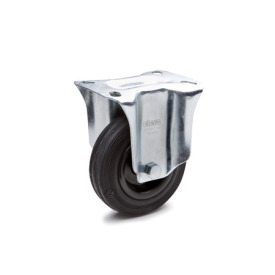
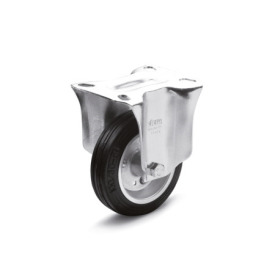
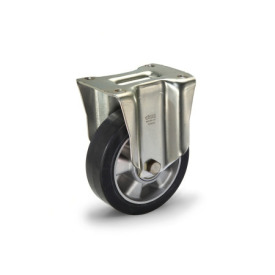
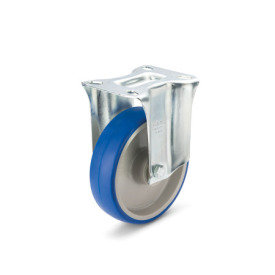
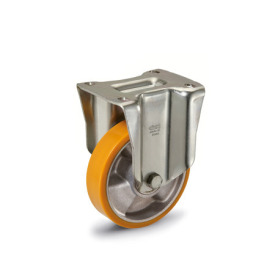
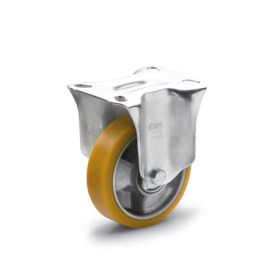
  • Fixed casters have fixed axles. They enable linear movement, which facilitates safe straight-line travel and controlled guidance of machines or work vehicles.

Additional options for greater safety and comfort

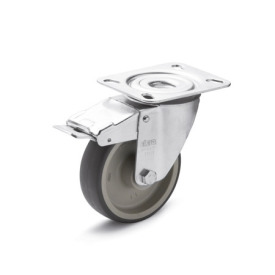
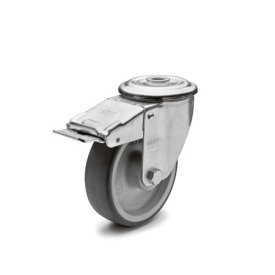
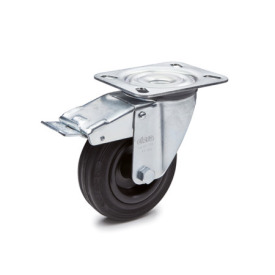
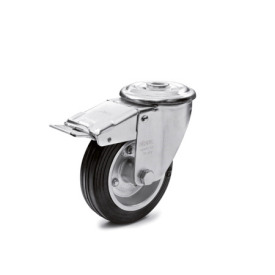
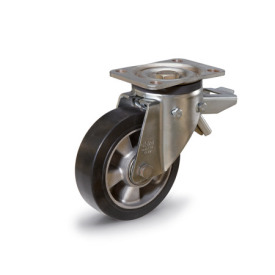
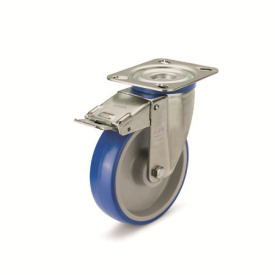
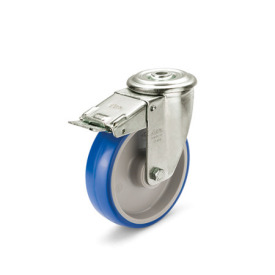
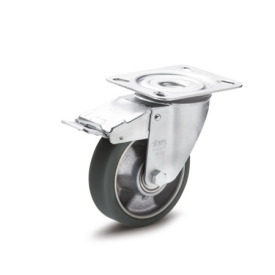
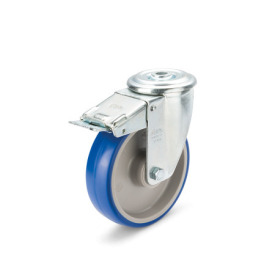
  • Many swivel casters are available with total lock brakes. This feature reliably prevents unintentional rolling away. This allows you to secure transport trolleys right where you need them – which is especially helpful when loading or unloading.
  • Application-specific chassis can be created by combining fixed casters and swivel casters.

Practical product examples from the Ganter portfolio

  • GN 22873: Swivel caster, rubber wheel tread, polypropylene wheel core, light version – for flexible movement and easy handling.
  • GN 22874: Fixed caster, rubber wheel tread, sheet steel wheel core – stable straight-line running along fixed paths.
  • GN 22882: Swivel caster with swivel base, polyurethane wheel tread, polyamide wheel core – provides compensation for uneven floors.
  • GN 22892: Swivel and fixed casters, polyamide, light or medium version – for a wide range of applications and loads.
  • GN 22894: Phenolic resin casters for high temperatures – ideal for plants with high thermal loads.

What does this mean in practice?

Thanks to the wide selection of swivel casters, fixed casters, and special variants, transport systems can be individually adapted to the respective location of use. The right choice ensures user-friendly, durable, and safe transport solutions for everyday industrial application.

What materials are available for the wheel tread and wheel core of medium duty casters?

Ganter offers a selection of different materials for the wheel tread and wheel core of medium duty casters. The choice of material influences handling, resistance to environmental influences, and suitability for different floor conditions. This allows you to tailor medium duty casters specifically to your application and ensure the smooth, safe operation of your machines or transport trolleys.

Materials for the wheel tread of medium duty casters

  • Rubber: Ensures good traction, quiet running, and protects sensitive floors. Recommended for smooth steering and quiet running.
  • Polyurethane: Offers very low rolling resistance, high abrasion resistance, and is chemically resistant. Ideal for continuous use, sensitive surfaces, or high wear protection requirements.
  • Polyamide: Solid, hard plastic with high resistance to many chemicals and moisture. Suitable for smooth, hard floors and applications where low rolling resistance is a priority.
  • Phenolic resin: Heat-resistant solution, especially for high-temperature environments.

This gives you the ability to optimize rolling resistance, noise levels, and suitability for different surfaces.

Materials for the wheel core of medium duty casters

  • Polypropylene: Inexpensive, lightweight, corrosion-resistant, and sufficient for many standard applications.
  • Polyamide: Very stable, low wear, and moisture resistant. Supports high resilience and durability.
  • Sheet steel: Robust design for heightened mechanical requirements; provides additional protection in harsh environments.
  • Aluminum: Combines low weight with high strength, suitable for medium loads and flexible handling.
  • Cast iron: Very stable and durable, ideal for medium to heavy-duty applications in harsh conditions.

This allows you to match medium duty casters to different load capacities, weight restrictions, and environmental conditions.

How important is the condition of the floor when selecting medium duty casters?

The floor conditions are crucial when selecting medium duty casters, as they have a significant influence on which types of casters will be stable, safe, and run smoothly. Depending on the type of floor – whether smooth, rough, uneven, or sensitive – the optimal caster type varies in terms of the wheel tread and wheel core as well as the design required. This ensures that your transport trolleys or machines can be moved without unnecessary effort, surfaces are protected, and handling is smooth.

Importance of floor conditions for medium duty casters

  • Hard, smooth floors (e.g., industrial concrete, tiles) are ideal for casters with polyamide or polyurethane wheel treads, such as GN 22882, GN 22884 or GN 22892. These casters offer low rolling resistance and protect the floor. This allows transport equipment to be moved comfortably and precisely.
  • Sensitive or soft floors (e.g. plastic flooring, wood, epoxy resin) require softer rubber wheel treads, such as those found on GN 22872, GN 22873, GN 22874 or GN 22875. This prevents pressure marks and imprints – ideal when surface protection is a priority.
  • Uneven, rough, or dirty floors require heavy-duty, shock-absorbing casters, usually with rubber or polyurethane coating such as GN 22875 or GN 22887. This keeps the chassis and load well protected, minimizes vibrations, and ensures safe handling.
  • For high-temperature applications, such as in ovens or drying systems, special casters like GN 22894 made of phenolic resin are recommended to ensure material resistance and durability.
  • Do not use hard polyamide casters (e.g. GN 22892) if floors are sensitive and susceptible to impact – this can cause damage.
  • If the floor types change frequently in the area the casters roll over, we recommend using polyurethane-coated medium duty casters such as GN 22886 or GN 22885. These offer a good balance between robust running and protecting the floor.
  • Check the casters regularly for dirt and wear, especially on rough surfaces. This can significantly extend the service life of the casters and ensure safe movement.

What sets medium duty casters apart from light duty casters or furniture casters?

Medium duty casters differ from light duty casters and furniture casters primarily in their robust construction as they are specially designed for long-term use on machines, conveyor systems, or transport trolleys. They are designed for higher loads and enable the safe and efficient movement of heavier workpieces and machine components. Typical variants such as GN 22875 or GN 22887 offer maximum operational reliability and a long service life thanks to their sturdy aluminum or cast iron wheel cores and durable rubber or polyurethane wheel treads.

Typical characteristics of medium duty casters

  • High load capacity for use in industrial environments
  • Robust materials such as sheet steel, polyamide, cast iron, or aluminum
  • Wear-resistant rubber or polyurethane wheel treads, e.g. with GN 22882 or GN 22886
  • Various designs – available as a steerable, fixed version or with a total lock brake for stability
  • Suitable fastening systems for machines and heavy equipment
  • Resistant to mechanical stress in continuous operation

Difference between light duty casters and furniture casters

Light duty casters are usually designed for medium loads and are often used on mobile devices, laboratory carts, or smaller factory equipment. Furniture casters are particularly suitable for moving furniture and light equipment indoors. Both types often rely on lighter materials, smaller diameters, and simple mounting methods. The service life and wear resistance of light duty casters and furniture casters are lower than those of medium duty casters.

Ganter recommends regular cleaning, lubrication, and wear checks for maximum operational reliability. This ensures that medium duty casters function reliably and that your investment remains protected in the long term.

How do locking brakes on medium duty casters work and when are they useful?

Locking brakes on medium duty casters prevent machines, transport trolleys, or conveyor systems from rolling away unintentionally. They work by applying a braking mechanism to the wheel or directly to the tread. This blocks the movement of the caster and the connected transport goods remain securely in position. For caster models from the Ganter product line, such as GN 22882 (polyurethane, polyamide, light version) or GN 22873 (rubber, polypropylene, light version), the brakes can be intuitively engaged or released by foot. This offers an immediate and reliable locking device directly at the point of use.

Advantages and areas of application for locking brakes

  • Secure positioning even on sloping floors or during load changes
  • Simple, tool-free operation for quick temporary fixing
  • Protection from accidental rolling away during loading and unloading
  • Easy accessibility – the brake is located directly on the caster

When are medium duty casters with locking brakes useful?

Locking brakes are ideal when you need to securely position flexible and mobile equipment. This applies in particular to machine housings, assembly trolleys, or workpiece carriers where secure positioning is required temporarily – for example, when working on the machine or during precise positioning in production lines.

What should users pay attention to during use?

  • Choose casters with total lock brakes that grip well on your floor profile (such as rubber or polyurethane wheel treads on smooth floors).
  • Regular cleaning of the brake mechanism maintains the function and service life of the locking caster.
  • Ensure that at least two of the four casters are lockable to achieve maximum stability.

This allows you to steer your transport solutions safely, flexibly, and ergonomically – and makes everyday life in production or the workshop much more comfortable.

Are there any special medium duty casters for use in damp or aggressive environments?

Medium duty casters made of low-corrosion materials and featuring durable wheel treads are suitable for use in damp or aggressive environments. Ganter’s “medium duty caster” product family includes specially designed medium duty casters that meet a wide range of environmental requirements thanks to their material selection and design.

Corrosion-protected medium duty casters

  • Series such as GN 22885 (polyurethane wheel tread, aluminum wheel core, light or medium version) and GN 22886 (polyurethane/aluminum) are especially suitable when increased moisture or more frequent cleaning cycles are expected. Aluminum and polyurethane are resistant to many aqueous media.
  • GN 22892 (made of polyamide, also available in a medium version) offers a robust, non-rusting, and durable solution wherever corrosion from moisture or chemicals is an issue.
  • GN 22894 (phenolic resin, light version, temperature-resistant) stands for maximum resistance to aggressive chemicals and withstands frequent cleaning cycles. These casters are especially well suited for plants in which aggressive media or high temperatures occur in addition to moisture.

Practical benefits

The special material combination of the medium duty casters prevents corrosion problems during continuous use. This ensures that casters and wheel treads remain durable and low-maintenance even under challenging environmental conditions. For you, this means: Less unplanned downtime, increased safety, and reduced maintenance costs.

At a glance: Advantages in humid/aggressive environments

  • Resistant to moisture, many chemicals, and cleaning agents thanks to the use of aluminum, polyamide, or phenolic resin.
  • Minimized risk of corrosion on wheel cores and bearings thanks to carefully considered selection of materials.
  • Less frequent maintenance and reliable functioning in continuous use.
  • Ideal for use in wet areas, the food processing industry, laboratories, and outdoor facilities.

Your contact

You are looking for a Ganter partner near you?

Ganter-Service

Our service team is available from Monday to Friday between 7:30 AM and 5:00 PM:

Request Callback